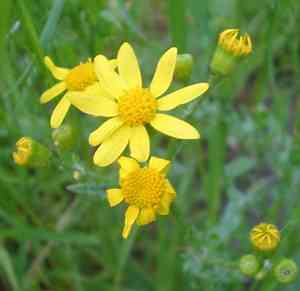
Lambstongue ragwort (Senecio integerrimus)
Also known as: Western Groundsel, Columbia ragwort, White western groundsdel
Senecio integerrimus, also known as lambstongue ragwort, has been referred to by names such as wet-the-bed and western groundsel. The term "gauge plant" was used by early settlers who relied on its blooming as an indicator that the land was ready for grazing. When this plant was in flower, it signaled to farmers that the terrain had reached a stage where it could adequately nourish cattle.
In This Article
Attributes of Lambstongue ragwort
Lifespan
Perennial, Biennial
Plant Type
Herb
Plant Height
20 cm to 70 cm
Spread
30 cm to 80 cm
Leaf Color
Green
Flower Size
1.3 cm to 2.5 cm
Flower Color
Yellow
Images of Lambstongue ragwort
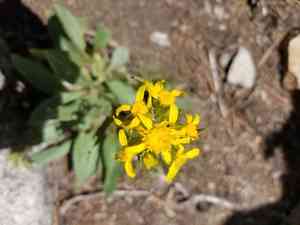
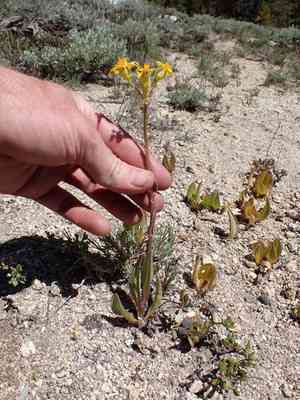
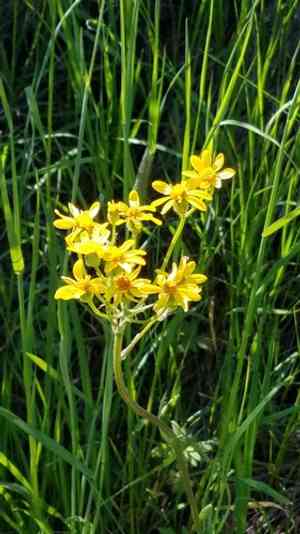
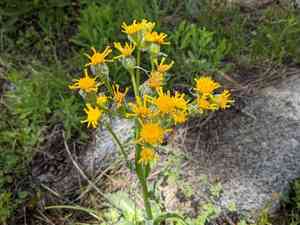
Quickly Identify Lambstongue ragwort
1
This plant can be identified by its tall, erect stems which can range from 30 to 80 cm in height. The leaves are lance-shaped with entire margins, and the plant produces yellow, daisy-like flowers in clusters.
Scientific Classification of Lambstongue ragwort
Phylum
Vascular plants
Class
Dicotyledons
Order
Asterales
Family
Daisy
Genus
Ragworts
Species
Lambstongue ragwort
Planting and Growing of Lambstongue ragwort
Care Difficulty
Easy
Watering Schedule
Every 2 days
Sunlight Requirements
Full sun
Sunshine Duration
6-10 hours
Ideal Temperature
60-75℉
Soil Type
Potting Mix, Peat Mix
Soil pH
6.5-7.5
Fertilizer Type
Balanced
Pruning Season
Spring, Summer
Pruning Area
Branches, Leaves
Pruning Frequency
2 times a year
Repotting Season
Spring
Pot Type
Plastic, Ceramic
 How to Water Lambstongue ragwort?
Senecio integerrimus prefers moderate watering. Ensure that each watering session provides approximately 250 milliliters of water, allowing the soil to become evenly moist without being waterlogged. The key principle is to water thoroughly when the top inch of the soil is dry.
What are the symptoms of an underwatered Lambstongue ragwort?
›
What should I do if my Lambstongue ragwort is not getting enough water?
›
What are the symptoms of an overwatered Lambstongue ragwort?
›
How to save an overwatered Lambstongue ragwort?
›
 What Are the Sunlight Requirements for Lambstongue ragwort?
Senecio integerrimus thrives in full sun, about 6 to 8 hours daily. Ideal sunlight fosters robust growth and intensifies the plant's natural colors, enhancing both its aesthetic qualities and overall health.
More About Sunlight Requirements Techniques→
What type of lighting does Senecio integerrimus need?
›
How can you ensure ideal lighting for Senecio integerrimus?
›
What are the benefits of ideal sunlight for Senecio integerrimus?
›
 What Is the Ideal Temperature Range for Lambstongue ragwort?
The ideal temperature range for Senecio integerrimus is between 60°F and 75°F. This range provides the optimal conditions for growth, allowing the plant to efficiently photosynthesize and maintain its metabolic processes. Staying within this temperature bracket helps ensure robust growth and healthy foliage.
 What Soil is Best for Lambstongue ragwort?
Senecio integerrimus thrives in well-drained soil which prevents root rot and diseases. This characteristic is essential, as it helps ensure that excess moisture doesn't suffocate the roots, allowing for a healthier, more vigorous plant growth. The plant prefers soil with moderate nutrient content to grow robustly. Excessive nutrients can lead to overly lush foliage with minimal flowers, while too little can stunt its growth. Balanced nutrition facilitates optimal blooming and health. Adequate soil aeration is crucial for oxygen to reach the roots. Well-aerated soil ensures that the roots can breathe and absorb nutrients efficiently, promoting a strong and healthy root system that anchors the plant securely.
 How to Fertilize Lambstongue ragwort?
For Senecio integerrimus, use a balanced liquid fertilizer diluted to half strength. In general, apply about 1/4 to 1/2 cup per application, ensuring the soil is adequately moist before and after fertilization.
 How to Prune Lambstongue ragwort?
Begin by sterilizing your pruning shears to prevent disease spread. Identify dead or damaged stems and snip these back to the base. Focus on shaping the plant by trimming overgrown parts, making cuts just above a healthy node. This encourages new, lush growth. Pay attention to maintaining a balanced shape to support a symmetrical and aesthetically pleasing appearance. In late spring or early summer, cut back leggy growth to reinvigorate the plant. This technique stimulates new, vigorous growth by directing energy towards the emergence of fresh shoots. Rejuvenation pruning is key to keeping your Senecio integerrimus healthy and floriferous.
More About Pruning Techniques→
 How to Propagate Lambstongue ragwort plant?
1
Collect seeds from mature Senecio integerrimus plants in late summer or early autumn. It is important to wait until the seeds are fully mature and dry on the plant to ensure viability for propagation.
2
Select healthy stems from the parent plant for cuttings. Use sharp pruners to make a clean cut, preferably just below a node. Remove any leaves from the lower part of the cutting to prevent rot when planting.
3
For seeds, plant in trays with appropriate seed starting mix, lightly covering with a layer of soil. For cuttings, dip the cut end in rooting hormone before inserting into a well-draining potting mix. Ensure both methods have consistent moisture and are kept in a warm location.
 How to Repot Lambstongue ragwort plant?
1
Repot your Senecio integerrimus when you notice roots coming out of the drainage holes or if the plant appears top-heavy. A decline in growth or yellowing leaves can also indicate a need to repot. Spring and Autumn, when the plant is not under severe stress from heat or cold, are ideal times.
2
Select a pot that is one size larger than the current one to provide adequate room for root growth. A pot with drainage holes will prevent waterlogging, which can lead to root rot. Use a terracotta pot for better moisture evaporation, helping the soil dry out quickly and promoting plant health.
3
Choose a well-draining, sandy soil mix to mimic the plant's natural habitat. This soil composition prevents excess moisture retention, reducing the risk of root rot and allowing for adequate air circulation around the roots, essential for the health of Senecio integerrimus.
Toxicity
Ingestion, and possibly dermal contact
WARNING
The judgment on toxicity and danger is for reference only. We DO NOT GUARANTEE any accuracy of such judgment. Therefore, you SHALL NOT rely on such judgment. It is IMPORTANT TO SEEK PROFESSIONAL ADVICE in advance when necessary.
Learn More About Lambstongue ragwort Diseases
Anthracnose
Bacterial Leaf Spot
Bacterial Soft Rot
Bacterial Wilt
Black Spot
Chemical Injury
Crown Gall
Cyst Nematode
Damping-off
Downy Mildew
Drought Stress
Fusarium Wilt
Gray Mold
Leaf Curl
Leaf Spot
Mosaic
Nutrient Deficiency
Nutrient Toxicity
Powdery Mildew
Root Rot
Root-knot Nematode
Rusts
Sooty Mold
Spider Mites
Temperature Stress
Thrips Damage
White Mold



