How to Transplant Thickleaf ragwort?
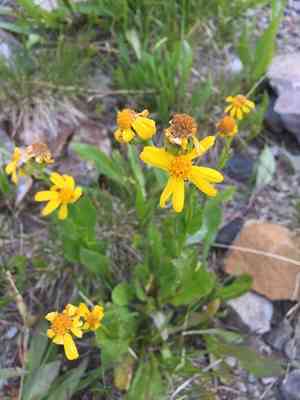
Thickleaf ragwort flourishes when relocated in the temperate period from late spring to early summer. Select a location offering ample sunlight and efficient drainage. Allowing the plant to adjust in these advantageous surroundings is crucial for its successful integration.
What Preparations are Needed Before Relocating Thickleaf Ragwort?
What is the Optimal Period for Relocating Thickleaf Ragwort?
The best times for relocating thickleaf ragwort are during mid to late spring or early summer. During these periods, the climate is milder, reducing stress on the perennial. Moving thickleaf ragwort at this time allows its root system to establish before the hotter summer months or the arrival of winter, promoting robust growth and improved survival rates.
What is the Recommended Spacing Between Thickleaf Ragwort Plants?
Position your thickleaf ragwort plants approximately 12-18 inches (30-45 cm) apart to provide sufficient room for development without crowding. This spacing promotes good air circulation and healthier plants.
What is the Best Soil Mixture for Thickleaf Ragwort Relocation?
Prepare well-draining soil enriched with compost or organic material. Thickleaf ragwort thrives in slightly acidic to neutral soil (pH 6.0-7.0). Incorporating a balanced slow-release fertilizer can aid in supporting growth.
Where Should You Replant Your Thickleaf Ragwort?
Thickleaf ragwort prefers full sun! Select a garden spot that receives at least 6-8 hours of direct sunlight daily. This will ensure your plant has the necessary energy to thrive.
What Tools Should You Prepare Before Relocating Thickleaf Ragwort?
Gardening Gloves
To safeguard your hands while handling soil and the plant.
Shovel or Spade
For excavating around the plant and preparing the new planting site.
Watering Can or Hose
To hydrate the plant before and after relocation.
Pruning Shears
To trim any damaged roots or foliage.
Mulch
To help retain soil moisture once thickleaf ragwort is replanted.
How Do You Extract Thickleaf Ragwort from the Soil?
How Do You Extract Thickleaf Ragwort from the Soil?
From Ground: First, water the thickleaf ragwort plant to moisten the soil. Then, dig a wide trench around the plant using a shovel or spade, ensuring the plant's root ball remains intact. Carefully work the spade beneath the root ball to lift the plant from its original spot.From Pot: Water the thickleaf ragwort plant thoroughly to loosen the soil. Gently invert the pot while supporting the plant's base and tap the pot to release the root ball. If the plant is stuck, you can run a spade around the pot's edge to loosen it.From Seedling Tray: Water the seedling tray to facilitate plant removal. Gently push up from the bottom of the tray cell to release the seedling with its root ball intact. Handle seedlings by their leaves to avoid harming the delicate stems.
Step-by-Step Guide for Relocating Thickleaf Ragwort
Site Preparation
Dig a hole in the new location that is twice as wide and equally deep as the root ball of your thickleaf ragwort. This provides ample room for root expansion.
Plant Removal
Carefully extract the thickleaf ragwort plant from its original spot as described in the removal process section to keep the root ball intact.
Placing the Plant
Position the thickleaf ragwort plant in the center of the hole, ensuring it sits at the same depth as it was in its previous location. Backfill the hole with soil, gently tamping it down around the roots to eliminate air pockets.
Watering
Thoroughly water the newly relocated thickleaf ragwort to help settle the soil and establish the roots. Continue to water as needed to keep the soil moist.
Mulching
Apply a layer of mulch around the base of thickleaf ragwort to retain moisture and regulate soil temperature. Keep the mulch a few inches away from the plant stem to prevent rotting.
How Do You Care For Thickleaf Ragwort After Relocation?
Watering
Keep the soil around the thickleaf ragwort consistently moist, but not waterlogged, for the initial few weeks after relocation to help establish strong roots.
Observing
Monitor the plant for any indications of transplant shock, such as wilting or yellowing leaves. Adjust watering and allow the plant time to recover.
Pruning
Remove any damaged or dead foliage to direct the plantâs energy towards healthy growth.
Mulching
Regularly inspect the mulch layer to ensure it remains effective in retaining moisture and suppressing weeds.
Protection
If necessary, provide support stakes or a protective barrier to shield the newly relocated thickleaf ragwort from strong winds or harsh weather conditions.
Troubleshooting Common Issues with Thickleaf Ragwort Relocation.
What's the best time of year to relocate thickleaf ragwort?
The optimal time to relocate thickleaf ragwort is from mid-spring to early summer.
How much space do I need between thickleaf ragwort plants?
Each thickleaf ragwort plant should be spaced 12-18 inches (30-45 cm) apart.
How to prepare the soil before relocating thickleaf ragwort?
Enrich soil with organic matter and ensure good drainage for healthy thickleaf ragwort growth.
How deep should I plant thickleaf ragwort seedlings?
Plant thickleaf ragwort seedlings at the same depth they were in their original containers.
What if thickleaf ragwort leaves start wilting after relocating?
Ensure adequate watering, but avoid waterlogging the soil to prevent wilting in thickleaf ragwort.
How to avoid transplant shock in thickleaf ragwort?
Harden off thickleaf ragwort plants gradually before relocating to help them adjust to new conditions.
Is mulching beneficial for relocated thickleaf ragwort plants?
Yes, mulching helps retain moisture and protect thickleaf ragwort roots, enhancing growth.
What to do if thickleaf ragwort plants grow too leggy?
Ensure thickleaf ragwort plants receive adequate sunlight and trim back if necessary for compact growth.
How often should I water thickleaf ragwort after relocating?
Water thickleaf ragwort thoroughly after relocating and then keep the soil consistently moist, but not soggy.
What's the ideal soil pH for thickleaf ragwort growth?
Thickleaf ragwort prefers slightly acidic to neutral soil with a pH range of 6.0-7.0.



