How to Propagate Thickleaf ragwort?
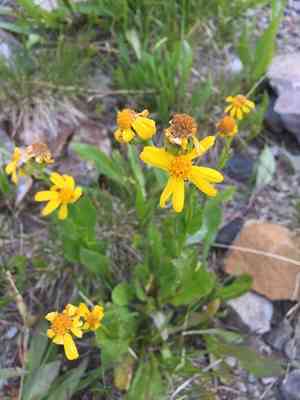
Thickleaf ragwort, a succulent, is recognized for its robust, fleshy foliage. It flourishes in soil that drains effectively and needs infrequent irrigation once rooted. For propagation, disperse seeds into a blend of sand and compost, applying a light covering. Maintain consistent moisture in the substrate until sprouting occurs. Place the seeds in an area with ample, diffused light to encourage peak development.
Optimal Period for Thickleaf Ragwort Propagation
Propagation Method
Seeding
Propagation Period
Spring
Tools Required for Thickleaf Ragwort Propagation
Seed Trays
Utilized for planting thickleaf ragwort seeds, offering a controlled setting for sprouting. These trays help maintain ideal soil moisture and temperature.
Potting Mix
A specialized blend that ensures proper drainage and air circulation, vital for the seed development of thickleaf ragwort. A mix formulated for succulents is especially beneficial.
Misting Bottle
Crucial for keeping the soil damp without over-saturating it. Employ a fine spray to prevent soil compaction and ensure appropriate moisture levels for thickleaf ragwort seedlings.
Heat Mat
Maintains a consistent soil temperature, which is essential for the germination of thickleaf ragwort. This is particularly useful in colder climates or seasons.
Grow Lights
Supply sufficient illumination to seedlings if natural light is inadequate. Ensuring proper light exposure is critical for the healthy development of thickleaf ragwort seedlings.
Propagation Dome
Helps maintain humidity levels while safeguarding seedlings from environmental stress. This is important in the initial stages of thickleaf ragwort's growth to prevent dehydration.
Labeling Stakes
Used to mark the planted seeds to monitor the propagation process. This keeps different varieties organized and aids in tracking the growth of thickleaf ragwort.
Rooting Hormone
Optional but advantageous if attempting cuttings instead of seed sowing. It promotes root development, enhancing the success rate of thickleaf ragwort's propagation.
How to Propagate Thickleaf Ragwort?
Propagation Type
Simple
Post-Propagation Care for Thickleaf Ragwort
Post-Propagation Care for Thickleaf Ragwort
Once germinated, transfer thickleaf ragwort seedlings into individual containers when they are robust enough to handle. Use a well-draining cactus or succulent potting mix. Position the pots in a sunny spot, as thickleaf ragwort thrives in bright light. Water sparingly, allowing the soil to dry completely between waterings to prevent root rot. Fertilize with a balanced, water-soluble fertilizer diluted to half-strength during the active growth period. Ensure good air circulation around the plants to prevent fungal issues.
Common Errors to Avoid When Propagating Thickleaf Ragwort
Overwatering
Excessive moisture can lead to root decay and fungal diseases, which can be lethal for thickleaf ragwort.
Using Poor Soil
Employing nutrient-deficient or heavy clay soil can hinder root growth and drainage, impeding propagation success.
Insufficient Light
A lack of adequate light can result in weak, elongated growth, reducing the chances of successful propagation.
Incorrect Cutting Technique
Improper cutting methods can harm the parent plant and decrease the viability of cuttings.
Neglecting Pest Control
Failure to manage pests can lead to infestations that severely hinder plant health and propagation efforts.
Advice for Propagating Thickleaf Ragwort
Well-Draining Soil
Utilize a well-draining soil mix to prevent waterlogging and root rot, promoting robust root development.
Proper Watering
Lightly water the cuttings and keep the soil moist but not saturated to encourage root growth without risking rot.
Adequate Light
Place the cuttings in an area with bright, indirect light to ensure they receive sufficient illumination without being scorched.
Sterile Cutting Tools
Use sterile, sharp cutting instruments to avoid introducing pathogens and to make clean cuts that promote healing and rooting.
Regular Inspections
Frequently check for pests and diseases to catch and address any problems early, safeguarding the new plants.



