How to Prune Thickleaf ragwort?
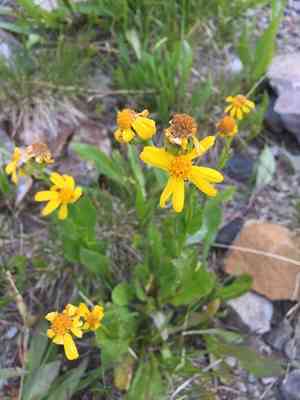
Thickleaf ragwort possesses plump, succulent foliage. Trim in early spring or late winter to preserve its form and eliminate impaired or lifeless sections. Shorten elongated stems to stimulate fresh development. Refrain from extensive pruning, as this can cause strain to the plant. Trimming enhances air circulation, diminishing the likelihood of ailments. Always employ sanitized, keen implements to avert contagions.
Advantages of Trimming Thickleaf Ragwort
Advantages of Trimming Thickleaf Ragwort
Trimming thickleaf ragwort aids in promoting robust development and maintaining its form. It encourages denser foliage, eliminates dead or unhealthy sections, and improves air circulation, thereby lowering the risk of pests and illnesses. Consistent trimming also keeps thickleaf ragwort visually appealing.
Optimal Period for Pruning Thickleaf Ragwort
Optimal Period for Pruning Thickleaf Ragwort
Late winter and early spring are ideal for pruning thickleaf ragwort as this period aligns with the plant's dormant stage, minimizing stress and allowing it to channel energy into new growth once the active season begins. Furthermore, pruning at these times helps remove any dead or damaged branches accumulated over winter, preparing for healthier growth and optimal flowering in the coming season.
Necessary Tools for Pruning Thickleaf Ragwort
Hand Pruners
Perfect for precise cuts on thickleaf ragwort's smaller stems and branches, fostering healthy development. Choose bypass pruners for a cleaner cut.
Pruning Scissors
Excellent for detailed tasks with thickleaf ragwort due to their sharpness and control, enabling the removal of dead or damaged leaves without harming the plant.
Disinfectant Solution
Crucial for sanitizing tools before and after use to prevent disease transmission, ensuring thickleaf ragwort remains healthy.
How to Prune Thickleaf Ragwort
Sterilize tools
Ensure that pruning shears or scissors are clean and sterilized to prevent the spread of disease.
Inspect plant
Examine thickleaf ragwort carefully to identify diseased or withered leaves that need to be removed.
Remove diseased leaves
Cut away any leaves showing signs of disease at the base of the stem where the leaf is attached to the plant.
Trim withered leaves
Gently trim away withered leaves, ensuring to cut close to the base without damaging the main stem of thickleaf ragwort.
Dispose properly
Discard all removed plant material in a sanitary manner to prevent contamination or spread of disease.
Common Pruning Errors with Thickleaf Ragwort
Over-pruning
Removing too much foliage can stress thickleaf ragwort and hinder its growth and blooming.
Improper Cuts
Making jagged or uneven cuts can lead to plant damage and increase susceptibility to diseases.
Pruning at Wrong Angles
Cutting too close to the main stem or at inappropriate angles can cause wounds that are difficult for the plant to heal.
Ignoring Dead or Diseased Parts
Failing to remove dead or diseased sections can allow problems to spread throughout thickleaf ragwort.
Not Cleaning Tools
Using dirty or unsharpened tools can introduce pathogens and cause jagged cuts that do not heal properly.
General Pruning Advice for Thickleaf Ragwort
Use Sharp, Clean Tools
Ensure pruning shears or scissors are sharp and sterilized before use to make clean cuts and prevent disease transmission.
Make Clean, Controlled Cuts
Prune with a steady hand and make smooth cuts to avoid unnecessary injury to thickleaf ragwort.
Remove Dead or Diseased Parts First
Prioritize cutting away any brown, wilted, or diseased parts to maintain plant health.
Prune Just Above Nodes
Make cuts just above a leaf node or bud to encourage new growth in the right direction.
Be Cautious with Over-Pruning
Only remove up to a third of the plantâs foliage at one time to avoid stressing thickleaf ragwort.
Maintain a Natural Shape
Aim to keep the plantâs inherent shape while pruning to encourage natural and balanced growth.
Monitor and Adjust
Regularly monitor thickleaf ragwort after pruning sessions to adjust and trim any new growth if necessary while ensuring overall health.



