How to Transplant Oregon stonecrop?
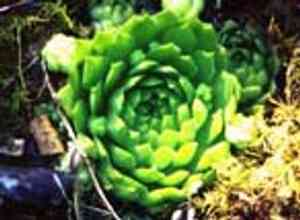
For optimal establishment of oregon stonecrop, spring is ideal, providing moderate temperatures and sufficient development period. Select a bright spot with soil that drains effectively. Careful handling of delicate root systems assists in a smooth relocation.
What Preparations are Needed Before Transplanting Oregon Stonecrop?
What is the Ideal Time for Transplanting Oregon Stonecrop?
The optimal period for relocating oregon stonecrop is during nature's spring awakening. This timing utilizes the plant's natural growth cycle, promoting strong root development and adaptation before summer heat. Moving oregon stonecrop in spring aids their recovery, as moderate temperatures and increased rainfall create an ideal nurturing environment. This approach not only maximizes success but also integrates oregon stonecrop into the natural growth rhythm, boosting their vigor and resilience.
How Much Space Should You Leave Between Oregon Stonecrop Plants?
Planning to transplant oregon stonecrop? Excellent! Aim for a spacing of 1-2 feet (30-60 cm) between each plant. This provides ample room for growth without overcrowding and simplifies maintenance.
What is the Best Soil Mix for Oregon Stonecrop Transplanting?
Oregon stonecrop thrives in well-drained soil, particularly sandy or gravelly types. Incorporate organic compost or a slow-release granular fertilizer for a strong start. Remember, our green companions appreciate nutrient-rich environments!
Where Should You Relocate Your Oregon Stonecrop?
Regarding sunlight, oregon stonecrop enjoys a bright spot. Try positioning your new plant in an area that receives full sun for at least six hours daily. This will help it flourish and display its beautiful jade green leaves.
What Equipments Should You Prepare Before Transplantation Oregon Stonecrop?
Gardening Gloves
To safeguard your hands while handling soil and oregon stonecrop.
Garden Shovel or Trowel
For digging around and beneath the plant when removing it from its original spot and for excavating the new hole.
Garden Fork
Excellent for loosening soil around the oregon stonecrop without harming its roots.
Pruning Shears
To trim excess roots and foliage, encouraging better growth post-transplant.
Garden Hose or Watering Can
For hydrating the oregon stonecrop plant before and after its relocation.
Wheelbarrow
Useful for moving the oregon stonecrop plant, especially if it is large.
Mulch
To help retain moisture and stabilize soil temperature after transplanting.
How Do You Remove Oregon Stonecrop from the Soil?
How Do You Remove Oregon Stonecrop from the Soil?
From Ground: Start by watering the oregon stonecrop plant to moisten the soil. This facilitates digging and reduces plant stress. Using your garden shovel, dig a wide trench around the plant, being careful to keep the root ball intact. Gently work the shovel or garden fork under the root ball to lift the plant from its location.From Pot: Water the plant thoroughly to keep the root ball hydrated. Turn the pot on its side then carefully pull the oregon stonecrop plant out, avoiding pulling on the stems or leaves. If resistant, tap the sides and bottom of the pot to loosen the soil and roots.Seedling Tray: Water the seedlings and allow drainage. Use a small spoon or similar tool to carefully extract each oregon stonecrop seedling without damaging the delicate roots.
Step-by-Step Guide for Transplanting Oregon Stonecrop
Preparation
Begin by thoroughly watering the oregon stonecrop plant a few hours prior to transplanting. This aids in minimizing transplant shock.
Hole Preparation
Dig a hole for your oregon stonecrop plant that is twice the width of the root ball and the same depth. The plant should sit level with or slightly above the surrounding soil to ensure proper drainage.
Placement
Position your oregon stonecrop into the hole and backfill with soil, pressing gently to eliminate air pockets.
Watering
Water the plant thoroughly immediately after transplanting. This helps settle the soil around the roots and reduces transplant stress.
Mulching
Apply a layer of mulch around the plant, leaving a space around the stem. Mulch helps conserve moisture and suppress weed growth.
How Do You Care For Oregon Stonecrop After Transplanting?
Watering
Water the oregon stonecrop as needed, keeping the soil consistently moist but not waterlogged.
Pruning
Avoid extensive pruning immediately after transplanting to allow your oregon stonecrop time to adapt to its new environment. If necessary, lightly prune for shape but ensure ample leaves remain for photosynthesis.
Monitoring
Observe your oregon stonecrop for signs of transplant shock, which may include wilting leaves or a lack of new growth. If such signs appear, ensure adequate water and consider moving it to a more shaded spot until it recovers.
Fertilizing
Wait until new growth is visible before fertilizing your transplanted oregon stonecrop, to prevent overfeeding too soon.
Troubleshooting Common Issues with Oregon Stonecrop Transplantation.
What is the best time to transplant oregon stonecrop?
The ideal time to transplant oregon stonecrop is from early spring to mid-summer. This period allows the plant sufficient time to establish its roots before winter.
What is the correct space to leave between oregon stonecrop when transplanting?
Ensure each oregon stonecrop has room to grow. Maintain a distance of 1-2 feet (30-60 cm) between the transplanted plants.
How deep should I plant oregon stonecrop during transplanting?
During the transplanting process, plant oregon stonecrop at the same depth as it was in its original pot. Planting too deeply can lead to root rot.
Why are the leaves of my transplanted oregon stonecrop turning yellow?
Yellow leaves can indicate over-watering or insufficient light. After transplanting oregon stonecrop, it's vital to provide enough sunlight and avoid excessive watering, which can cause root rot.
How can I ensure my oregon stonecrop gets enough light after transplanting?
Oregon stonecrop thrives in bright light conditions. After transplanting, ensure its new location receives at least six hours of direct sun daily.
How often should I water oregon stonecrop after transplanting?
After transplanting, water oregon stonecrop thoroughly, then allow the soil to dry completely before re-watering. Overwatering can cause root diseases like rot.
What kind of soil is best for oregon stonecrop during transplanting?
Oregon stonecrop prefers well-draining soil. A mix of sandy or gravelly soil enriched with compost or organic matter will promote healthy growth.
My transplanted oregon stonecrop looks wilted. What's happening?
Wilting can be a symptom of transplant shock. Keep the soil moist and the plant in a semi-shaded area until it recovers.
Can I transplant oregon stonecrop in the fall?
While transplanting oregon stonecrop in the fall is possible, it's not optimal. Spring to mid-summer transplanting allows the plant to develop strong roots before the winter season.
Why isn't my transplanted oregon stonecrop growing?
Lack of growth can stem from several factors. It could be due to insufficient nutrients, inadequate light, or a disease. Ensure proper care for successful growth.



