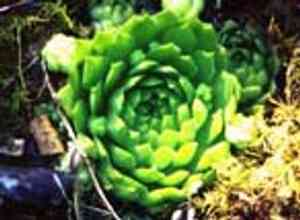
Oregon stonecrop (Sedum oreganum)
Also known as: Oregon Stonecrop
Sedum oreganum, a succulent from the genus Sedum, can be found along the Pacific Coast of North America, stretching from Alaska to northern California. Commonly referred to as Oregon stonecrop, this plant thrives in various rocky environments such as coastal bluffs, cliffs, and inland mountain talus.
In This Article
Attributes of Oregon stonecrop
Lifespan
Perennial
Plant Type
Herb
Plant Height
8 cm to 15 cm
Spread
20 cm
Leaf Color
Green Red Bronze
Flower Size
Approximately 0.25 inches (0.6 cm)
Flower Color
Yellow
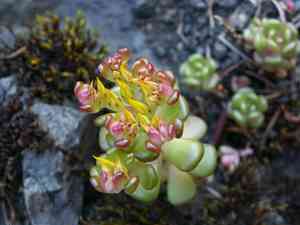
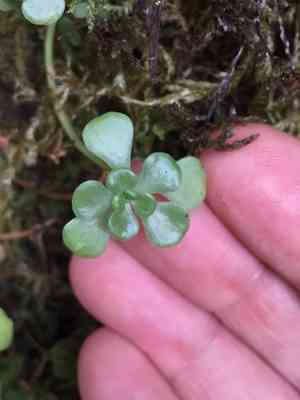
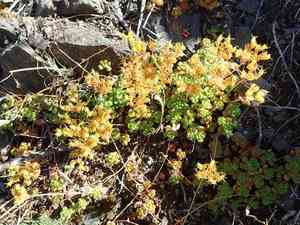
Images of Oregon stonecrop
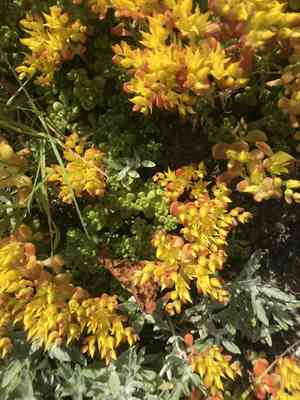
Quickly Identify Oregon stonecrop
1
Identify Sedum oreganum by its thick, succulent leaves that are generally green and turn reddish in full sun. Look for star-shaped yellow flowers that bloom in late spring to early summer. The plant typically forms low mats or spreading clumps.
Scientific Classification of Oregon stonecrop
Phylum
Vascular plants
Class
Dicotyledons
Order
Saxifragales
Family
Stonecrop
Genus
Stonecrops
Species
Oregon stonecrop
Planting and Growing of Oregon stonecrop
Care Difficulty
Easy
Watering Schedule
Every 2 days
Sunlight Requirements
Full sun
Sunshine Duration
10-12 hours
Ideal Temperature
60-75℉
Soil Type
Potting Mix, Peat Mix
Soil pH
6.5-7.5
Fertilizer Type
Balanced
Pruning Season
Spring, Summer
Pruning Area
Branches, Leaves
Pruning Frequency
2 times a year
Repotting Season
Spring
Pot Type
Plastic, Terracotta
 How to Water Oregon stonecrop?
For Sedum oreganum, ensure the soil is thoroughly soaked each time you water, but avoid letting the plant sit in water. Allow excess moisture to drain completely to prevent root rot. Use around 100 ml per watering, adjusting slightly based on environmental conditions.
What are the symptoms of an underwatered Oregon stonecrop?
›
What should I do if my Oregon stonecrop is not getting enough water?
›
What are the symptoms of an overwatered Oregon stonecrop?
›
How to save an overwatered Oregon stonecrop?
›
 What Are the Sunlight Requirements for Oregon stonecrop?
Sedum oreganum thrives in environments with full sun to partial sun exposure. The ideal light promotes strong growth, vibrant coloration, and enhances the plant's overall health and resilience.
More About Sunlight Requirements Techniques→
What kind of light does Sedum oreganum prefer?
›
How can I provide the ideal light for Sedum oreganum?
›
What are the benefits of providing the ideal light conditions for Sedum oreganum?
›
 What Is the Ideal Temperature Range for Oregon stonecrop?
The ideal temperature range for Sedum oreganum should be kept between 60°F and 75°F. This range ensures optimal growth as it closely mimics the plant’s natural habitat conditions. Daytime temperatures of around 70°F allow the plant to synthesize nutrients efficiently, contributing to robust growth.
 What Soil is Best for Oregon stonecrop?
Sedum oreganum thrives in well-draining soil as it prevents root rot. The sandy soil allows excess water to quickly escape, ensuring the plant’s roots are not waterlogged. This plant benefits from moderately fertile soil. Excess nutrients aren't necessary, as too-rich soil can cause leggy growth and reduce overall resilience. Sedum oreganum does not need high organic content. Minerals from the soil suffice, with compost sparingly used, maintaining a balance of nutrients for robust growth.
 How to Fertilize Oregon stonecrop?
Sedum oreganum, being a part of the hardy succulent family, requires moderate fertilizer inputs to maintain its vibrant growth. A diluted liquid fertilizer applied monthly during the growing season should be sufficient, providing an optimal balance without overwhelming the plant.
 How to Prune Oregon stonecrop?
Once the flowers have bloomed and started to wither, remove them to encourage regrowth. Use sharp scissors or pruning shears, cutting just below the spent bloom to maintain plant energy directed towards new growth. Identify any leggy or overly extended stems that disrupt the plant's symmetry. Trim these stems back to a healthy node to encourage more balanced and dense foliage growth.
 How to Propagate Oregon stonecrop plant?
1
Select healthy stems from the parent plant and use a sterilized sharp knife to make clean cuts. Ideally, cuttings should be 3-4 inches long and free from flowering sections.
2
Insert the cut end of the cuttings into well-draining soil mix. Keep the cuttings in a location with bright, indirect sunlight to prevent scorching.
3
Lightly water the cuttings just enough to keep the soil slightly moist. Avoid overwatering which can lead to root rot. Monitor for rooting which typically occurs in a few weeks.
 How to Repot Oregon stonecrop plant?
1
Sedum oreganum needs repotting when its roots outgrow the current pot or the soil appears compacted and less effective in draining water. The best time is during its growing season, from late spring to summer, ensuring it has time to adjust to its new environment.
2
Choose a pot that is just one size larger than its current one, with good drainage holes. Terracotta pots are ideal as they allow moisture to evaporate faster, preventing root rot and maintaining a healthy plant environment.
3
Opt for a sandy or gritty well-draining soil mix, suitable for succulents and cacti. A well-draining soil prevents waterlogging and root rot, ensuring your Sedum oreganum remains healthy and vibrant.



