Enhancing Your Garden Design with the Oregon stonecrop Plant: A Landscaping Guide
1
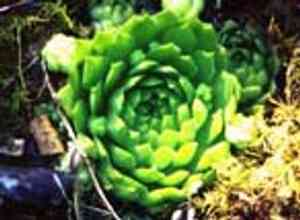
Oregon stonecrop is a adaptable plant capable of flourishing in diverse environmental settings.
2
Adding Oregon stonecrop to your garden can offer continuous aesthetic appeal throughout the year.
3
Employing Oregon stonecrop alongside other flora can result in a harmonious and vibrant landscape arrangement.
Introducing Oregon Stonecrop in Landscape Design
Understanding Oregon stonecrop's role in creating attractive landscapes.
For crafting an aesthetically pleasing landscape, integrating Oregon stonecrop can be transformative. This robust plant, with its distinct texture and striking appearance, introduces a unique element to gardens, rockeries, and borders. Its resilient nature allows it to flourish in diverse conditions, making it an excellent option for both new and experienced gardeners aiming to enhance their outdoor areas with minimal upkeep.
Advantages of incorporating Oregon stonecrop into your outdoor environments.
Oregon stonecrop provides numerous benefits beyond its visual appeal. It serves as superb ground cover, aiding in soil erosion prevention, and its drought-tolerant characteristics make it an environmentally friendly choice for water-conscious gardeners. Furthermore, Oregon stonecrop can attract beneficial insects, such as pollinators, thereby supporting local biodiversity. Its capacity to thrive in poor soil conditions further highlights its usefulness in various landscaping endeavors.
Designing with Oregon Stonecrop: Aesthetic and Practical Considerations
Optimal placement of Oregon stonecrop for maximum visual impact.
To maximize Oregon stonecrop's visual effect, consider its positioning carefully. This plant performs exceptionally well in rock gardens, leveraging its ability to cling to and soften rocky surfaces. Additionally, Oregon stonecrop can be utilized along garden paths or the edges of flower beds to create a neat, defined look. For more dramatic outcomes, group multiple Oregon stonecrop plants together in clusters or masses to form a bold, eye-catching display.
Combining Oregon stonecrop with other plants: Strategies for harmonious design.
Achieving a cohesive garden design with Oregon stonecrop involves pairing it with other complementary plants. Select plants with contrasting textures and colors to make Oregon stonecrop's subtle hues stand out. Consider combining it with ornamental grasses or taller flowering plants to add depth and dimension to your landscape. When designing, keep in mind each plant's growth habits to ensure they complement rather than compete with one another.
Color and textureâthe keys to a vibrant garden with Oregon stonecrop.
The color and texture of Oregon stonecrop can significantly boost your gardenâs vibrancy. Its fleshy, succulent leaves offer a rich texture that beautifully contrasts with more delicate or fine-textured plants. The color palette of Oregon stonecrop, often in shades of green, red, or yellow, shifts with the seasons, providing continuous interest. Use these attributes strategically to create focal points and balance within your garden.
Seasonal Landscape Planning with Oregon Stonecrop
Best season to plant Oregon stonecrop for optimal growth and landscaping success.
Timing is crucial to ensure Oregon stonecrop flourishes in your landscape. The ideal time to plant Oregon stonecrop is during spring or early fall when the weather is mild. Planting during these periods allows Oregon stonecrop to establish its root system before encountering the more extreme temperatures of summer or winter. However, due to its hardiness, Oregon stonecrop can be planted at various times of the year with appropriate care.
How Oregon stonecrop adapts through the seasons: A year-round landscaping companion.
Oregon stonecrop serves as an excellent year-round companion in any landscape design. During its active growth period, it thrives with minimal watering and attention, showcasing vibrant colors and lush foliage. In colder months, while some leaves may recede, Oregon stonecrop often retains some color and structure, offering winter appeal where many other plants diminish. Its seasonal adaptability ensures continuous attractiveness and reduces the need for replanting.
Maintaining Oregon Stonecrop: Tips for Lasting Beauty
Essential tips to ensure Oregon stonecrop thrives in your garden.
To help Oregon stonecrop flourish, plant it in well-draining soil and select a sunny or partially shaded spot. Water Oregon stonecrop sparingly, as it is drought-tolerant and prefers dry conditions. Prune any dead or overgrown sections to maintain its shape and encourage healthy development. A light fertilization in the spring can also promote vigorous growth.
Addressing common challenges encountered while cultivating Oregon stonecrop.
Even though Oregon stonecrop is relatively low-maintenance, gardeners might face a few issues. Overwatering is a frequent problem, as it can lead to root rot. Ensure your soil has good drainage and avoid waterlogging. Pests such as aphids can occasionally be an issue; however, they can be managed with natural predators or insecticidal soap. Regular inspection and prompt action can keep your Oregon stonecrop healthy and thriving.
Creative Ideas for Utilizing Oregon Stonecrop in Landscape Projects
Innovative ways to incorporate Oregon stonecrop in both small and large areas.
Whether you're working with an expansive yard or a compact balcony, Oregon stonecrop offers versatile options for enhancing your space. In smaller areas, use Oregon stonecrop in containers or as part of a miniature rock garden. In larger landscapes, Oregon stonecrop can be employed as ground cover or along the edges of pathways and garden beds. This plant can also thrive in raised beds and as a natural carpet between stepping stones.
Using Oregon stonecrop in vertical gardens: Techniques and advantages.
Oregon stonecrop is an excellent choice for vertical gardens due to its light weight and shallow root system. Use it in green walls or hanging baskets to add a touch of greenery to vertical spaces. The benefits of using Oregon stonecrop in vertical gardens include space-saving, improved air quality, and a unique aesthetic appeal that can transform plain walls into vibrant living spaces. Its low-maintenance nature makes it ideal for hard-to-reach spots.



