Boost Growth: How and When to Repot Your Oregon stonecrop Plant
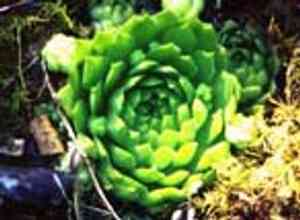
1
The optimal period to transplant your Oregon stonecrop is in Spring and Winter.
2
Verify the new container possesses adequate drainage openings to avoid excessive moisture.
3
Oregon stonecrop flourishes in a soil blend that drains effectively.
Why Replant Your Oregon Stonecrop?
Understanding the advantages of transplanting for plant health and development
Transplanting your Oregon stonecrop offers numerous advantages, fundamentally impacting the plant's well-being and growth. When you replant, you provide it with fresh substrate, rich in nutrients, thereby fostering vigorous development. Over time, the growing medium in your plant's container can become depleted of vital nutrients, leading to stunted growth and pale foliage. Replanting revitalizes the soil environment. Furthermore, it grants the roots more room to expand, reducing the risk of root-bound conditions where roots intertwine, making it difficult for the plant to absorb water and nutrients effectively.
Recognizing indicators that your Oregon stonecrop requires a new container
Knowing when to replant is crucial for maintaining a healthy Oregon stonecrop. Watch for clear signs such as roots emerging from drainage holes, indicating the plant is root-bound and needs more space. Another sign could be inhibited growth despite proper care, which might mean the soil has lost its nutritional content. Also, if the plant is top-heavy and toppling over, it's a good indicator that a larger pot is necessary.
Selecting the Appropriate Container and Substrate
Choosing a container that suits your Oregon stonecrop's requirements
Selecting a suitable pot is vital for your Oregon stonecrop's health. Aim for a container that is 2-5 cm (1-2 inches) wider in diameter than the current one. This size allows for ample root development without being excessively large, which can lead to overwatering issues. Ensure the pot has drainage holes to prevent water accumulation, which can cause root rot.
The optimal soil mixture for ensuring robust growth
Oregon stonecrop thrives best in well-draining substrate. A good blend can be created by combining equal parts of cactus potting mix and perlite. This mixture ensures adequate drainage and prevents the roots from sitting in water, which is essential for succulents. You may also add sand for improved drainage if needed.
Steps to Safely Replant Your Oregon Stonecrop
Preparing your workspace and gathering necessary implements
Before beginning the replanting process, gather all required tools such as a new pot, fresh soil mix, pruning shears, gloves, and a tarp to catch any soil spillage. Having everything in place before you start makes the process smooth and reduces stress on your plant.
Carefully extracting the plant from its current container
Gently lay the Oregon stonecrop on its side and tap the bottom of the pot if the plant doesnât easily slide out. Be cautious to avoid damaging the roots. If the roots are tightly bound together at the bottom, gently untangle them to encourage new growth in the fresh soil.
How to prune roots and apply substrate correctly
Once the plant is out, inspect the roots. Trim any dead or excessively long roots with pruning shears. Place a layer of fresh soil at the bottom of the new pot and position your Oregon stonecrop in the center, gradually filling in around the root ball with soil. Ensure the plant sits at the same depth as before.
Final steps: Watering and positioning after replanting
After replanting, water your Oregon stonecrop lightly to help settle the soil. Ensure that water drains out well to avoid waterlogging. Place the pot in a location with bright, indirect sunlight. Avoid direct sunlight for the first few days to help your plant adjust to its new home.
Post-Replanting Care Advice
Monitoring your Oregon stonecrop for indications of distress
After replanting, keep an eye on your Oregon stonecrop for any signs of stress like wilting, yellowing leaves, or drooping. These symptoms indicate that the plant is experiencing shock. If you notice such signs, ensure the plant is not overwatered and is receiving adequate light.
Essential care recommendations for the initial weeks following replanting
Post-replanting, ensure that you do not overwater your Oregon stonecrop. Water it only when the top 2-3 cm (1 inch) of soil feels dry. Gradually reintroduce the plant to its normal sunlight conditions over a period of a week. Regularly check the soil moisture and keep the plant in an area with good air circulation to prevent fungal growth.



