How to Transplant Nose skullcap?
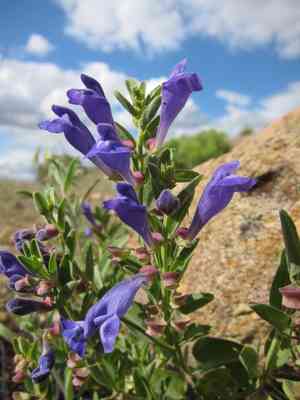
Nose skullcap thrives when relocated in the lively period of mid to late spring, once the earth has sufficiently warmed to encourage fresh development. Select a location offering full sun to partial shade, featuring soil that drains effectively, to ensure ideal circumstances.
Essential Preparations Before Relocating Nose Skullcap?
Optimal Period for Relocating Nose Skullcap?
Nose skullcap, a perennial, thrives best when moved during the initial to latter part of spring. This timeframe facilitates excellent root establishment and development prior to summer's heat. Early season relocation minimizes shock and encourages robust growth, ensuring a strong plant ready to flourish throughout its active period.
Recommended Spacing Between Nose Skullcap Plants?
For proper spacing, arrange your nose skullcap in rows separated by 12-18 inches (30-45 cm). This provides ample room for growth and prevents overcrowding.
Ideal Soil Mixture for Nose Skullcap Relocation?
Before moving, prepare soil that drains well, incorporating a rich organic compost. Add a balanced, low-nitrogen base fertilizer, such as a 5-10-10 blend, to boost development.
Where Should You Replant Your Nose Skullcap?
Select a spot for nose skullcap where it will receive full sun exposure, at least 6-8 hours daily. This guarantees vigorous growth and abundant blooms.
Tools to Prepare Before Transplanting Nose Skullcap?
Gardening Gloves
To safeguard your hands while handling soil and the plant.
Shovel or Spade
For excavating and lifting the root ball from its original spot or container.
Hand Trowel
Useful for smaller plants or for precise tasks.
Watering Can or Hose
To hydrate the plant before and after its relocation.
Garden Fork
To loosen the soil around the plant and prepare the new planting site.
Pruning Shears
For trimming any damaged roots or stems.
How to Extract Nose Skullcap from the Ground?
How to Extract Nose Skullcap from the Ground?
From Ground: First, moisten the nose skullcap plant to dampen the soil. Next, dig a broad trench around the plant using a shovel or spade, ensuring the plant's root ball remains intact. Carefully work the spade beneath the root ball to lift the plant from its initial position.From Pot: Thoroughly water the nose skullcap plant. Gently tap the pot's sides to loosen the soil. Carefully slide the plant out by tilting the pot and gently pulling the plant by its base. Be careful not to harm the roots.From Seedling Tray: Water the seedling tray to make the soil easier to manage. Use a hand trowel or a small spoon to gently scoop out the nose skullcap seedling, aiming to keep as much of the root system and surrounding soil undisturbed as possible.
Step-by-Step Guide for Relocating Nose Skullcap
Site Preparation
Prepare the new planting area by digging a hole twice as wide and equally deep as the plant's root ball. This allows the roots to comfortably expand in their new home.
Soil Amendment
If necessary, incorporate compost or organic material to enhance soil fertility and drainage, creating a healthy environment for your nose skullcap.
Plant Positioning
Place the nose skullcap in the center of the hole and backfill with soil, gently pressing it down to remove air pockets. Ensure the plant is at the same depth as it was previously.
Initial Watering
Water the plant thoroughly immediately after relocation to help settle the soil and stimulate root growth.
Post-Transplant Care for Nose Skullcap
Watering
Maintain consistent moisture in the soil around the nose skullcap, avoiding saturation, for the initial weeks post-transplant to aid in strong root development.
Mulching
Apply a layer of mulch around the plant's base. This helps retain soil moisture and moderates soil temperature, facilitating the plant's adjustment.
Monitoring
Closely observe the nose skullcap for any indications of stress, such as wilting or yellowing leaves. Address any issues promptly to give your plant the best chance of flourishing in its new spot.
Pruning
If the plant's roots sustained damage during the move, consider trimming some foliage to reduce the plant's water demands while the roots recover.
Addressing Common Issues with Nose Skullcap Relocation.
When is the best time to move nose skullcap?
Relocate nose skullcap from early to late spring for optimal outcomes.
What spacing is needed for nose skullcap?
Space nose skullcap 12-18 inches (30-45 cm) apart for proper development.
What's the ideal method for moving nose skullcap?
Gently remove nose skullcap from its container, loosen roots, and plant in prepared soil.
How do I get the soil ready for nose skullcap?
Ensure well-draining soil, enriched with compost to support nose skullcap's growth.
Should I water nose skullcap right after moving it?
Yes, water nose skullcap thoroughly immediately after relocation to help it settle.
What if nose skullcap leaves wilt after moving?
Keep nose skullcap well-hydrated and shaded for a few days to aid recovery.
How should I handle nose skullcap roots during relocation?
Be gentle with nose skullcap's roots, preventing damage and ensuring they are spread out in the hole.
What type of mulch is best for nose skullcap?
Utilize organic mulch like straw or wood chips to maintain moisture.
Can I move nose skullcap on a hot day?
Avoid relocating nose skullcap on hot days; cool, overcast days are preferable.
How deep should I plant nose skullcap?
Plant nose skullcap at the same depth it was growing in its pot to prevent stress.



