How to Propagate Nose skullcap?
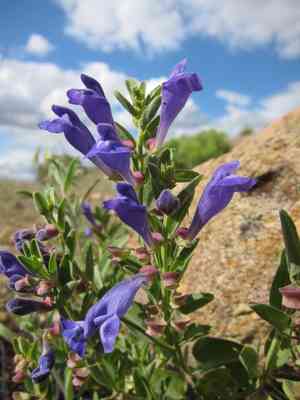
Effective propagation of Nose skullcap is achievable. A well-draining substrate is essential for successful germination. Surface sowing the seeds and gently pressing them into the medium promotes superior development. Maintaining consistent soil moisture, without saturation, supports robust seedling emergence. Indirect sunlight conditions are advantageous for initial growth phases. Acclimatization to a partially shaded outdoor setting ought to be progressive to avert stress.
When Is the Best Time to Propagate Nose Skullcap?
Propagation Method
Seeding
Propagation Period
Spring
What Tools Are Used in Nose Skullcap Propagation?
Seed Tray
Offers a regulated setting for planting seeds. Utilizing a seed tray guarantees even spacing for nose skullcap seeds and access to ideal soil conditions for sprouting.
Seedling Mix
A premium, well-draining seedling substrate is crucial for the successful germination of nose skullcap seeds. It should be sterile to prevent illnesses and rich in nutrients to support initial development.
Spray Bottle
Maintains the necessary moisture and humidity levels without disturbing delicate nose skullcap seedlings. A fine mist spray ensures uniform moisture distribution.
Heat Mat
Ensures consistent soil warmth, which is vital for the germination of nose skullcap. A heat mat helps maintain the ideal temperature range, boosting germination rates.
Humidity Dome
Keeps humidity high and temperature stable, creating a mini-greenhouse effect beneficial for the germination of nose skullcap.
Labeling Stakes
Important for identifying each nose skullcap seed's planting date and specific variety, ensuring proper tracking and care throughout the propagation process.
Small Hand Trowel
Useful for carefully transplanting nose skullcap seedlings from the seed tray to larger pots or garden beds without damaging the roots.
Grow Lights
Supplements natural light, providing nose skullcap seedlings with the necessary light spectrum for healthy growth when natural sunlight is insufficient.
Planting Dibble
Creates evenly spaced holes in the seed mix for sowing nose skullcap seeds at the correct depth, ensuring consistent and successful germination.
Propagation Tray with Cover
Offers a larger area for propagating multiple nose skullcap seedlings while protecting them from environmental stressors such as drafts and pests.
How to Propagate Nose Skullcap?
Propagation Type
Simple
How to Care for Your Newly Propagated Nose Skullcap?
How to Care for Your Newly Propagated Nose Skullcap?
Nose skullcap requires well-draining soil and a location with partial to full sun. Water the plant regularly during the establishment phase, but avoid waterlogging the soil. Mulch around the base to conserve moisture and suppress weeds. Regularly check for pests and diseases, and prune as necessary to maintain plant health and shape. Fertilize lightly with a balanced, slow-release fertilizer during the growing season to promote vigorous growth and flowering.
Common Mistakes to Avoid When Propagating Nose Skullcap
Overwatering
Excessive watering can lead to root rot, which can kill nose skullcap. Always ensure the soil is well-draining.
Incorrect Soil
Using heavy or clay-rich soil can suffocate roots. Nose skullcap thrives in light, sandy or loamy soils.
Insufficient Light
Nose skullcap requires plenty of sunlight. Inadequate light results in weak, leggy growth and poor flowering.
Improper Cutting
Taking cuttings from weak or unhealthy plants can result in poor propagation success. Always select strong, healthy parts of nose skullcap.
Neglecting Temperature
Exposure to extreme temperatures (either too hot or too cold) can hinder growth or even kill the plant. Nose skullcap prefers moderate temperatures.
Tips For Propagating Nose Skullcap
Optimal Drainage
Ensure the propagation medium offers excellent drainage to prevent waterlogging. Use a mix of perlite and peat or a well-draining potting mix.
Sterilized Tools
Always use sterilized cutting tools to prevent infection or disease transmission when taking cuttings from nose skullcap.
Healthy Source Plant
Select cuttings from a healthy, robust parent plant to improve the chances of successful propagation.
Adequate Light
Place the cuttings in a location where they will receive plenty of bright, indirect sunlight. Consider using a grow light if natural light is insufficient.
Environmental Control
Maintain consistent humidity and temperature levels around the cuttings by using a humidity dome or a plastic cover. Avoid drastic temperature fluctuations.



