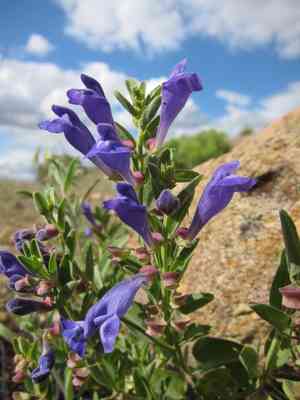
Nose skullcap (Scutellaria antirrhinoides)
Also known as: None
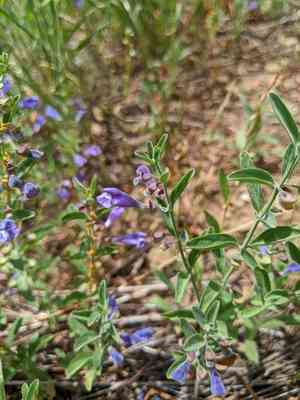
The nose skullcap (Scutellaria drummondii) is distinguished by its small, tubular flowers that range in color from blue to violet. This perennial herb typically reaches heights of 1 to 2 feet and features square stems with opposite, lance-shaped leaves.
Natural Habitat:
- Predominantly found in the southeastern United States.
- Prefers well-drained soils, including sandy or rocky types.
- Commonly grows in open woods, prairies, and along roadsides.
- Thrives in conditions ranging from full sun to partial shade.
These features and habitat preferences enable the nose skullcap to adapt well to a variety of environments, contributing to its role in local ecosystems.
In This Article
Attributes of Nose skullcap
Lifespan
Perennial
Plant Type
Herb
Plant Height
Up to 60 cm
Spread
Not typically measured
Leaf Color
Green
Flower Size
About 1-2 cm
Flower Color
Purple or blue
Images of Nose skullcap
Quickly Identify Nose skullcap
1
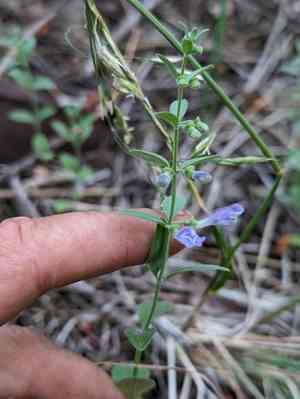
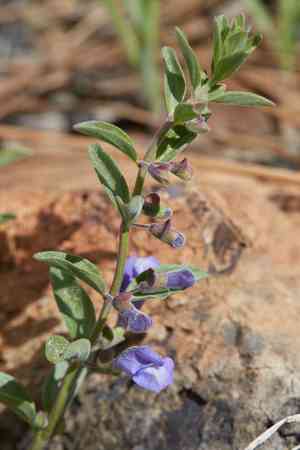
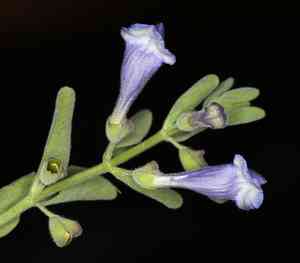
Scutellaria antirrhinoides can be identified by its distinctive snapdragon-like flowers, which are usually purple or blue. The leaves are opposite, lanceolate to ovate, and the stems are square, characteristic of the mint family.
Scientific Classification of Nose skullcap
Phylum
Vascular plants
Class
Dicotyledons
Order
Lamiales
Family
Mint
Genus
Skullcap
Species
Nose skullcap
Planting and Growing of Nose skullcap
Care Difficulty
Moderate
Watering Schedule
Every 4 days
Sunlight Requirements
Full sun
Sunshine Duration
4-8 hours
Ideal Temperature
68-72℉
Soil Type
Potting Mix, Peat Mix
Soil pH
6.5-7.5
Fertilizer Type
Balanced
Pruning Season
Spring, Summer
Pruning Area
Branches, Leaves
Pruning Frequency
Once a year
Repotting Season
Spring
Pot Type
Terracotta, Plastic
 How to Water Nose skullcap?
Scutellaria antirrhinoides prefers consistent but moderate watering. The soil should be moist but not soggy. When watering, aim for about 150 milliliters, ensuring the soil has absorbed the water thoroughly, but avoid water pooling at the base.
What are the symptoms of an underwatered Nose skullcap?
›
What should I do if my Nose skullcap is not getting enough water?
›
What are the symptoms of an overwatered Nose skullcap?
›
How to save an overwatered Nose skullcap?
›
 What Are the Sunlight Requirements for Nose skullcap?
Scutellaria antirrhinoides prefers full to partial sun with morning sunlight. Ideal lighting boosts photosynthesis and flowering, resulting in lush foliage and vigorous stems.
How much light does Scutellaria antirrhinoides need?
›
Solutions for optimal lighting for Scutellaria antirrhinoides
›
Effects of achieving ideal light conditions for Scutellaria antirrhinoides
›
 What Is the Ideal Temperature Range for Nose skullcap?
The ideal temperature range for Scutellaria antirrhinoides, also known as Snapdragon Skullcap, is between 68°F and 72°F. This range allows the plant to thrive by promoting optimal photosynthesis and overall growth. Consistently maintaining temperatures within this range will ensure that nutrient uptake and metabolic processes are not hindered, leading to healthy plant development.
 What Soil is Best for Nose skullcap?
Scutellaria antirrhinoides thrives in well-draining soil, which prevents waterlogging and root rot. This requirement ensures that the plant roots receive adequate oxygen, promoting healthy growth and flowering. A nutrient-rich substrate supports robust growth and vibrant blooms. This soil requirement provides essential minerals and organic matter that the plant utilizes for development and energy during the growing season. The plant prefers soil that retains moderate moisture, ensuring consistent water availability without saturation. This balance helps maintain plant vigor and resist drought stress, which is crucial for optimal health.
 How to Fertilize Nose skullcap?
For Scutellaria antirrhinoides, it is essential to avoid over-fertilization as it may cause more harm than good. Use a balanced liquid fertilizer diluted to half strength, applying about 50-100 ml per plant. For slow-release options, use approximately 20 grams per plant during each application.
 How to Prune Nose skullcap?
Begin by removing any dead or diseased stems. Cut these back to healthy tissue or to the base of the plant. This prevents the spread of disease and encourages a clean, strong framework for new growth. Prune to shape the plant for aesthetic purposes by trimming back overgrown or leggy stems. Aim for a balanced form that complements the natural growth habit of Scutellaria antirrhinoides. To encourage bushier growth, pinch back the tips of stems. This helps stimulate branching and results in a denser, more compact plant, enhancing its overall vigor and floral display.
More About Pruning Techniques→
 How to Propagate Nose skullcap plant?
1
Select a well-draining potting mix for seed propagation. For cuttings, use a mix of perlite and peat. Ensure the soil is moist but not waterlogged to promote healthy root development.
2
For seed propagation, sow seeds on the surface of the prepared soil and lightly cover them. For cuttings, select healthy stems and cut them at a 45-degree angle to maximize water absorption.
3
Place the seed tray or cuttings in a warm, bright location. Maintain temperatures between 65-75°F (18-24°C) and provide indirect light for optimal growth. Keep the soil consistently moist.
 How to Repot Nose skullcap plant?
1
Scutellaria antirrhinoides needs repotting when you observe stunted growth or roots emerging from drainage holes. If the roots are tightly coiled, it's a clear sign your plant is in need of a more spacious home. The ideal time to do this is when the plant is actively growing, especially in spring or early autumn, ensuring it has the energy to establish itself in the new soil.
2
Select a pot that is 1-2 inches larger in diameter than the current one to provide extra growing space for the roots. Opt for pots with drainage holes to prevent waterlogging, which can lead to root rot. A slightly deeper pot may also encourage root development, providing more stability and healthier growth.
3
The soil for Scutellaria antirrhinoides should be well-draining to mimic its natural habitat. Look for a mix containing perlite, sand, and organic matter which will prevent water retention. This type of soil supports healthy root development and reduces the risk of fungal infections or root diseases.
Learn More About Nose skullcap Diseases
Anthracnose
Bacterial Leaf Spot
Bacterial Soft Rot
Bacterial Wilt
Chemical Injury
Crown Gall
Cyst Nematode
Damping-off
Downy Mildew
Drought Stress
Fusarium Wilt
Gray Mold
Leaf Curl
Leaf Spot
Mosaic
Nutrient Deficiency
Nutrient Toxicity
Powdery Mildew
Root Rot
Root-knot Nematode
Rusts
Sooty Mold
Spider Mites
Temperature Stress
Thrips Damage
White Mold



