How to Prune Nose skullcap?
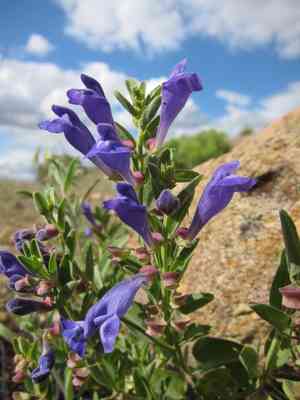
This enduring herb features attractive purple-blue blossoms and flourishes in adequately drained earth. To achieve peak development, trim nose skullcap during late winter or early spring, prior to the emergence of new shoots. Eliminate any lifeless or ailing stalks to foster proper air movement. A light snip following the blooming period can stimulate a more compact structure. Consistent trimming boosts flowering and preserves the plant's configuration, guaranteeing robust and lively development. Always employ keen, sanitized implements to avert pathogens.
What Are the Benefits of Pruning Nose Skullcap?
What Are the Benefits of Pruning Nose Skullcap?
Trimming nose skullcap encourages robust development and maintains its form. It fosters healthy growth, enhances blooming, improves appearance, and aids in pest and disease resistance, ensuring a strong plant structure.
What Is the Best Time for Pruning Nose Skullcap?
What Is the Best Time for Pruning Nose Skullcap?
Trimming nose skullcap in early spring or late winter is optimal as the plant is dormant or semi-dormant, minimizing stress. This timing also allows for the removal of any dead or damaged winter growth, promoting new, healthy development as the plant enters its active season. Furthermore, pruning before the growing season begins helps direct the plant's energy towards new growth and flowering, boosting overall vigor and bloom quality.
What Tools Do I Need to Prune Nose Skullcap?
Bypass Pruners
Perfect for making precise cuts on slender stems and branches without crushing plant tissue.
Pruning Shears
Useful for more delicate, detailed cuts and deadheading. Essential for accurate trimming of nose skullcap's smaller stems.
Pruning Knife
Excellent for precisely removing any diseased or damaged sections. Ensures clean cuts, minimizing harm to nose skullcap.
Sterilizing Solution
Essential for preventing the spread of pathogens. Disinfect tools before and after use.
How to Prune Nose Skullcap
Inspect
Examine nose skullcap for any indications of diseased or withered foliage to identify areas needing attention.
Prep Tools
Ensure pruning shears are clean and sharp to make precise cuts and prevent the spread of illness.
Diseased Leaves
Carefully snip off any diseased leaves at their base where they connect to the stem to prevent further contamination.
Withered Leaves
Remove dried-up leaves by cutting them close to the stem to encourage healthy development and enhance the plant's overall look.
Dispose
Properly discard all removed foliage to prevent any potential spread of disease to other parts of nose skullcap or nearby plants.
Common Pruning Mistakes with Nose Skullcap
Poor technique
Using dull or dirty tools can result in ragged cuts that may lead to infections or poor healing in the plant.
Over-pruning
Removing too much foliage at once can stress nose skullcap, leading to stunted growth and fewer blooms.
Incorrect cutting
Cutting too close to the main stem or leaving long stubs can impede the plant's ability to recover properly and may result in dieback.
Ignoring shape and size
Failing to maintain the natural form and dimensions of nose skullcap can lead to a less attractive plant and may affect its overall health.
Common Pruning Tips for Nose Skullcap
Use sharp, clean tools
Always use sharp pruners or shears to make clean cuts and reduce the risk of infecting the plant.
Prune lightly and regularly
Instead of pruning heavily in one go, trim a small amount regularly to encourage bushier growth and more blooms.
Cut at the right angle
Make cuts at a 45-degree angle to ensure water runs off and the plant heals better.
Follow the shape
Maintain nose skullcap's natural shape by pruning evenly around the plant, ensuring you donât disrupt its balance and symmetry.
Remove dead or damaged stems
Regularly cut out any dead, diseased, or damaged stems to prevent the spread of disease and encourage healthier growth.



