How to Transplant Lanceleaf figwort?
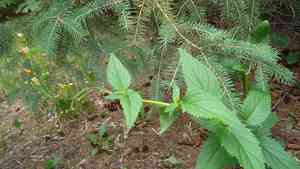
The ideal period for relocating lanceleaf figwort spans from the revitalizing warmth of mid-spring through the onset of summer, or from late autumn into the initial cold of winter. Select a location offering partial shade and soil that drains effectively. Should it be necessary, amend the soil with compost to provide lanceleaf figwort with a robust beginning.
Preparations Required Before Relocating Lanceleaf Figwort?
When is the Best Time to Move Lanceleaf Figwort?
For lanceleaf figwort, the perfect time for relocation is during the gentle start of spring or amidst the cool embrace of autumn. Moving your lanceleaf figwort in these seasons takes advantage of the moderate temperatures and soil conditions, which are ideal for root establishment. This ensures your lanceleaf figwort will have ample time to adjust and thrive. A friendly reminder: these transitional periods offer your perennials the nurturing environment they need for a successful move!
What is the Recommended Spacing Between Lanceleaf Figwort Plants?
When you're ready to provide your lanceleaf figwort with a new home, aim to position them approximately 15-18 inches (38-46 cm) apart. This will provide each plant with sufficient room to flourish without competing for nutrients or sunlight.
What is the Optimal Soil Blend for Lanceleaf Figwort Relocation?
The ideal bed for your lanceleaf figwort is well-draining soil enriched with organic matter. Before transplanting, incorporate a balanced, slow-release fertilizer to give your lanceleaf figwort a healthy start. A 10-10-10 NPK fertilizer will work well.
Where Should You Replant Your Lanceleaf Figwort?
Your lanceleaf figwort will appreciate a location that receives partial shade throughout the day. Seek out an area that is sunny, perhaps with some dappled afternoon shade to shield it from the most intense sun rays, ensuring vigorous growth.
What Tools Should You Prepare Before Transplanting Lanceleaf Figwort?
Gardening Gloves
To safeguard your hands while handling soil and plants.
Shovel or Spade
For excavating the plant and preparing the new planting site.
Watering Can or Hose
For hydrating the lanceleaf figwort before and after its relocation.
Measuring Tape
To assist in accurately spacing out the planting area.
Garden Trowel
Useful for managing smaller plants or confined spaces.
Pruning Shears
For trimming any damaged roots or foliage prior to transplanting.
Wheelbarrow or Plant Dolly
To move the lanceleaf figwort from one spot to another without causing harm.
Organic Mulch
For application after planting to retain moisture and inhibit weed growth.
How Do You Extract Lanceleaf Figwort from the Ground?
How Do You Extract Lanceleaf Figwort from the Ground?
From Ground: First, thoroughly water the lanceleaf figwort plant a day before the scheduled transplant to make the soil more workable. Using a shovel or spade, loosen the soil around the plant, then carefully slide the tool beneath the root ball and gently lift it from the ground.From Pot: Begin by watering the soil within the pot to facilitate root ball removal. Turn the pot on its side, gently tap the sides and bottom to loosen the root ball, and slowly ease the lanceleaf figwort plant out with your hands supporting the base of the stem.From Seedling Tray: Ensure the seedlings are well-hydrated before beginning. Use a garden trowel or a small hand tool to gently lift each lanceleaf figwort seedling by its leaves rather than the delicate stem. Carefully separate the seedlings if they are clustered, being mindful of the roots.
Step-by-Step Guide for Relocating Lanceleaf Figwort
Plant Preparation
The day before transplanting, water the lanceleaf figwort plant to minimize stress and dehydration. Trim any damaged or excessively long roots with pruning shears.
Digging the Hole
Excavate a hole in the ground that is twice as wide and as deep as the root ball of the lanceleaf figwort. This will provide ample space for the roots to spread.
Positioning
Place the lanceleaf figwort in the center of the hole with the top of the root ball level with the soil surface. Spread the roots outwards and remove any ties or wrappings.
Backfilling
Gently refill the hole with soil, firming it around the root ball of the lanceleaf figwort to eliminate air pockets. Water thoroughly to settle the soil around the roots.
Mulching
Apply a layer of organic mulch around the base of lanceleaf figwort, avoiding direct contact with the stem. This will help retain moisture and regulate soil temperature.
How Do You Care For Lanceleaf Figwort After Relocation?
Watering
Keep the soil around the lanceleaf figwort consistently moist for the initial few weeks. Water deeply to encourage robust root growth.
Monitoring
Observe the lanceleaf figwort for signs of transplant shock, which may include wilting, leaf drop, or yellowing leaves. Recovery should occur with consistent care.
Pruning
Prune any dead or damaged foliage from the lanceleaf figwort to help direct its energy towards root establishment.
Supporting
Stake the lanceleaf figwort if necessary to protect it from strong winds or to keep it upright while the roots become established.
Weeding
Keep the area around the lanceleaf figwort free of weeds that would compete for nutrients and water.
Troubleshooting Common Issues with Lanceleaf Figwort Relocation.
What's the ideal time to move lanceleaf figwort?
The optimal transplant period is during mid-spring to late spring or mid-autumn to early winter to ensure robust growth.
How far apart should I space lanceleaf figwort when relocating?
Ensure a spacing of 15-18 inches (38-45 cm) between lanceleaf figwort to provide adequate room for expansion and airflow.
Why is my lanceleaf figwort wilting after being moved?
Wilting can be due to transplant shock. Ensure soil is moist and avoid full sun for a few days to help it recover.
How deep should the hole be for relocating lanceleaf figwort?
The hole should be as deep as the root ball and twice as wide to encourage root growth.
Can I move lanceleaf figwort in the summer?
It's best to avoid summer as it stresses lanceleaf figwort. Stick to the cooler, recommended transplanting times for success.
What soil conditions does lanceleaf figwort prefer for relocation?
Use well-draining soil rich in organic matter. If drainage is poor, consider amending soil or raising the planting bed.
Should I prune lanceleaf figwort before relocating?
Light pruning is beneficial; it balances root loss and encourages new growth, but avoid heavy pruning which can stress lanceleaf figwort.
How much water does lanceleaf figwort need right after being moved?
Water thoroughly until the soil is moist but not waterlogged. Then, maintain consistent moisture until lanceleaf figwort is established.
Why are the leaves of lanceleaf figwort turning yellow post-relocation?
Yellow leaves could indicate overwatering or a nutrient deficiency. Adjust watering and consider a balanced fertilizer.
Should I fertilize lanceleaf figwort immediately after relocating?
Wait 4-6 weeks before fertilizing to allow lanceleaf figwort to settle and roots to start establishing, then fertilize lightly.



