How to Prune Lanceleaf figwort?
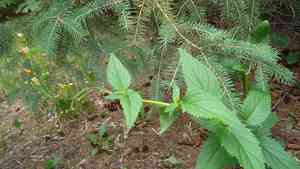
This enduring herbaceous variety, characterized by its unique square stalks and opposing leaves, thrives with judicious trimming to preserve its form and vigor. Trim lanceleaf figwort in the latter part of spring or early summer subsequent to its blooming period to foster more abundant foliage and potentially a subsequent flowering. Eliminate faded blossoms, lifeless or compromised stems, and reduce congested sections to enhance air movement. Trimming additionally manages its dimensions and hinders self-propagation, which could become problematic in certain locales. Employ sanitized, keen implements to avert disease.
Advantages of Trimming Lanceleaf Figwort
Advantages of Trimming Lanceleaf Figwort
Trimming lanceleaf figwort encourages vigorous development and maintains a compact, desired shape. Regular pruning prevents excessive growth, ensuring lanceleaf figwort remains robust and visually appealing in the garden.
Optimal Time for Pruning Lanceleaf Figwort
Optimal Time for Pruning Lanceleaf Figwort
Pruning lanceleaf figwort during spring or early summer aligns best with its active growth period. This timing allows lanceleaf figwort to recover quickly from cuts, as sap flow is high, promoting faster wound closure and new growth. Spring pruning also reduces the risk of disease and pest infestation, common when cuts are made in more humid or colder seasons. Early summer pruning ensures removal of spent blooms, leading to a tidier plant and potentially boosting flowering in the next season by redirecting energy to new shoots instead of seed production.
Essential Tools for Pruning Lanceleaf Figwort
Bypass Pruners
Perfect for making clean cuts on lanceleaf figwort, minimizing stem damage during pruning. These pruners are effective for snipping stems under half an inch in diameter.
Pruning Shears
Useful for shaping lanceleaf figwort or removing old growth without stressing the plant. They provide a clean cut, crucial for the health of lanceleaf figwort.
Gardening Gloves
Protect your hands from thorns and natural irritants on lanceleaf figwort while handling the plant during pruning.
Pruning Saw
Required for cutting through thicker branches of lanceleaf figwort that may have matured and become too large for pruners or shears, ensuring a clean cut without tearing plant tissue.
How to Prune Lanceleaf Figwort
Sterilize
Before beginning, sanitize your cutting tools with alcohol to prevent disease spread when trimming lanceleaf figwort.
Disinfect
Wear gloves for protection and disinfect hands if handling diseased parts of lanceleaf figwort to avoid contaminating healthy areas.
Remove Diseased Leaves
Carefully prune away diseased leaves from lanceleaf figwort by cutting at the base of the leaf stem, being careful not to harm nearby healthy leaves.
Cut Withered Leaves
Trim any withered leaves on lanceleaf figwort to the stem base to maintain appearance and encourage healthy growth.
Eliminate Diseased Stems
Identify and prune back diseased stems on lanceleaf figwort, cutting well below the affected area into healthy tissue to ensure complete removal of all compromised parts.
Common Pruning Errors with Lanceleaf Figwort
Over pruning
A common error is removing too much growth from lanceleaf figwort, which can stress the plant and hinder future development. Novice gardeners sometimes cut back more than the recommended one-third of the plant's size, potentially harming its health and vigor.
Improper cut locations
Gardeners might prune lanceleaf figwort at incorrect spots, cutting either too close to the main stem or too far from the buds. This can lead to damage, disease entry, or poor regrowth.
Using dull tools
Using blunt cutting tools can damage the stems of lanceleaf figwort, resulting in jagged cuts that make the plant vulnerable to infection and disease.
Ignoring diseased material
Lanceleaf figwort can be susceptible to pests and diseases, so failing to remove affected areas during pruning can allow the problem to spread throughout the plant.
Neglecting plant shape
Overlooking the natural form of lanceleaf figwort during pruning can result in an unbalanced shape, which not only affects aesthetics but can also impede the development of new growth.
General Pruning Advice for Lanceleaf Figwort
Clean cuts
When pruning lanceleaf figwort, use sharp, clean shears for precise cuts. This keeps the plant healthy by minimizing disease risk and promoting faster healing of cut sites.
Pruning for growth
Lanceleaf figwort responds well to pruning that stimulates new growth. Focus on removing older, unproductive stems to encourage vigorous development and flowering.
Sanitation
Clean up all pruned material from around lanceleaf figwort to prevent the spread of pests or diseases. Disinfect pruning tools between cuts when working on diseased plant material.
Thinning over crowding
For better air circulation and light penetration, which lanceleaf figwort needs for optimal growth, lightly thin out overcrowded areas but avoid over-thinning, which could expose the plant to environmental stressors.
Respecting natural form
Maintain the natural appearance of lanceleaf figwort by pruning in a way that complements its inherent shape and structure, allowing the plant to grow in a balanced and healthy manner.



