The Lanceleaf figwort Plant Advantage: Maximizing Home and Office Appeal and Wellness
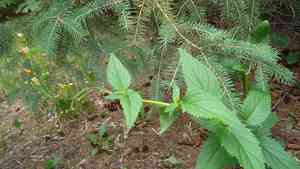
1
Lanceleaf figwort is recognized for its remarkable capacity to draw in helpful pollinators.
2
The foliage of Lanceleaf figwort has historically been utilized in diverse herbal treatments.
3
Lanceleaf figwort flourishes in a range of soil types, establishing it as an adaptable garden specimen.
Benefits of Incorporating Lanceleaf Figwort into Your Garden
Draws in Beneficial Pollinators
Lanceleaf figwort is renowned for its capacity to attract bees, butterflies, and other advantageous pollinators. This offers significant benefits for gardeners aiming to boost biodiversity in their spaces. By cultivating Lanceleaf figwort, you not only enhance your garden's vibrancy but also bolster the local ecosystem.
Adaptability to Various Soil Types
Lanceleaf figwort can flourish in diverse soil conditions, making it a flexible option for gardeners. Whether your soil is sandy, loamy, or even somewhat clay-rich, this resilient plant is likely to thrive with minimal effort. This versatility helps ensure even new gardeners can successfully grow Lanceleaf figwort.
Historical Applications of Lanceleaf Figwort
Herbal Remedies
The foliage and roots of Lanceleaf figwort have historically been utilized in various natural remedies. Individuals have relied on this plant for its potential health-supporting qualities. Nevertheless, it's crucial to consult a knowledgeable expert before integrating any new plant into your wellness regimen.
Culinary Applications
In certain cultures, specific parts of Lanceleaf figwort are employed in cooking. While not prevalent in mainstream cuisine, its distinct flavors can provide an intriguing element to particular dishes. Always confirm that the plant components are correctly identified and safe for consumption.
Cultivating Your Lanceleaf Figwort Plant
Ideal Growing Conditions
Lanceleaf figwort thrives in locations with full sun to partial shade. When planting, select a site that receives at least six hours of direct sunlight daily. This will ensure your plant develops robustly and produces abundant blooms.
Watering and Upkeep
Although Lanceleaf figwort is relatively low-maintenance, it does require consistent watering during dry spells. Aim to keep the soil consistently moist but not waterlogged. Applying mulch around the plant's base can help retain soil moisture and inhibit weed growth.
Common Questions Regarding Lanceleaf Figwort
Does Lanceleaf Figwort Attract Undesirable Pests?
While Lanceleaf figwort excels at attracting beneficial pollinators, it generally does not draw in unwanted pests. However, it's always wise to regularly inspect your garden to ensure no harmful insects are establishing themselves.
How Can I Propagate Lanceleaf Figwort?
Propagating Lanceleaf figwort can be achieved through seeds or cuttings. The simplest method involves collecting seeds from mature plants and sowing them in a well-draining soil mixture. Keep the seedbed moist and in a sunny spot for optimal germination.



