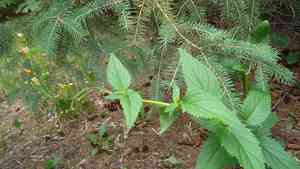
Lanceleaf figwort (Scrophularia lanceolata)
Also known as: Early figwort
The plant known as lanceleaf figwort (Scrophularia lanceolata) lacks highly showy flowers but still manages to attract a variety of insects such as wasps and bumblebees. Its genus, Scrophularia, is named after scrophula, a disease characterized by swollen lymph nodes, which is reminiscent of the plant's knobbly rhizomes.
In This Article
Attributes of Lanceleaf figwort
Lifespan
Perennial
Plant Type
Herb
Plant Height
51 cm to 1.02 m
Spread
1.5 m
Leaf Color
Green
Flower Size
2.5 cm
Flower Color
Green Red Brown
Images of Lanceleaf figwort
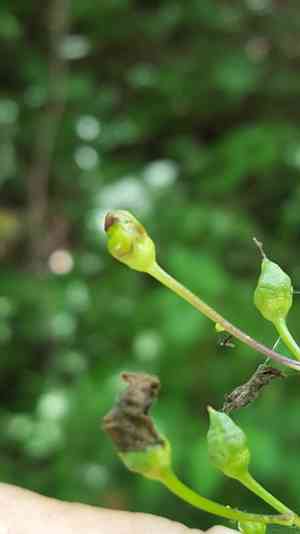
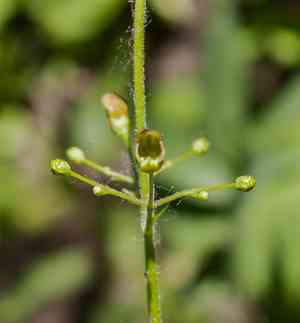

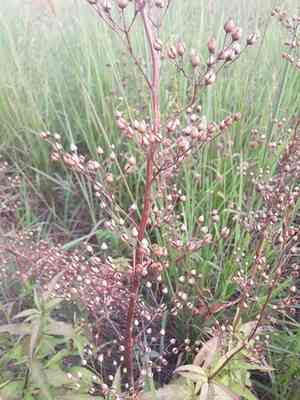
Quickly Identify Lanceleaf figwort
1
Scrophularia lanceolata can be identified by its lance-shaped, serrated leaves and its distinctive small, tubular flowers. The flowers usually have a brownish-red coloration and form in clusters at the top of the stems. The plant typically grows to a height of about 1 to 3 feet.
Scientific Classification of Lanceleaf figwort
Phylum
Vascular plants
Class
Dicotyledons
Order
Lamiales
Family
Figwort
Genus
Figworts
Species
Lanceleaf figwort
Planting and Growing of Lanceleaf figwort
Care Difficulty
Moderate
Watering Schedule
Every 3 days
Sunlight Requirements
Partial sun
Sunshine Duration
6-10 hours
Ideal Temperature
60-75℉
Soil Type
Potting Mix, Peat Mix
Soil pH
6.5-7.5
Fertilizer Type
Balanced
Pruning Season
Spring, Summer
Pruning Area
Branches, Leaves
Pruning Frequency
2 times a year
Repotting Season
Spring
Pot Type
Plastic, Ceramic
 How to Water Lanceleaf figwort?
Scrophularia lanceolata, commonly known as hare figwort, appreciates a moderate watering regimen. Aim to provide about 250 ml of water each time. The soil should be moistened adequately, but it should not remain soggy. Ensure the water can drain freely, preventing root rot while allowing moisture to reach the depths of the roots.
What are the symptoms of an underwatered Lanceleaf figwort?
›
What should I do if my Lanceleaf figwort is not getting enough water?
›
What are the symptoms of an overwatered Lanceleaf figwort?
›
How to save an overwatered Lanceleaf figwort?
›
 What Are the Sunlight Requirements for Lanceleaf figwort?
Partial sun ensures optimal conditions for Scrophularia lanceolata. Ideally, 4 to 6 hours of gentle morning or late afternoon sun encourage robust growth and colorful blooms while protecting foliage from stress.
More About Sunlight Requirements Techniques→
What is the ideal light level?
›
How can you achieve ideal lighting conditions?
›
What benefits does ideal lighting bring to the plant?
›
 What Is the Ideal Temperature Range for Lanceleaf figwort?
Scrophularia lanceolata thrives best in temperatures between 60°F and 75°F. This range facilitates optimal metabolic activities and overall healthy plant development, promoting vibrant growth and flowering.
 What Soil is Best for Lanceleaf figwort?
Scrophularia lanceolata thrives in well-drained soil to prevent root rot, which ensures the roots have ample access to air and nutrients, promoting robust growth. Abundant organic matter in the soil benefits Scrophularia lanceolata by providing a consistent supply of essential nutrients, leading to healthy foliage and vibrant flowering. The soil should retain enough moisture without becoming waterlogged to sustain this plant, ensuring it receives adequate hydration during dry spells.
 How to Fertilize Lanceleaf figwort?
For Scrophularia lanceolata, apply a balanced fertilizer at half the recommended strength. Typically, one to two tablespoons of a liquid fertilizer diluted in a gallon of water are suitable, ensuring not to overwhelm the root system.
 How to Prune Lanceleaf figwort?
Begin by cutting away any dead or damaged stems. Make cuts at a 45-degree angle about a quarter-inch above a healthy bud to encourage proper regrowth. Trim back overly long stems to promote a bushier appearance. Focus on creating a balanced shape by cutting uneven or lanky growth. Remove some inner branches to increase light penetration and air circulation, which aids in the overall health and vigor of the plant. After pruning, water the plant thoroughly and consider applying a balanced fertilizer to support new growth.
More About Pruning Techniques→
 How to Propagate Lanceleaf figwort plant?
1
Begin by filling seed trays with sterile potting soil. Lightly press the seeds into the surface, cover them with a thin layer of soil, and water gently. Place the trays in a bright location but out of direct sunlight.
2
Select a healthy, non-flowering stem and use pruning shears to cut a piece just below a node. Ensure the cutting is about 10-15 cm long and remove the lower leaves before planting in rooting medium.
3
Carefully lift the parent plant from the ground or pot and separate the root clumps into smaller sections, each with a good root system and shoots. Replant these sections immediately in prepared soil.
 How to Repot Lanceleaf figwort plant?
1
Scrophularia lanceolata requires repotting when you notice roots emerging from the drainage holes or if the plant becomes root-bound. Additionally, a significant yellowing of leaves or stagnant growth can signal the need for repotting to provide fresh nutrients.
2
Select a pot that is one or two sizes larger than the current one, ensuring it has adequate drainage holes. A pot that's too large can lead to overwatering issues, while a snug fit supports better root growth and maintains moisture balance.
3
Opt for a well-draining potting mix rich in organic matter. This ensures that Scrophularia lanceolata's roots have access to essential nutrients while preventing water-logging, which can lead to root rot and poor plant health.
Learn More About Lanceleaf figwort Diseases
Anthracnose
Bacterial Leaf Spot
Bacterial Soft Rot
Bacterial Wilt
Chemical Injury
Crown Gall
Cyst Nematode
Damping-off
Downy Mildew
Drought Stress
Fusarium Wilt
Gray Mold
Leaf Curl
Leaf Spot
Mosaic
Nutrient Deficiency
Nutrient Toxicity
Powdery Mildew
Root Rot
Root-knot Nematode
Rusts
Sooty Mold
Spider Mites
Temperature Stress
Thrips Damage
White Mold



