How to Transplant Common rivergrass?
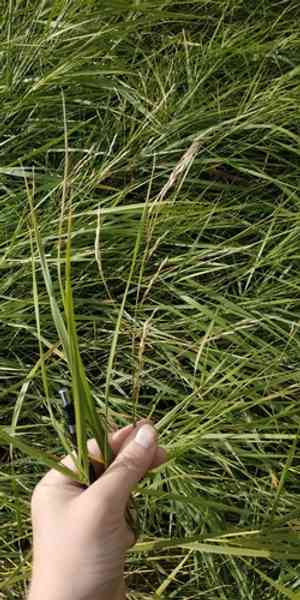
For common rivergrass, the ideal period for relocation spans from the onset of early spring until the threshold of summer. Choose a site with damp, fertile earth and dappled sunlight. Verify that common rivergrass's root system has ample space to foster robust development.
What Preparations are Needed Before Transplanting Common Rivergrass?
What is the Ideal Time for Transplanting Common Rivergrass?
The optimal period for relocating common rivergrass is during early to mid-spring. This timeframe provides mild temperatures and sufficient moisture, crucial for root development. Moving common rivergrass in the gentle warmth of spring promotes robust growth before summer's heat. Transplanting at this point gives the plant a head start, fully utilizing the upcoming growing season for strong development.
How Much Space Should You Leave Between Common Rivergrass Plants?
Hello, gardening enthusiast! When rehousing your common rivergrass, aim for a spacing of approximately 12-18 inches (30-45 cm) between them. This will give each plant ample room to thrive and display its beauty!
What is the Best Soil Mix for Common Rivergrass Transplanting?
For your common rivergrass, think rich and damp! Start with soil that drains well, enriched with organic compost to hold moisture. Before transplanting, mix in a balanced, slow-release fertilizer to supply your common rivergrass with the necessary nutrients for vigorous growth.
Where Should You Relocate Your Common Rivergrass?
Your common rivergrass loves the sun as much as it enjoys company! Choose a sunny location that receives at least 6 hours of direct sunlight daily. This will meet its need for light and warmth, helping your common rivergrass settle in and grow strong.
What Equipments Should You Prepare Before Transplantation Common Rivergrass?
Gardening Gloves
To safeguard your hands while handling soil and plants.
Shovel or Spade
For excavating the common rivergrass's root ball and preparing the new planting site.
Pruning Shears
To trim any dead or excess growth prior to transplanting.
Wheelbarrow
For moving the common rivergrass from its original spot to the new transplant location.
Watering Can or Hose
To hydrate common rivergrass before and after its relocation.
Trowel
For detailed work in adjusting the planting hole or carefully removing small common rivergrass from containers or trays.
How Do You Remove Common Rivergrass from the Soil?
How Do You Remove Common Rivergrass from the Soil?
From Ground: First, water the common rivergrass plant to moisten the soil. Next, dig a wide trench around the plant using a shovel or spade, ensuring the plant's root ball remains intact. Carefully work the spade beneath the root ball to lift the plant from its initial position.From Pot: Water the soil in the pot and gently tip the pot sideways to slide the common rivergrass out, supporting the plant and soil with your hands. If the plant resists, lightly tap the pot's edges to loosen the soil.From Seedling Tray: Dampen the soil in the tray and use a trowel to carefully lift the common rivergrass, being cautious not to harm the delicate roots or stem while separating the plant from its compartment.
Step-by-Step Guide for Transplanting Common Rivergrass
Preparation
Gather all your tools and equipment. Water the common rivergrass thoroughly a few hours before transplanting to ensure the roots are well hydrated.
Removal
Follow the 'removal process' guidelines based on whether the common rivergrass is being taken from the ground, a pot, or a seedling tray.
Hole Preparation
Dig a hole in the ground that is twice as wide and as deep as the common rivergrass's root ball to allow ample space for root expansion.
Transplanting
Position the common rivergrass in the center of the newly dug hole. Backfill around the plant with soil, gently firming it down around the roots without compacting it too heavily.
Watering
Water the common rivergrass generously after planting to settle the soil around the roots and help alleviate transplant shock.
How Do You Care For Common Rivergrass After Transplanting?
Watering Schedule
Maintain consistent moisture for the common rivergrass plant as it establishes. Water it deeply, especially during dry periods, but be careful not to overwater.
Mulching
Apply a layer of mulch around the plant to retain soil moisture and regulate soil temperature.
Pruning
Remove any damaged or diseased foliage to direct the common rivergrass's energy towards healthy growth.
Support
If the common rivergrass shows signs of leaning or instability, use stakes or plant supports to keep it upright as it gets established in its new location.
Troubleshooting Common Issues with Common Rivergrass Transplantation.
Why is my common rivergrass not thriving after transplanting?
Your common rivergrass may be struggling due to transplant stress. Ensure adequate watering, avoid initial direct sun, and check root health before transplant.
When is the best time to transplant common rivergrass?
Optimal transplanting time for common rivergrass is from early spring through its end, to take advantage of the growing season.
How far apart should I plant my common rivergrass for best growth?
For ideal growth, position your common rivergrass 12-18 inches (30-45 cm) apart. This spacing allows ample room for expansion and airflow.
How do I know if the soil is right for common rivergrass?
Ensure your soil is moist and fertile. If it's too dry or lacks nutrients, your common rivergrass may not establish well after transplanting.
Can I transplant common rivergrass in the summer or fall?
Itâs best to transplant common rivergrass in cooler early to late spring, avoiding extreme heat or cold to minimize plant stress.
How deep should I plant common rivergrass?
Dig a hole as deep as the root ball but twice as wide. Keeping the crown level with the soil surface encourages healthy growth.
What should I do if the leaves of common rivergrass yellow after transplanting?
Yellowing leaves can indicate overwatering or poor drainage. Ensure the soil is well-draining and youâre following a consistent watering schedule.
How much water does common rivergrass need after transplanting?
Provide common rivergrass with consistent moisture, especially in the first few weeks post-transplant, without making the soil soggy, to help it establish.
My common rivergrass is wilting post-transplant, whatâs wrong?
Wilting can be a sign of transplant shock. Keep the soil around common rivergrass moist and protect it from strong winds until it recovers.
Is mulching beneficial for common rivergrass after transplanting?
Absolutely, mulching helps retain moisture, regulate soil temperature, and prevent weed competition, aiding in the successful establishment of common rivergrass.



