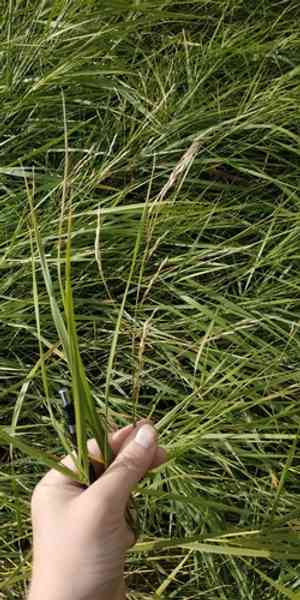
Common rivergrass (Scolochloa festucacea)
Also known as: White-top
Common rivergrass, prevalent in cold, northern regions, is vital for both agriculture and wildlife. It serves as a nutritious food source for cattle and other livestock, enhancing agricultural productivity. Additionally, the tall and dense vegetation formed by its underground rhizomes provides critical nesting sites for birds, including waterfowl and ground-nesting raptors.
In This Article
Attributes of Common rivergrass
Lifespan
Perennial
Plant Type
Grass
Plant Height
70 cm to 2 m
Spread
Clumping growth, no distinct crown diameter
Leaf Color
Green
Flower Size
Small, less than 1 cm
Flower Color
Yellow Green Brown
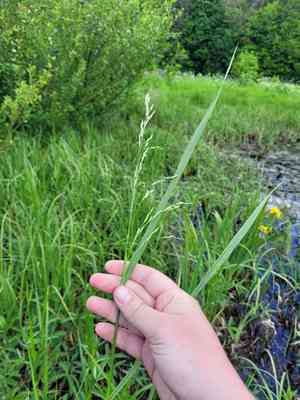
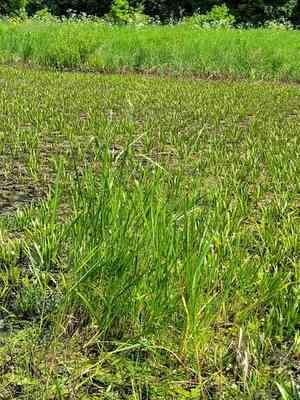
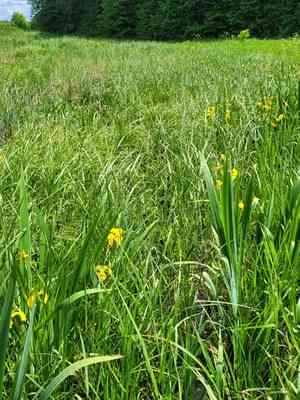
Images of Common rivergrass
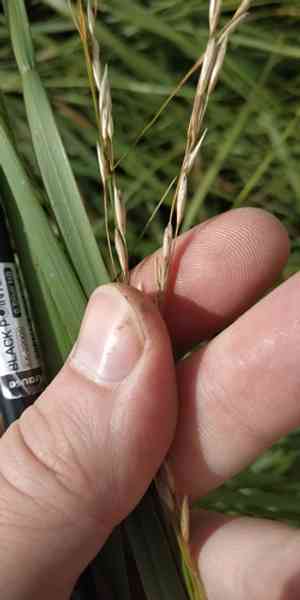
Quickly Identify Common rivergrass
1
Scolochloa festucacea can be identified by its dense clumps of upright stems that can reach up to 1.5 meters in height. The leaves are flat and linear with a rough texture. The inflorescence is a loose, open panicle with numerous small spikelets.
Scientific Classification of Common rivergrass
Phylum
Vascular plants
Class
Monocotyledons
Order
Poales
Family
Grass
Genus
Common Rivergrass
Species
Common rivergrass
Planting and Growing of Common rivergrass
Care Difficulty
Easy
Watering Schedule
Every 2 days
Sunlight Requirements
Full sun
Sunshine Duration
6-10 hours
Ideal Temperature
60-70℉
Soil Type
Potting Mix, Peat Mix
Soil pH
6.5-7.5
Fertilizer Type
Balanced
Pruning Season
Spring, Summer
Pruning Area
Branches, Leaves
Pruning Frequency
2 times a year
Repotting Season
Spring
Pot Type
Plastic, Ceramic
 How to Water Common rivergrass?
Scolochloa festucacea prefers to have its soil consistently moist but not soggy. Aim to water using about 500ml each time, ensuring that the moisture penetrates deeply to reach the roots, simulating its natural habitat near water bodies.
What are the symptoms of an underwatered Common rivergrass?
›
What should I do if my Common rivergrass is not getting enough water?
›
What are the symptoms of an overwatered Common rivergrass?
›
How to save an overwatered Common rivergrass?
›
 What Are the Sunlight Requirements for Common rivergrass?
Scolochloa festucacea benefits from full sun to partial sun environments, receiving 6 to 8 hours of light daily, crucial for maintaining robust health and vibrant growth.
What is the ideal sunlight for Scolochloa festucacea?
›
How to achieve optimal lighting for Scolochloa festucacea?
›
Benefits of achieving ideal lighting?
›
 What Is the Ideal Temperature Range for Common rivergrass?
Scolochloa festucacea thrives best within the temperature range of 60 to 70°F. This range provides the optimal conditions for growth and development, ensuring that the plant can perform photosynthesis efficiently and maintain proper metabolic functions. Maintaining these temperatures can influence positive growth outcomes and longevity.
 What Soil is Best for Common rivergrass?
Scolochloa festucacea thrives in well-drained soil, ensuring the roots don't get waterlogged, which can lead to root rot. This requirement is crucial as it facilitates proper air circulation to the roots, promoting healthy plant growth. It prefers soil with moderate moisture, avoiding overly dry or excessively wet conditions. This balance is beneficial as it supports steady growth without causing stress from drought or waterlogging, both of which can be detrimental to the plant's health. A nutrient-rich soil supports the growth of Scolochloa festucacea by providing essential elements necessary for the plant's development. Ensuring a fertile substrate can lead to more vigorous growth and resilience against pests and diseases.
 How to Fertilize Common rivergrass?
Scolochloa festucacea requires a balanced approach to fertilization. The amount of fertilizer should generally be light to moderate. For liquid fertilizers, use approximately a quarter-strength solution to avoid over-fertilization. When applying slow-release granules, a light application that delivers the necessary nutrients over an extended period is ideal.
 How to Prune Common rivergrass?
Start by gathering the necessary tools: sharp pruning shears, gloves to protect your hands, and a small rake to collect debris. Ensure your shears are clean and sharpened to make clean cuts, which help prevent plant damage and disease transmission. Carefully inspect the grass for discolored, brown, or yellowing leaves. Focus on trimming these leaves as they can sap nutrients and energy, slowing down the overall growth of the plant. Ensure you reach the base of the leaf for a clean cut.
More About Pruning Techniques→
 How to Propagate Common rivergrass plant?
1
Fill seed trays with a mix of garden soil and compost. Sow seeds evenly across the surface and cover lightly with soil. Maintain moisture by misting regularly.
2
Use a spade to carefully lift the entire plant clump from the ground. Gently shake off excess soil and split the clump with your fingers or a spade, ensuring each division has healthy roots.
3
Once seedlings are large enough, or divisions are made, transplant them to a prepared garden bed enriched with compost. Water thoroughly after planting.
 How to Repot Common rivergrass plant?
1
Repot Scolochloa festucacea when it shows signs of root crowding, such as roots emerging from drainage holes, or slow growth despite adequate care. This typically occurs every couple of years, preferably in early spring to allow the plant ample growing time to recover and thrive.
2
Choose a pot that is only slightly larger than the current one to prevent waterlogging while providing room for root expansion. A pot with several drainage holes is ideal, as it ensures water can flow freely, preventing root rot and maintaining optimal health for your Scolochloa festucacea.
3
Opt for a soil blend that retains moisture yet drains well. Incorporate organic matter such as compost or peat to enrich the soil. This mix mirrors the plant’s natural habitat, ensuring it receives vital nutrients and maintains root aeration, which promotes robust growth and nutrient absorption.



