The Common rivergrass Plant Advantage: Maximizing Home and Office Appeal and Wellness
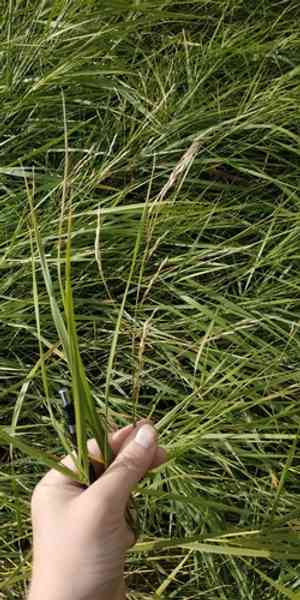
1
Typical rivergrass aids in securing soil and lessens erosion on riverbanks.
2
This plant variety sustains various wildlife by offering them shelter and sustenance.
3
Typical rivergrass is crucial for water purification, enhancing water quality where it naturally grows.
What Are the Main Advantages of Common rivergrass?
Soil Stability and Erosion Prevention
Common rivergrass excels at securing soil along riverbanks. Its root network binds the earth, decreasing erosion and stopping sediment from entering waterways. This is vital in areas prone to heavy rain or floods, where erosion can cause significant environmental and financial damage.
Increased Biological Diversity
Supporting a wide array of wildlife, Common rivergrass serves as both a home and food source. Aquatic and land-based species benefit from its dense cover and nutritional value, leading to greater biodiversity where it grows. These habitats are essential for many species' survival, fostering a balanced and thriving ecosystem.
How Does Common rivergrass Improve Water Quality?
Water Purification
Common rivergrass plays a key role in purifying water. It helps trap sediments and pollutants, preventing them from reaching larger water bodies. This filtration process enhances water clarity, benefiting wildlife and humans who depend on these sources for drinking and recreation.
Nutrient Cycling
Another significant advantage of Common rivergrass is its role in nutrient cycling. By absorbing surplus nutrients from the soil and water, this plant prevents excessive algal growth, which can lead to eutrophicationâa process that depletes oxygen and harms aquatic life. Thus, Common rivergrass aids in maintaining balanced nutrient levels and a healthier aquatic environment.
Can Common rivergrass Be Utilized in Habitat Restoration?
Rehabilitating Degraded Areas
Common rivergrass is frequently employed in habitat restoration projects, especially in riparian zonesâareas bordering rivers and streams. Its capacity to quickly establish and stabilize soil makes it an ideal choice for restoring damaged landscapes. By reintroducing Common rivergrass, we can accelerate recovery and enhance ecological health.
Supporting Indigenous Species
In habitat restoration, supporting native species is crucial, and Common rivergrass does precisely that. As an indigenous plant, it integrates well into its natural ecosystem, supporting species that have co-evolved with it. This symbiotic relationship helps ensure the success of restoration efforts, promoting long-term ecological balance.
What Role Does Common rivergrass Play in Climate Resilience?
Flood Mitigation
Due to its strong root system and ability to thrive in wet conditions, Common rivergrass is highly effective at reducing flooding. It absorbs substantial amounts of water, decreasing the volume flowing into rivers and streams during heavy rainfall. This not only helps prevent floods but also lessens the burden on stormwater management systems.
Carbon Sequestration
Common rivergrass also contributes to climate resilience through carbon sequestration. By absorbing carbon dioxide during photosynthesis and storing it in its biomass and soil, this plant helps reduce atmospheric greenhouse gases. This ability to sequester carbon makes Common rivergrass a vital ally in combating climate change.



