How to Prune Common rivergrass?
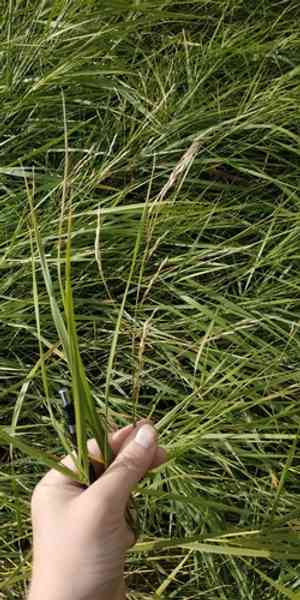
A perennial aquatic grass, common rivergrass flourishes in marshy areas. Trimming away deceased leaves in early spring stimulates development by guaranteeing adequate sunlight and air circulation. During the colder months, eliminate withered stalks to preserve the plant's well-being and, if preferred, to hinder self-propagation. Any trimming should strive to cause the least possible disruption to this species' natural environment. Judicious pruning fosters vigorous groupings and provides a habitat for fauna, positioning common rivergrass as a vital species for ecological equilibrium.
Advantages of Trimming Common Rivergrass
Advantages of Trimming Common Rivergrass
Trimming common rivergrass promotes robust development and assists in maintaining its desired shape for visual appeal and landscape upkeep.
Optimal Time for Trimming Common Rivergrass
Optimal Time for Trimming Common Rivergrass
Trimming common rivergrass in early spring coincides with the start of new growth after its dormant winter phase, enabling the removal of any dead or damaged tissue before the plant allocates energy to new leaves and stems. Pruning at this time fosters healthier growth and a more vigorous plant throughout the growing season. Winter pruning, ideally late winter before spring growth begins, is effective as the plant is still dormant, minimizing stress and the likelihood of disease and pest infestation. This timing also offers the benefit of clearly seeing the plant's structure due to the absence of foliage, simplifying selective trimming. These seasons avoid cutting back common rivergrass during its active growth period in late spring and summer when pruning could potentially diminish the plant's vigor and resilience.
Tools Required for Trimming Common Rivergrass
Scissors or Hand Pruners
For precise cuts of smaller, thinner stems in common rivergrass, sharp scissors or hand pruners are ideal. These tools ensure clean cuts that minimize harm to the plantâs delicate stems.
Grass Shears
Grass shears are well-suited for shaping and trimming the foliage of common rivergrass. They can easily cut through grassy blades, resulting in a neat and tidy appearance.
Long-Handled Loppers
For reaching into denser areas of common rivergrass, long-handled loppers offer leverage and precision. These tools are designed to cut through thicker stems without harming surrounding growth.
Pruning Saw
If common rivergrass has developed particularly thick stems or an extensive root system requiring trimming, a pruning saw may be necessary. This tool provides the strength needed to cut through woody material with minimal effort.
How to Trim Common Rivergrass
Clean tools
Sanitize all trimming tools before beginning to prevent the spread of disease to common rivergrass.
Identify diseased
Examine common rivergrass closely to pinpoint all diseased leaves and stems. Look for any discoloration, spots, or signs of fungal growth.
Prune diseased
Using sterilized shears, carefully remove all diseased leaves. Cut close to the base of the affected leaf, without damaging healthy tissue.
Prune withered
Remove withered or dead leaves from common rivergrass by cutting them at the base of their attached stem. This helps the plant direct energy to healthy growth.
Dispose
Collect and properly dispose of all pruned diseased and withered leaves to prevent the spread of any pathogens.
Common Trimming Errors with Common Rivergrass
Over-pruning
Removing too much foliage from common rivergrass can stress the plant, impede growth, and lead to a sparse look. Aim to remove no more than one-third of the total foliage at any given time.
Improper cutting technique
Making jagged or tearing cuts can damage the plant tissue of common rivergrass and invite disease and pests. Always use sharp, clean trimming tools to make clean, angled cuts.
Neglecting tool maintenance
Using dull or dirty trimming tools can spread diseases between plants and make pruning more difficult, leading to improper cuts.
Pruning too close
Cutting too close to the base of the stems can damage the growing points or the crown of common rivergrass, hindering new growth. Leave a small portion of the stem intact to promote regeneration.
Ignoring plant health
Trimming common rivergrass when it is weakened by pests, disease, or environmental stressors can worsen its condition. Prioritize plant health before pruning.
Disregarding plant form
Random or excessive cutting without considering the natural form of common rivergrass may result in an unappealing appearance and uneven growth.
Common Trimming Advice for Common Rivergrass
Clean pruning tools
Before trimming common rivergrass, ensure all tools are cleaned and sterilized to prevent disease transfer. Use a 10% bleach solution or isopropyl alcohol for cleaning.
Angled cuts
Make cuts at a 45-degree angle, facing away from the bud to encourage water runoff and prevent rot, promoting healthier growth in common rivergrass.
Target dead material
Focus on removing dead, damaged, or diseased foliage from common rivergrass to improve air circulation and overall plant health.
Consider growth pattern
Understand the growth pattern of common rivergrass to prune in a way that maintains the natural shape of the plant and encourages your desired growth direction.
Incremental pruning
For common rivergrass, practice incremental pruning throughout the growing season to manage plant size and shape, rather than a single extensive pruning session.
Monitor regrowth
After trimming common rivergrass, monitor the plant regularly to assess its response to pruning and adjust future trimming techniques and intensity accordingly.



