How to Transplant Littlehead nutrush?
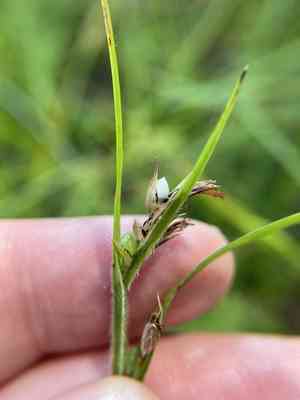
Littlehead nutrush flourishes when moved from early spring through the end of spring, benefiting from mild temperatures and increasing light exposure. Optimal conditions for transplanting involve a sunny spot with good drainage. Make sure to keep the root system hydrated during the procedure for superior outcomes.
What Preparations are Needed Before Transplanting Littlehead Nutrush?
What is the Ideal Time for Transplanting Littlehead Nutrush?
Moving littlehead nutrush during the transition from early to late spring is perfect. This period offers mild temperatures and increased soil moisture, promoting root development. At this time, littlehead nutrush experiences less transplant shock and can fully adjust before summer heat, boosting its chances for successful establishment.
How Much Space Should You Leave Between Littlehead Nutrush Plants?
For littlehead nutrush, position each plant 18-24 inches (45-60 cm) apart to allow ample growth. This spacing promotes good air circulation, which is vital for healthy plants.
What is the Best Soil Mix for Littlehead Nutrush Transplanting?
Opt for soil that drains well, ideally sandy or loamy. Before planting, mix in a balanced, slow-release fertilizer to give littlehead nutrush a strong start. Steer clear of heavy clay soils, as they can lead to waterlogging.
Where Should You Relocate Your Littlehead Nutrush?
Choose a spot that gets full to partial sunlight. Littlehead nutrush thrives best with at least 6 hours of sun daily. This ensures they receive sufficient light for photosynthesis and robust growth.
What Equipments Should You Prepare Before Transplantation Littlehead Nutrush?
Gardening Gloves
To shield your hands while handling soil and plants.
Trowel
For digging around the plant's root ball in confined areas.
Shovel or Spade
To excavate a hole for the transplant and to remove the plant from its original spot if it's in the ground.
Watering Can
To supply water to the plant before, during, and after relocation.
Pruning Shears
To trim any damaged or dead roots or foliage prior to transplanting.
Burlap or Cloth
To wrap the root ball if transporting the plant a distance or to safeguard delicate roots.
Measuring Tape
To ensure correct spacing in the new location.
Wheelbarrow
To transport the plant and soil if necessary.
How Do You Remove Littlehead Nutrush from the Soil?
How Do You Remove Littlehead Nutrush from the Soil?
From Ground: First, hydrate the littlehead nutrush plant to moisten the soil. Then, excavate a wide trench around the plant using a shovel or spade, ensuring the plant's root ball stays intact. Carefully work the spade beneath the root ball to lift the plant from its initial position.From Pot: Lightly water the plant to loosen the soil. Gently tilt the pot sideways and slide the plant out, supporting the root ball with your hand. If the plant is stuck, tap the pot's sides or use a trowel to loosen the edges.From Seedling Tray: Water the seedlings to make the soil easier to manage. Carefully lift each seedling by its leaves or stem base using a dibber or small trowel to prevent root damage.
Step-by-Step Guide for Transplanting Littlehead Nutrush
Site Preparation
Select a suitable location and dig a hole that is twice as wide and the same depth as the root ball of your littlehead nutrush plant.
Soil Preparation
Amend the soil in the planting hole with compost if needed, blending it thoroughly with the existing soil to enhance drainage and nutrient content.
Removing Plant
Follow the appropriate removal procedure for your littlehead nutrush plant, whether from the ground, a pot, or a seedling tray, ensuring minimal root disturbance.
Planting
Position the littlehead nutrush plant in the prepared hole, making sure the top of the root ball is level with or slightly above the surrounding soil. Backfill the hole with soil, pressing it down gently to eliminate air pockets.
Watering
Water the plant thoroughly immediately after planting to help settle the soil around the roots and provide initial moisture.
How Do You Care For Littlehead Nutrush After Transplanting?
Watering
Keep the soil around the littlehead nutrush consistently moist, but not waterlogged, for the first few weeks post-transplant to aid in strong root establishment.
Mulching
Apply a layer of mulch around the plant's base to help retain moisture and regulate soil temperature.
Monitoring
Regularly inspect the plant for signs of stress, such as wilting or yellowing leaves, and adjust care as necessary.
Pruning
Remove any damaged or dead leaves to encourage healthy growth and reduce plant stress.
Troubleshooting Common Issues with Littlehead Nutrush Transplantation.
When is the best time to transplant littlehead nutrush?
Relocate littlehead nutrush from early spring to late spring for optimal growth and establishment.
How much space should I leave between littlehead nutrush plants?
Ensure plants are spaced 18-24 inches (45-60 cm) apart to allow ample room for growth.
What type of soil is best for littlehead nutrush?
Utilize well-draining soil, rich in organic matter, to provide ideal growing conditions for littlehead nutrush.
How should I water littlehead nutrush after transplanting?
Water thoroughly immediately after transplanting, then maintain evenly moist soil without waterlogging.
What is the ideal planting depth for littlehead nutrush?
Plant littlehead nutrush at the same depth it was growing in its previous location to avoid root stress.
How can I reduce transplant shock for littlehead nutrush?
Avoid damaging the roots and water well after transplanting to minimize transplant shock for littlehead nutrush.
Should I fertilize littlehead nutrush after transplanting?
Wait a few weeks after transplanting before using a balanced fertilizer to avoid burning the roots.
How do I prepare the new planting site for littlehead nutrush?
Loosen the soil and incorporate organic matter to prepare the new site for littlehead nutrush.
How do I handle littlehead nutrush during the transplanting process?
Handle littlehead nutrush gently, keeping the root ball intact to protect the roots during transplanting.
What climate conditions are best for transplanting littlehead nutrush?
Transplant littlehead nutrush on a cloudy day or in the evening to reduce stress from direct sunlight.



