How to Propagate Littlehead nutrush?
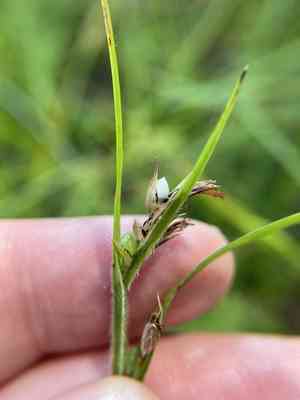
Scleria triglomerata, a member of the Scleria genus, flourishes in boggy or aquatic environments. For multiplying this enduring plant, root division stands as the most successful technique. Gently excavate the root masses and divide them into smaller portions, ensuring every piece possesses sound roots. Promptly replant them in comparable damp soil environments. Consistent irrigation and sufficient room will foster vigorous development and successful establishment.
Optimal Period for Littlehead Nutrush Propagation
Propagation Type
Division
Propagation Season
Spring,Autumn
Tools Required for Littlehead Nutrush Propagation
Garden Spade or Fork
Utilized to carefully excavate and separate littlehead nutrush clumps. This tool minimizes damage to the plant's root system during removal.
Sharp Knife or Garden Shears
Crucial for making precise cuts when dividing littlehead nutrush root clumps. Sharp tools prevent tearing and reduce the risk of plant infection or disease.
Rooting Hormone Powder
Applied to the cut surfaces of littlehead nutrush roots to encourage faster and stronger root development. This boosts the likelihood of successful propagation by stimulating new growth.
Plant Labels
Used to mark and identify individual littlehead nutrush divisions. Labeling assists in monitoring each new plant's development and ensuring proper care.
Watering Can with Fine Rose
Delivers controlled irrigation for newly divided littlehead nutrush plants. Consistent and gentle watering is vital for establishing new plants without causing soil erosion or harming delicate roots.
Garden Gloves
Protects hands during the littlehead nutrush division process, especially when handling the root ball or soil, reducing injury and contamination risks.
Potting Soil and Containers
Necessary for replanting divided littlehead nutrush sections in a controlled environment. Appropriate potting mix and containers ensure proper drainage and healthy root growth.
Mulch
Applied around new littlehead nutrush plants to retain moisture, regulate soil temperature, and suppress weed growth, which is essential for young, establishing plants.
How to Propagate Littlehead Nutrush?
Propagation Type
Easy
Caring for Your Newly Propagated Littlehead Nutrush
Caring for Your Newly Propagated Littlehead Nutrush
Following successful propagation, continue to water littlehead nutrush regularly to maintain consistent moisture levels. Apply a balanced fertilizer during the active growth period to promote robust development. Monitor for signs of stress or disease and address any issues promptly. Regularly remove weeds around the plants to reduce competition and maintain a clean growing environment. In colder climates, consider applying a thicker layer of mulch to protect the roots during winter. With proper care, the new littlehead nutrush divisions should establish well and thrive in their new location.
Common Mistakes to Avoid When Propagating Littlehead Nutrush
Overwatering
Excessive moisture can lead to root rot and fungal infections, compromising plant health and hindering propagation success.
Improper Soil Mix
Using soil that lacks good drainage can retain too much moisture, which is detrimental to littlehead nutrush's growth due to its preference for well-drained substrates.
Incorrect Light Conditions
Providing either too much direct sunlight or insufficient light can stress the plant, affecting its growth and propagation potential.
Neglecting Humidity Levels
Failure to maintain appropriate humidity can lead to desiccation or fungal issues, impacting the health of littlehead nutrush.
Tips For Propagating Littlehead Nutrush
Moderate Watering
Ensure thorough but infrequent watering, allowing the soil to dry out between waterings to avoid waterlogging.
Suitable Soil Mix
Use a well-draining soil mix, possibly incorporating sand or perlite to enhance drainage and prevent root rot.
Balanced Light Exposure
Provide filtered sunlight or partial shade to mimic littlehead nutrush's natural habitat, avoiding stress from extreme light conditions.
Humidity Management
Maintain a moderate level of humidity around the plant, using humidity trays or misting if necessary, to mimic natural conditions and support healthy growth.



