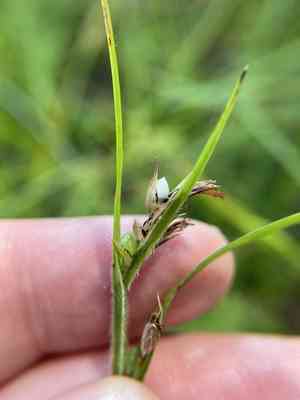
Littlehead nutrush (Scleria oligantha)
Also known as: N/A
Tussock sedge, scientifically known as Carex stricta, is a hardy perennial sedge that forms distinctive tussocks. This plant features narrow, elongated leaves and produces subtle flowers that blend into its dense growth. Well-suited to moist environments, it thrives in wetlands and boggy areas. Its fibrous root system is excellent for anchoring soil and reducing erosion. Additionally, tussock sedge can spread through both seeds and vegetative means, creating extensive mats that offer valuable habitat for wildlife.
In This Article
Attributes of Littlehead nutrush
Lifespan
Perennial
Plant Type
Grass
Plant Height
Approximately 30-100 cm
Spread
N/A
Leaf Color
Green
Flower Size
Small, typically less than 1 cm
Flower Color
Green to brown
Images of Littlehead nutrush
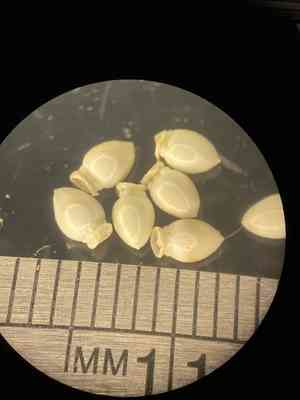
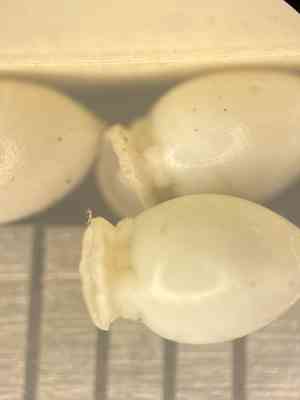
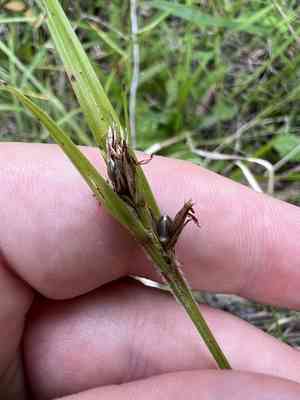
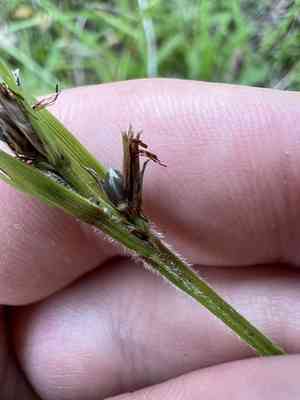
Quickly Identify Littlehead nutrush
1
Scleria oligantha can be identified by its narrow leaves, triangular stems, and clumped growth habit. It produces small, inconspicuous flowers and nutlets.
Scientific Classification of Littlehead nutrush
Phylum
Vascular plants
Class
Monocotyledons
Order
Poales
Family
Sedge
Genus
Nutrushes
Species
Littlehead nutrush
Planting and Growing of Littlehead nutrush
Care Difficulty
Hard
Watering Schedule
Every 2 days
Sunlight Requirements
Partial sun
Sunshine Duration
4-8 hours
Ideal Temperature
65-77℉
Soil Type
Potting Mix, Peat Mix
Soil pH
6.5-7.5
Fertilizer Type
Balanced
Pruning Season
Spring, Summer
Pruning Area
Leaves, Branches
Pruning Frequency
Once a year
Repotting Season
Spring
Pot Type
Plastic, Ceramic
 How to Water Littlehead nutrush?
Scleria oligantha requires moderate watering, around 200ml per session. Ensure the soil is moist but not waterlogged, allowing the top inch to dry before the next watering. This balance keeps the roots healthy.
What are the symptoms of an underwatered Littlehead nutrush?
›
What should I do if my Littlehead nutrush is not getting enough water?
›
What are the symptoms of an overwatered Littlehead nutrush?
›
How to save an overwatered Littlehead nutrush?
›
 What Are the Sunlight Requirements for Littlehead nutrush?
Partial sun exposure, with 4-6 hours of moderate light, offers Scleria oligantha the best conditions for optimal growth and health.
What is the ideal lighting condition?
›
How can I achieve the ideal lighting?
›
What are the benefits of ideal lighting conditions?
›
 What Is the Ideal Temperature Range for Littlehead nutrush?
The optimal temperature range for cultivating Scleria oligantha is between 65°F and 77°F. In these conditions, the plant can thrive effectively as temperatures neither fall too low nor rise too high, providing a stable environment for good growth.
 What Soil is Best for Littlehead nutrush?
Scleria oligantha thrives in nutrient-rich soil that provides essential nutrients for its growth. A fertile soil ensures robust growth, healthy foliage, and increased resilience against pests. Good drainage is crucial for Scleria oligantha to prevent root rot and other moisture-related issues. It allows excess water to escape, preventing waterlogged conditions that can suffocate roots. This plant prefers soil that retains moisture yet drains well. Consistent moisture levels are vital to support its hydration needs without risking drowning or dehydration.
 How to Fertilize Littlehead nutrush?
For Scleria oligantha, ensure that the liquid fertilizer is diluted to half-strength for monthly applications. Each application should be enough to moisten the soil without leaving excess runoff. This approach prevents over-fertilization, which can harm the plant's roots.
 How to Prune Littlehead nutrush?
Begin by inspecting the plant for any dead, damaged, or discolored leaves. Removing these parts helps maintain the overall health and aesthetics of the plant. Cut back overgrown branches to maintain a desired shape or size, which will also encourage a more bushy and full growth pattern. When cutting, make sure to prune just above a node or a leaf joint to encourage new growth and avoid dieback.
More About Pruning Techniques→
 How to Propagate Littlehead nutrush plant?
1
Gather mature seeds from the parent plant or select healthy sections for division. If using seeds, make sure they are clean and dry. For divisions, choose sections with a strong root system to encourage growth.
2
Sow seeds in a prepared seed tray with a well-drained potting mix. For divisions, plant them into soil that has been enriched with organic matter to provide necessary nutrients.
3
Water the seeds or divisions thoroughly after planting. Keep the medium consistently moist but not waterlogged to avoid rot, especially crucial in the early stages.
 How to Repot Littlehead nutrush plant?
1
Scleria oligantha shows signs like roots growing out of the drainage holes or becoming root-bound, which signal the need for repotting. Ideally, repot when you notice slower growth and reduced vigor. The best time is during its active growth phase in spring or early summer, ensuring that the plant can quickly acclimate to the new environment.
2
Select a pot that is 1-2 inches larger in diameter than the current one, with good drainage holes to prevent waterlogging. Using a slightly larger pot encourages healthy growing roots while preventing excessive soil moisture that can lead to root rot. A well-chosen pot material such as terracotta allows for breathability, promoting a healthy aerated root system.
3
Opt for a well-draining, sandy soil mix to mimic its natural habitat. This type of soil allows quick water drainage, reducing the risk of root rot. The gritty texture also ensures air circulation within the soil, which is essential for root health and growth. A balanced mix of sand, perlite, and organic matter provides optimal conditions for Scleria oligantha.
Learn More About Littlehead nutrush Diseases
Anthracnose
Bacterial Leaf Spot
Bacterial Soft Rot
Bacterial Wilt
Chemical Injury
Damping-off
Downy Mildew
Drought Stress
Fusarium Wilt
Gray Mold
Leaf Spot
Mosaic
Nutrient Deficiency
Nutrient Toxicity
Powdery Mildew
Root Rot
Root-knot Nematode
Rusts
Sooty Mold
Spider Mites
Temperature Stress
Thrips Damage
White Mold



