How to Prune Littlehead nutrush?
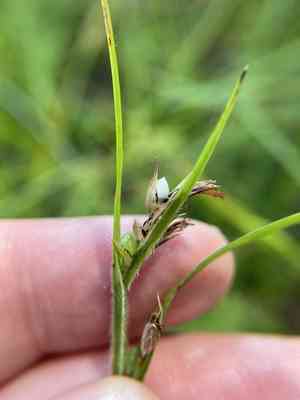
Scleria triglomerata, recognized by its diminutive, nut-like seed clusters, flourishes with infrequent trimming. The most suitable period for trimming is in early spring or during winter, coinciding with its developmental phase. Concentrate on excising any lifeless or compromised stalks to foster robust new development. Trimming additionally aids in preserving its dense form and facilitates improved air movement, thereby diminishing the potential for ailments. Consistent trimming guarantees energetic growth and elevates the general visual attractiveness of Scleria triglomerata.
What Are the Benefits of Pruning Littlehead Nutrush?
What Are the Benefits of Pruning Littlehead Nutrush?
Littlehead nutrush benefits from trimming by promoting robust development and maintaining its form. Pruning aids in fostering healthy growth, managing size, resisting pests and diseases, and enhancing overall appearance.
What Is the Best Time for Pruning Littlehead Nutrush?
What Is the Best Time for Pruning Littlehead Nutrush?
Trimming or cutting littlehead nutrush in early spring and winter is ideal as it prepares the plant for the upcoming growing season, minimizes stress during its dormant phase, and helps encourage healthier development. Early spring pruning allows the plant to focus its energy on new growth and reduces the risk of disease or pest infestation. Winter pruning takes advantage of littlehead nutrush's dormant period, making it easier to shape and control its size without impacting its overall health or flowering periods.
What Tools Do I Need to Prune Littlehead Nutrush?
Hand Pruners
These are crucial for making clean cuts on slender stems and small branches. They are perfect for the precise work required for littlehead nutrush.
Bypass Loppers
Useful for reaching deeper sections of denser growth and cutting moderately thick stems, which may be necessary for maintaining larger clusters of littlehead nutrush.
Pruning Shears
Excellent for shaping and trimming multiple stems simultaneously, helping manage the overall form and size of littlehead nutrush.
Pruning Saw
Handy for cutting through any thicker, more established stems or dead wood in mature groupings of littlehead nutrush.
Gloves
Important for protecting hands from any sharp edges or rough surfaces, ensuring a safer trimming process for littlehead nutrush.
How to Prune Littlehead Nutrush
Assess
Examine littlehead nutrush for any indications of diseased or withered foliage. Ensure a thorough inspection of the entire plant to identify all parts that require trimming.
Prepare
Sanitize pruning tools with a disinfectant solution to prevent the spread of illness. This ensures a clean cut and reduces the risk of infection.
Trim diseased
Carefully remove all diseased leaves by cutting as close to the base of the leaf stem as possible without harming the main stem. Dispose of these leaves immediately to prevent disease spread.
Trim withered
Prune away any withered leaves in the same manner as diseased leaves, cutting close to the base. Ensure the plant looks healthy and no dead material remains.
Inspect again
Reassess littlehead nutrush to ensure all diseased and withered leaves are removed. Clean up any fallen debris around the base of the plant to maintain a healthy growing environment.
Common Pruning Mistakes with Littlehead Nutrush
Over-pruning
Removing too much of the plant at once can stress littlehead nutrush, impede its growth, and potentially lead to plant death.
Improper tools
Using dull or dirty trimming tools can cause damage to littlehead nutrush, creating jagged cuts that are more vulnerable to disease.
Pruning at wrong points
Cutting at random spots instead of just above a node or bud can result in poor regrowth or misshapen plants.
Ignoring dead or diseased parts
Failing to remove dead or diseased foliage can lead to the spread of pathogens within littlehead nutrush.
Incorrect pruning techniques
Snapping or tearing branches instead of making clean cuts can cause serious injury to littlehead nutrush.
Common Pruning Tips for Littlehead Nutrush
Use sharp, clean tools
Ensure your trimming shears or scissors are sharp and disinfected to make precise cuts and avoid spreading disease.
Remove dead or diseased growth
Regularly inspect littlehead nutrush and promptly remove any dead or diseased parts to maintain overall plant health.
Prune above nodes or buds
When cutting stems, always prune just above a node or bud to encourage healthy new growth.
Be gentle with young plants
For younger littlehead nutrush, be conservative with the amount of trimming to avoid stunting their development.
Shape the plant gradually
If aiming to shape littlehead nutrush, do so gradually over several trimming sessions rather than all at once to avoid stressing the plant.



