How to Transplant Rufous bulrush?
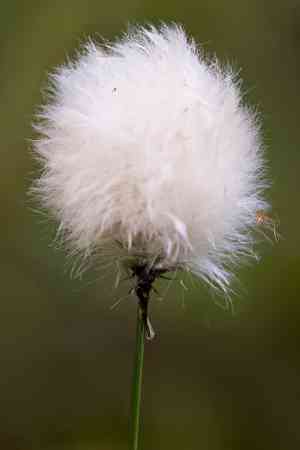
For rufous bulrush, the ideal period for relocation is from late spring to early summer, facilitating root development. Select a damp, sun-drenched location to replicate their native environment, guaranteeing these resilient plants flourish after being moved.
What Preparations are Needed Before Transplanting Rufous Bulrush?
What is the Ideal Time for Transplanting Rufous Bulrush?
The optimal period for moving rufous bulrush is from late spring to early summer. This timing allows rufous bulrush to adapt to its new environment with mild temperatures and sufficient growth time before winter dormancy. Choosing this season utilizes natural growth cycles, ensuring rufous bulrush establishes roots well and flourishes, bringing vibrancy to your garden.
How Much Space Should You Leave Between Rufous Bulrush Plants?
When planting rufous bulrush, aim for ample room by maintaining a distance of 18-24 inches (45-60 cm) between each specimen. This ensures they have space to thrive and do not compete for nutrients and sunlight.
What is the Best Soil Mix for Rufous Bulrush Transplanting?
Your rufous bulrush will flourish in well-drained soil rich in organic matter. Before planting, incorporate some compost and a balanced, slow-release fertilizer to provide rufous bulrush with the necessary nutrients for robust growth.
Where Should You Relocate Your Rufous Bulrush?
Select a location for your rufous bulrush that receives full sun to partial shade. This plant loves sunlight but also performs well with some afternoon shade. The perfect spot gets natural light for most of the day but is protected from intense late-day sun.
What Equipments Should You Prepare Before Transplantation Rufous Bulrush?
Gardening Gloves
To shield your hands while handling soil and plants.
Shovel or Spade
For excavating the plant and preparing the new planting site.
Hand Trowel
Useful for managing smaller plants or in confined areas.
Watering Can or Hose
To hydrate the plant before and after relocation.
Wheelbarrow or Garden Cart
To move rufous bulrush if it is large or if there are multiple specimens.
Pruning Shears
To trim any damaged or broken roots or foliage.
Mulch
To help maintain soil moisture and regulate temperature around the new planting area.
How Do You Remove Rufous Bulrush from the Soil?
How Do You Remove Rufous Bulrush from the Soil?
From Ground: First, moisten the soil around the rufous bulrush plant. This will reduce stress on the roots during the transplanting process. Using a shovel or spade, dig a wide circle around the plant, being as generous as possible to keep the root ball intact. Slide the shovel under the root ball, and carefully lift the rufous bulrush from the ground, taking care not to harm the roots.From Pot: Begin by watering the rufous bulrush to ensure the soil is damp. Gently tap the sides of the pot to loosen the contents. Turn the pot sideways and carefully slide the plant out by holding the base of the plant, not the stems. Examine the root ball and gently untangle any circling roots with your fingers or pruning shears.From Seedling Tray: Water the seedlings to dampen the soil, facilitating removal. Gently push the seedling from the bottom of the tray or use a hand trowel to lift it out, ensuring you extract the entire root ball. Handle the seedling with care to prevent damage to the delicate roots and leaves.
Step-by-Step Guide for Transplanting Rufous Bulrush
Preparation
Ensure the new site is ready for rufous bulrush; the hole should be dug to twice the width of the root ball and the same depth. Place the excavated soil on a tarp for easy cleanup.
Root Inspection
Before planting, examine the root ball of rufous bulrush for any dead, broken, or tangled roots and trim as needed with pruning shears.
Planting
Lower rufous bulrush into the prepared hole, ensuring the top of the root ball is level with the surrounding ground. Backfill the hole with the removed soil, gently firming it to eliminate air pockets.
Watering
Water rufous bulrush thoroughly after planting to settle the soil around the roots and remove air pockets. This will also help reduce transplant shock.
Mulching
Apply a layer of mulch around the base of rufous bulrush, but avoid piling it against the stems to prevent rot. This will help to conserve moisture and regulate soil temperature.
How Do You Care For Rufous Bulrush After Transplanting?
Watering
Maintain a consistent watering schedule to keep the soil around rufous bulrush continuously moist, but not waterlogged, especially during the initial growing season.
Stabilizing
If rufous bulrush is tall or exposed to strong winds, consider staking it to provide support until the roots become established.
Monitoring
Regularly inspect rufous bulrush for signs of stress, such as wilting or discolored leaves, and adjust care as necessary.
Protecting
Guard against pests and diseases by watching for any signs of trouble and taking prompt action.
Pruning
Trim any dead or damaged foliage to encourage healthy growth and to maintain the shape of your rufous bulrush.
Troubleshooting Common Issues with Rufous Bulrush Transplantation.
What's the best time to transplant rufous bulrush?
Optimal transplanting for rufous bulrush occurs in the mild temperatures of late spring to early summer.
How far apart should I space rufous bulrush when transplanting?
For rufous bulrush, ensure a generous spacing of 18-24 inches (45-60 cm) apart for ideal growth.
What soil conditions favor rufous bulrush transplantation?
Enrich your garden with moist, well-draining soil to comfortably accommodate rufous bulrush roots.
How should I water rufous bulrush after transplanting?
Keep the soil consistently moist, providing rufous bulrush with regular hydration without overwatering.
What sunlight conditions are best for rufous bulrush post-transplant?
Plant rufous bulrush in a location where it can enjoy full sun to partial shade.
How deep should I plant rufous bulrush's roots when transplanting?
Bury the roots of rufous bulrush snugly, no deeper than they were in their previous container.
Can I fertilize rufous bulrush after transplanting?
A light application of slow-release fertilizer can provide a welcoming boost for rufous bulrush in its new spot.
How do I protect rufous bulrush from transplant shock?
Maintain a stable environment, avoiding extremes; a little tender loving care greatly benefits rufous bulrush.
Should I prune rufous bulrush when transplanting?
Prune sparingly, if at all. Rufous bulrush prefers to retain its foliage while settling in.
Is mulching beneficial for rufous bulrush after transplanting?
A protective layer of mulch can conserve moisture and comfort rufous bulrush's roots in their new location.



