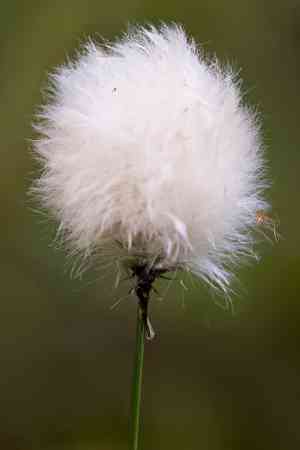
Rufous bulrush (Scirpus pendulus)
Also known as: Nodding bulrush, Pendulous bulsedge
Rufous bulrush (*Scirpus pendulus*) is a grasslike plant commonly found in moist environments such as riverbanks and ditches. It plays a crucial role in the diet of various beetles, insects, and waterfowl, including ducks, Canada geese, and trumpeter swans, which consume its seeds. One distinctive feature of this bulrush is the prominent green central veins on its floral scales, setting it apart from other similar species.
In This Article
Attributes of Rufous bulrush
Lifespan
Perennial
Plant Type
Herb
Plant Height
61 cm to 1.2 m
Spread
N/A - Herbaceous plant with no crown
Leaf Color
Green
Flower Size
Small, less than 1 cm
Flower Color
White Yellow Brown
Images of Rufous bulrush
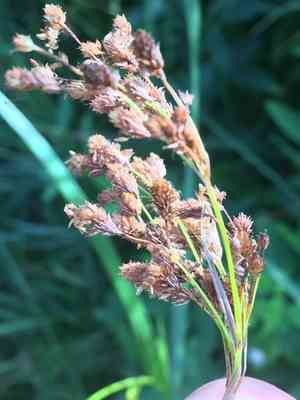
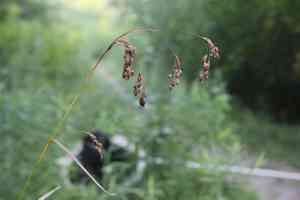
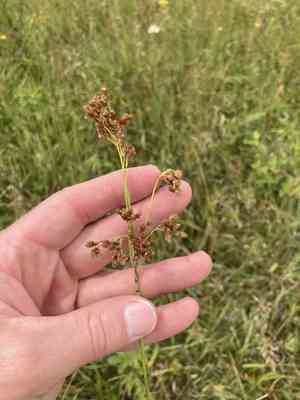
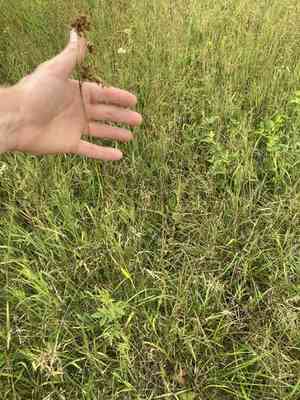
Quickly Identify Rufous bulrush
1
To identify Scirpus pendulus, look for its distinctive drooping flower spikes, which can sometimes be reddish-brown. The stems are usually triangular in cross-section and leaves are long and grass-like.
Scientific Classification of Rufous bulrush
Phylum
Vascular plants
Class
Monocotyledons
Order
Poales
Family
Sedge
Genus
Club-rushes
Species
Rufous bulrush
Planting and Growing of Rufous bulrush
Care Difficulty
Easy
Watering Schedule
Every 8 days
Sunlight Requirements
Full sun
Sunshine Duration
4-6 hours
Ideal Temperature
60-75℉
Soil Type
Potting Mix, Peat Mix
Soil pH
6.5-7.5
Fertilizer Type
Balanced
Pruning Season
Spring, Summer
Pruning Area
Branches, Leaves
Pruning Frequency
2 times a year
Repotting Season
Spring
Pot Type
Plastic, Ceramic
 How to Water Rufous bulrush?
Scirpus pendulus thrives with about 500ml of water per session. Ensure the soil is thoroughly soaked, but excess water should be able to drain away to prevent root rot. Water it enough to moisten the top 2-3 inches of soil.
What are the symptoms of an underwatered Rufous bulrush?
›
What should I do if my Rufous bulrush is not getting enough water?
›
What are the symptoms of an overwatered Rufous bulrush?
›
How to save an overwatered Rufous bulrush?
›
 What Are the Sunlight Requirements for Rufous bulrush?
Scirpus pendulus thrives under full to partial sunlight, enhancing its natural growth habits by providing energy for photosynthesis, thus promoting lush foliage.
Solution for Ideal Lighting
›
How to Ensure Adequate Light
›
Benefits of Optimal Light
›
 What Is the Ideal Temperature Range for Rufous bulrush?
The ideal temperature range for growing Scirpus pendulus lies between 60°F and 75°F. This range provides optimal conditions for the plant’s growth and overall health, ensuring it can photosynthesize effectively and maintain a strong structure. Maintaining this moderate temperature helps simulate the plant's natural environment, leading to vibrant growth and improved resilience against pests and diseases.
 What Soil is Best for Rufous bulrush?
Scirpus pendulus thrives in well-drained soil conditions. This is crucial for the plant as it prevents root rot and allows the roots to access necessary oxygen. Well-drained soil facilitates healthy growth and longevity of the plant. The plant requires soil that can retain adequate moisture. This ensures that Scirpus pendulus has consistent access to water, particularly during dry spells, which is essential for its growth and development. A nutrient-rich soil is ideal for Scirpus pendulus. The presence of essential nutrients supports robust growth, flowering, and resistance to diseases, making it an optimal choice for plantation.
 How to Fertilize Rufous bulrush?
When fertilizing Scirpus pendulus, it is essential to use a balanced liquid fertilizer diluted to half strength to prevent harm. For liquid fertilizers, apply approximately 1/4 cup per plant. For slow-release fertilizers, lightly top-dress the soil with about 1 tablespoon around the plant's base.
 How to Prune Rufous bulrush?
Start by closely examining your plant for any dead or discolored stems. These should be the first to go as they can attract pests and diseases if left unattended. Trim back any overgrown stems to maintain the plant's shape and prevent overcrowding. Make your cuts just above a node to encourage new growth in the right direction. If your Scirpus pendulus has already flowered, remove spent flower stems. This encourages the plant to redirect its energy towards producing new, vigorous growth.
More About Pruning Techniques→
 How to Propagate Rufous bulrush plant?
1
Fill the seed tray with a well-draining seed starting mix. Sow the seeds evenly and lightly cover them with a thin layer of soil. Mist the surface to keep it moist but not waterlogged. Place the tray in a warm, bright location.
2
During spring, use a garden spade to carefully dig out the plant. Shake off excess soil and gently pull apart or cut the rhizomes into sections, ensuring each section has roots and shoots. Plant the divisions in prepared soil promptly.
3
Water the sown seeds or newly planted divisions thoroughly. Ensure they receive adequate sunlight and are protected from harsh environmental conditions. Monitor the moisture levels regularly to support growth.
 How to Repot Rufous bulrush plant?
1
Repot your Scirpus pendulus when you notice roots starting to circle the pot or grow through drainage holes. Rapidly developing roots typically occur in spring or early summer, signaling the necessity for more space. Additionally, slower growth or frequent drying of the soil can indicate a repot is overdue. Recognizing these signs allows the plant to enjoy robust health and steady growth.
2
Select a pot that is 1-2 inches larger in diameter than the current one, with adequate drainage holes to prevent waterlogging. Consider using a breathable terracotta pot, which permits better air circulation for the roots and helps deter root rot. The right pot ensures the roots can expand freely, offering the best growth potential for the plant.
3
Opt for a soil mix that maintains moisture yet is well-draining. Combining sandy loam with organic matter will keep the roots hydrated while avoiding sogginess. The ideal soil prevents nutrient leaching, supports root health, and ensures the plant remains lush and vibrant throughout its growth cycle.
Learn More About Rufous bulrush Diseases
Anthracnose
Bacterial Leaf Spot
Bacterial Soft Rot
Bacterial Wilt
Chemical Injury
Damping-off
Downy Mildew
Drought Stress
Fusarium Wilt
Gray Mold
Leaf Spot
Mosaic
Nutrient Deficiency
Nutrient Toxicity
Powdery Mildew
Root Rot
Root-knot Nematode
Rusts
Sooty Mold
Spider Mites
Temperature Stress
Thrips Damage
White Mold



