How to Prune Rufous bulrush?
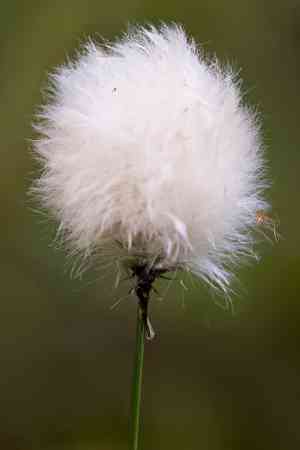
A marshland plant, rufous bulrush is distinguished by its elevated, grassy look and reddish coloration. In spring, remove any withered or discolored leaves from the base to foster robust development. Summer is perfect for cutting back sprawling sections to preserve its form. Consistent trimming enhances air circulation, lowers the chance of illness, and manages expansion. Employ sanitized, keen implements for incisions to avert harm and potential contamination.
Advantages of Trimming Rufous Bulrush
Advantages of Trimming Rufous Bulrush
Trimming rufous bulrush encourages robust development and helps maintain a desired form. Regular cutting ensures the plant stays healthy and visually appealing, while potentially lowering the risk of pest and disease problems.
Optimal Time for Pruning Rufous Bulrush
Optimal Time for Pruning Rufous Bulrush
Pruning rufous bulrush in Spring is ideal as it marks the beginning of the active growth period, supporting strong development and healing from cuts. Early Summer pruning is also effective when rufous bulrush reaches maturity, allowing energy to be directed to new growth after trimming. These seasons enable gardeners to shape the plant, manage its size, and remove dead or damaged stems without negatively impacting its health or flowering cycle. Additionally, pruning before the intense heat of late summer reduces stress on rufous bulrush and ensures ample recovery time before winter dormancy.
Tools Required for Pruning Rufous Bulrush
Hand Pruners
Perfect for cutting through the slender stems of rufous bulrush. Sharp bypass pruners create clean cuts that promote healthy regrowth.
Shears
Suitable for trimming and shaping rufous bulrush's foliage in bulk, especially when dealing with numerous plants or large clusters.
Gardening Gloves
Offer protection from rufous bulrush's rough edges and potential skin irritants during pruning.
Pruning Saw
Useful for thicker, woodier stems that may be found in more mature stands of rufous bulrush, where hand pruners are insufficient.
Long-Handled Loppers
Provide increased leverage and reach for pruning thicker stems or hard-to-access parts of rufous bulrush without strain.
How to Prune Rufous Bulrush
Cleaning
Before beginning the pruning process, clean and sanitize all pruning tools to prevent disease transmission. Wipe the blades with a solution of 1 part bleach to 9 parts water or use an alcohol wipe.
Identification
Carefully inspect rufous bulrush to identify diseased leaves, withered leaves, and diseased stems. Look for any discoloration, spots, or signs of fungal infection indicating poor health.
Pruning diseased leaves
Using sharp, clean pruning shears, carefully remove all diseased leaves from rufous bulrush. Make cuts at the base of the leaf where it connects to the stem, avoiding damage to healthy tissue.
Pruning withered leaves
Remove withered leaves by cutting them at the base to maintain the aesthetic appeal of rufous bulrush and to redirect energy to healthy growth. Ensure cuts are clean to facilitate quick healing.
Pruning diseased stems
Prune diseased stems by cutting several inches below the affected area, ensuring all diseased sections are removed. Properly dispose of all diseased material to prevent reinfection.
Common Pruning Errors with Rufous Bulrush
Over-pruning
Removing excessive foliage from rufous bulrush can stress the plant, leading to weak growth or even plant death. A common mistake is cutting back more than one-third of the plant in a single pruning session.
Improper tool usage
Using dull or unclean pruning tools when trimming rufous bulrush can result in jagged cuts that are vulnerable to disease and pest infestations. It's crucial to use sharp, sterilized pruning shears.
Indiscriminate cutting
Randomly cutting stems without considering rufous bulrush's growth pattern can lead to an unbalanced and unattractive appearance. Precise cuts should be made to preserve the plant’s natural form.
Ignoring dead material
Failing to remove dead or dying foliage from rufous bulrush not only impacts its appearance but can also hinder new growth and potentially encourage disease.
General Pruning Advice for Rufous Bulrush
Selective thinning
For rufous bulrush, selectively thin out stems by removing them at the base to promote better air circulation and light penetration, while maintaining the plant's natural look.
Targeted pruning
Focus on cutting back stems that are significantly longer than others to preserve the graceful, pendulous form of rufous bulrush. Avoid cutting into the crown of the plant unless removing dead material.
Post-bloom trimming
If rufous bulrush is grown for ornamental seed heads, prune carefully after flowering to shape the plant and remove spent blooms, which can encourage a neater appearance.
Sterilization
Before pruning rufous bulrush, sterilize all tools with a bleach or alcohol solution to prevent the spread of disease between plants or from previously pruned materials.



