The Rufous bulrush Plant Advantage: Maximizing Home and Office Appeal and Wellness
1
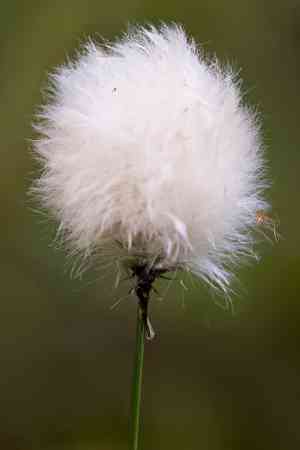
The rufous bulrush is a hardy water plant that flourishes in marshy areas.
2
It offers vital shelter and sustenance for various animals.
3
This bulrush is key to cleaning water and preventing soil erosion.
What Are the Ecological Benefits of Rufous bulrush?
Habitat Creation and Support
A primary ecological advantage of Rufous bulrush is its capacity to establish and sustain environments for a diverse range of animal species. Birds, insects, and small mammals find shelter and sustenance within the dense clumps and cover this plant offers. The sturdy structure of Rufous bulrush provides nesting materials and secure refuges for birds, while its preferred waterlogged habitat supports varied aquatic life. The presence of Rufous bulrush aids in maintaining a balanced and healthy wetland ecosystem, contributing to biodiversity and the welfare of numerous species.
Nutrient Cycling and Water Quality
Another crucial ecological benefit of Rufous bulrush lies in its function in nutrient circulation and water quality improvement. This plant acts as a biological filter, absorbing contaminants like nitrogen and phosphorus from the water. By doing so, Rufous bulrush helps prevent detrimental algal blooms and ensures clearer, cleaner water in wetland regions. Furthermore, the root systems of Rufous bulrush stabilize the soil, reducing erosion and sediment accumulation, ultimately safeguarding water bodies from excessive siltation and pollution.
How Does Rufous bulrush Contribute to Soil Stabilization?
Root Structure and Soil Integrity
The complex root system of Rufous bulrush is highly effective at binding soil particles together, significantly decreasing soil erosion. In wetland areas where water currents can be unpredictable and strong, the roots of Rufous bulrush help preserve the soil's structural integrity. This stabilizing effect is vital for conserving the landscape, preventing the loss of valuable soil, and maintaining the overall health of the wetland environment. By holding soil in place, Rufous bulrush contributes to the long-term sustainability of wetland ecosystems.
Benefits for Agriculture and Urban Planning
Beyond its natural habitat, Rufous bulrush offers valuable advantages in agricultural and urban development contexts. When utilized in constructed wetlands or riparian buffer zones, Rufous bulrush can assist in managing stormwater runoff and lessening the impact of flooding in urban areas. For farming, the soil-stabilizing properties of Rufous bulrush can lead to reduced soil degradation and increased land productivity. This adaptability makes Rufous bulrush a versatile ally in sustainable land management practices.
What Role Does Rufous bulrush Play in Water Purification?
Natural Filtration of Pollutants
Rufous bulrush excels in natural water purification due to its strong filtering capabilities. Its roots absorb contaminants and excess nutrients, preventing these harmful substances from entering larger water systems. This filtration process is essential for maintaining the health of aquatic habitats and ensuring clean water for various uses. The plant's ability to purify water makes it an invaluable component in natural and engineered wetlands designed for treatment purposes.
Enhancing Water Quality for Wildlife
Clean water is crucial for the survival and well-being of all aquatic organisms. By filtering out pollutants and regulating nutrient levels, Rufous bulrush creates a more hospitable environment for fish, amphibians, and invertebrates. Improved water quality leads to healthier populations of these species, further boosting the biodiversity and resilience of wetland ecosystems. Rufous bulrush's role in water purification highlights its importance in sustaining vibrant, thriving habitats.
Can Rufous bulrush Be Used for Decorative and Practical Landscaping?
Aesthetic Appeal in Landscapes
Rufous bulrush is not only functional but also visually pleasing, making it a popular choice for ornamental landscaping in gardens and urban green spaces. The plant's elegant appearance and the lush greenery it provides can enhance the aesthetic value of various landscapes. Whether around ponds, along the edges of water features, or integrated into wetland gardens, Rufous bulrush can add a touch of natural beauty and tranquility to any outdoor space.
Practical Uses in Landscape Design
In practical terms, Rufous bulrush serves as an effective tool in landscape design for mitigating erosion and managing water flow. Its ability to thrive in wet conditions makes it suitable for rain gardens, bioswales, and other landscaping elements designed to handle excess water. By incorporating Rufous bulrush into these designs, landscapers can achieve both functional and aesthetic goals, creating sustainable and attractive environments that benefit both humans and wildlife.



