How to Transplant Yellowshrub?
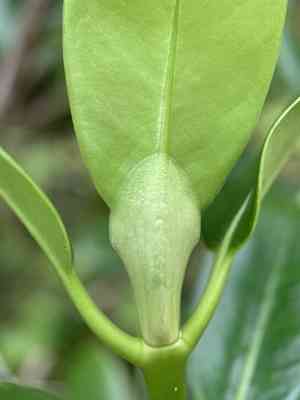
Yellowshrub flourishes most effectively when relocated during the mild, consistent conditions of late fall and early winter. Select a sheltered spot with adequately draining earth for peak development, ensuring minimal disruption to the root system for a successful establishment.
Necessary Preparations Before Moving Yellowshrub?
Optimal Period for Relocating Yellowshrub?
The best seasons for moving yellowshrub are late spring and early summer. During these times, environmental factors like ground temperature and moisture levels are ideal for root establishment. Relocating yellowshrub then minimizes transplant shock, encourages robust growth, and ensures the plant is well-settled before the more extreme temperatures of summer and winter.
Required Spacing Between Yellowshrub Specimens?
When relocating yellowshrub, position them 2-3 feet (60-90 cm) apart. This provides ample room for growth and ensures adequate air circulation.
Ideal Soil Blend for Yellowshrub Relocation?
Prepare well-draining soil rich in organic matter for yellowshrub. Incorporate a phosphorus-rich base fertilizer to aid root development. A mix of compost and slow-release granular fertilizer is effective.
Recommended New Location for Your Yellowshrub?
Place yellowshrub where it will receive partial to full sunlight, ideally with morning sun and afternoon shade. This helps the plant thrive without excessive heat stress.
Equipment to Prepare Before Relocating Yellowshrub?
Gardening Gloves
To safeguard your hands while handling soil and the plant.
Shovel or Spade
For excavating around the plant and creating the new planting site.
Hand Trowel
Useful for carefully working near the plant's root system.
Watering Can or Hose
To hydrate the plant before and after its relocation.
Pruning Shears
For trimming any damaged or overly long roots.
Mulch
To help retain moisture and stabilize soil temperature around the relocated yellowshrub.
Stakes and Ties
To support the plant if its stem is tall or weak.
How to Extract Yellowshrub from the Ground?
How to Extract Yellowshrub from the Ground?
From Ground: First, moisten the yellowshrub plant by watering the soil. Next, dig a wide trench around the plant using a shovel or spade, ensuring the plant's root ball remains intact. Carefully work the spade beneath the root ball to lift the plant from its original spot.From Pot: Water the yellowshrub plant thoroughly to make the soil easier to manage. Gently tap the sides and bottom of the pot to loosen the soil. Carefully slide the plant out, supporting the root ball with your hands.From Seedling Tray: Water the seedlings well before removal. Use a hand trowel or small spoon to gently lift each yellowshrub seedling from the tray, aiming to keep as much soil around the roots as possible.
Step-by-Step Instructions for Relocating Yellowshrub
Location Selection
Choose a spot with adequate sunlight and room for your yellowshrub plant to reach its mature size.
Prepare the Planting Hole
Dig a hole that is twice as wide and as deep as the yellowshrub's root ball. This allows roots to spread and grow.
Improve the Soil
Incorporate compost or organic material to enhance soil fertility and structure.
Remove the Plant
Follow the appropriate method to extract the yellowshrub from its initial location, minimizing root disturbance.
Planting
Place the yellowshrub into the hole, positioning it at the same depth as it was previously. Fill around the root ball with soil, pressing gently to eliminate air pockets.
Water Thoroughly
Water the newly relocated yellowshrub extensively to help settle the soil around the roots and remove any remaining air pockets.
Apply Mulch
Spread a layer of mulch around the base of the yellowshrub to help retain moisture and suppress weeds. Keep mulch a few inches away from the stem to prevent rot.
Provide Support if Needed
If the yellowshrub is tall or has a weak stem, use stakes and ties for support until it establishes strong roots.
Post-Relocation Care for Yellowshrub?
Watering
Keep the soil around the yellowshrub consistently moist, but not waterlogged, for the initial weeks after relocation to aid in root establishment.
Monitoring
Regularly inspect the yellowshrub for signs of stress like wilting or yellowing leaves, and adjust care as necessary.
Pest Control
Watch for any pests or disease symptoms and treat promptly to prevent damage to the newly relocated yellowshrub.
Trimming
Prune any dead or damaged parts of the yellowshrub to encourage healthy growth.
Feeding
Once the yellowshrub shows signs of new growth, consider a balanced, slow-release fertilizer to support its continued development.
Resolving Common Issues with Yellowshrub Relocation.
When is the best time to relocate yellowshrub?
Ideally, move yellowshrub during late spring, early summer, late fall, or early winter.
How much space should I leave between yellowshrub plants?
Ensure 2-3 feet (60-90 cm) of spacing between each yellowshrub plant for optimal growth.
How should I prepare the soil before relocating yellowshrub?
Loosen the soil and mix in compost to improve drainage and nutrient content.
What should I do if the leaves of yellowshrub turn yellow after relocating?
Ensure proper watering and avoid overwatering. Check for pests or nutrient deficiencies.
How can I protect newly relocated yellowshrub from extreme weather?
Use mulch to regulate soil temperature and retain moisture. Provide temporary shade if necessary.
What is the best way to water yellowshrub after relocating?
Water thoroughly but avoid waterlogging. Keep the soil moist but not soggy.
How deep should I plant yellowshrub during relocation?
Plant yellowshrub at the same depth it was growing previously to avoid stress.
What should I do if yellowshrub wilts after relocating?
Ensure it gets enough water and shade to recover from transplant shock.
Can I fertilize yellowshrub immediately after relocating?
Wait a few weeks before fertilizing to allow yellowshrub to establish its roots.
How do I prevent yellowshrub roots from getting damaged during relocating?
Gently dig around the plant and lift it with care, preserving as many roots as possible.



