How to Prune Yellowshrub?
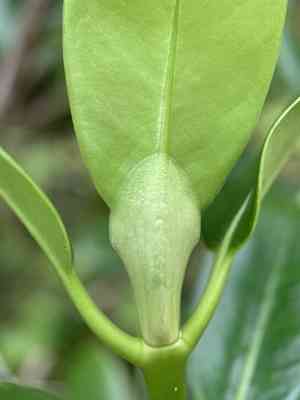
Yellowshrub is recognized for its characteristic vibrant yellow flowers and abundant green leaves. The best times for trimming are in late winter or early spring. Essential methods involve excising dead or ailing limbs, reducing dense sections to improve air movement, and sculpting the shrub to preserve its structure. Performing these cuts during these seasons corresponds with its developmental rhythm, fostering vigorous blooming and general plant well-being. Trimming also increases light exposure and diminishes insect problems, guaranteeing a lively and flourishing specimen.
Advantages of Trimming Yellowshrub
Advantages of Trimming Yellowshrub
Trimming yellowshrub encourages robust development and maintains its form, ensuring vigorous growth and improved blooming. It also aids in managing the plant's dimensions and preventing pest infestations. Regular trimming enhances overall appearance and boosts disease resistance.
Optimal Period for Trimming Yellowshrub
Optimal Period for Trimming Yellowshrub
Trimming yellowshrub in early spring or late winter is best as these seasons coincide with the plant's dormant phase, minimizing stress and reducing disease risk. During this time, yellowshrub is less active, allowing wounds to heal before rapid spring growth. Additionally, trimming before new growth starts helps shape yellowshrub and effectively manage its size, ensuring better air circulation and sunlight penetration throughout the plant.
Tools Required for Trimming Yellowshrub
Bypass Pruners
Perfect for making precise cuts on live stems and branches up to ¾ inches in diameter. These are suitable for yellowshrub as they minimize harm to plant tissues.
Lopping Shears
Useful for cutting thicker branches, typically up to 1½ inches in diameter. These provide the necessary leverage for yellowshrub's denser growth.
Pruning Saw
Essential for removing larger branches too thick for hand pruners or loppers. The saw's design allows for accurate cuts vital for maintaining yellowshrub's health.
Hand Shears
Ideal for detailed cuts and shaping the plant. These are beneficial for preserving the aesthetic form of yellowshrub.
Long-handled Pruners
These offer extended reach to access higher branches without a ladder, ensuring safe and efficient trimming of yellowshrub.
Sterilizing Solution
Crucial for cleaning tools before and after use to prevent disease spread. It's important to maintain yellowshrub's health by using sanitized equipment.
How to Trim Yellowshrub
Assess
Examine yellowshrub for any indications of diseased or withered foliage. Accurately identify affected parts to avoid unnecessary cuts.
Sanitize
Clean and disinfect pruning tools to prevent disease transmission. This step ensures yellowshrub remains healthy after trimming.
Trim diseased leaves
Carefully cut away any diseased foliage. Trim close to the branch but avoid damaging the main stem for proper healing.
Remove withered leaves
Snip off withered leaves at their base. Removing these parts helps yellowshrub direct energy towards healthy growth.
Dispose
Discard all trimmed materials away from yellowshrub to prevent potential disease spread or pest attraction. Clean the surrounding area to maintain plant health.
Common Trimming Errors with Yellowshrub
Over-pruning
Removing too much foliage at once can stress yellowshrub, leading to reduced growth and fewer blooms.
Poor cutting technique
Using dull tools or making jagged cuts can harm the plant's tissue, creating potential entry points for disease.
Trimming at the wrong time
Trimming when yellowshrub is actively growing can disrupt its growth cycle, causing stunted development or poor flowering.
Trimming too close to the bud
Cutting too near buds or growth points can damage them, preventing proper new growth formation.
Ignoring plant health
Trimming a stressed or unhealthy yellowshrub can worsen its condition, making it more susceptible to pests and diseases.
General Trimming Advice for Yellowshrub
Use sharp tools
Always use sharp, clean pruning shears to make precise cuts and minimize plant damage.
Trim selectively
Focus on removing dead, diseased, or damaged branches first to encourage healthy growth.
Cut at an angle
Make cuts at a 45-degree angle away from the bud to promote proper healing and water runoff, which helps prevent rot.
Maintain shape
Trim the plant to maintain its natural form, thinning out crowded branches to allow light and air to reach the center.
Sanitize tools
Regularly clean and disinfect pruning tools to prevent disease spread between plants.
Monitor new growth
After trimming, keep an eye on new growth to ensure the plant is recovering well and adjust care as necessary.



