How to Propagate Yellowshrub?
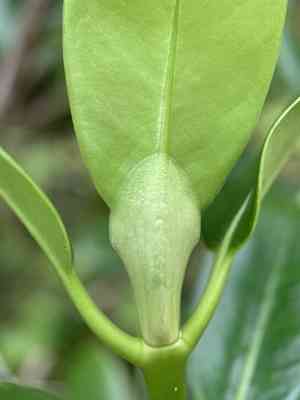
Yellowshrub is highly valued for its appealing leaves and flowers, making it a favored selection among horticulturalists. When multiplying yellowshrub via seeding, confirm that the seeds are new and embed them in soil that drains effectively. Maintain consistent moisture in the soil, avoiding saturation. Supplying a warm setting is also advantageous for stimulating sprouting. Consistent observation and careful handling of young plants will foster robust development.
Optimal Time for Yellowshrub Propagation
Propagation Method
Seeding
Propagation Period
Spring
Tools for Yellowshrub Propagation
Seed Trays
Utilized for planting seeds. Seed trays enable individual seeds to be sown separately, aiding in space management and reducing competition as yellowshrub seedlings grow.
Potting Soil Mix
A premium potting mix is crucial for supplying vital nutrients, good drainage, and adequate aeration for yellowshrub seeds to sprout and thrive.
Humidity Dome
Maintains a moist and warm environment within the seed tray, encouraging quicker germination and steady growth by preventing the soil from drying out too rapidly.
Watering Can with Fine Rose
A watering can equipped with a fine rose attachment gently irrigates the seeds without dislodging them or disturbing the soil, ensuring uniform moisture distribution for yellowshrub.
Heating Mat
Delivers consistent bottom heat to the seed trays, which is vital for promoting seed germination and supporting the growth of yellowshrub, particularly in cooler settings.
Plant Labels
Aid in tracking various seed types and planting dates, which is important for monitoring growth progress and ensuring correct identification of yellowshrub seedlings.
Seedling Transplant Tool
Facilitates the careful removal and transfer of yellowshrub seedlings from seed trays to individual pots or garden beds, minimizing root disturbance and boosting survival rates.
How to Propagate Yellowshrub?
Propagation Type
Simple
Caring for Your Newly Propagated Yellowshrub
Caring for Your Newly Propagated Yellowshrub?
Post-transplant, place yellowshrub in an area with partial shade to full sun. Water regularly to keep the soil moist but ensure proper drainage to prevent waterlogging. Fertilize monthly with a balanced, water-soluble fertilizer. Prune as needed to maintain shape and encourage bushier growth. Monitor for pests and diseases and treat accordingly to keep plants healthy.
Common Errors to Avoid When Propagating Yellowshrub
Overwatering
Excessive water can lead to root rot, which is harmful to yellowshrub's health.
Underwatering
Insufficient water can cause dehydration and impede root formation in yellowshrub.
Improper Lighting
Inadequate or excessive sunlight can stress yellowshrub, impacting its growth and propagation success.
Using Poor Soil
Substandard soil may lack essential nutrients and proper drainage, affecting yellowshrub's root development.
Neglecting Hygiene
Failing to sterilize tools or using contaminated materials can introduce diseases and pests to yellowshrub.
Wrong Cutting Technique
Incorrectly taking cuttings can harm the parent plant and reduce the chances of successful propagation.
Tips For Propagating Yellowshrub
Moderate Watering
Ensure consistent moisture but avoid waterlogging to keep yellowshrub's roots healthy.
Optimal Lighting
Provide bright, indirect sunlight to stimulate growth without causing leaf burn.
High-Quality Soil
Use well-draining, nutrient-rich soil to support yellowshrub's root development and overall health.
Sterile Tools
Always use sterilized tools and clean containers to prevent the introduction of pathogens to yellowshrub.
Correct Cuttings
Take cuttings from healthy, mature stems to enhance the success rate of yellowshrub's propagation.



