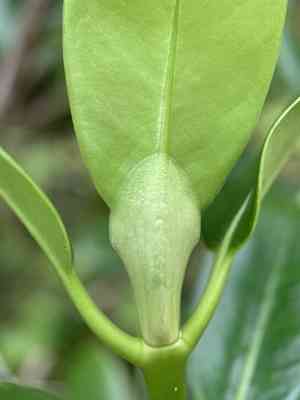
Yellowshrub (Schradera exotica)
Also known as: Exotic Schradera
Yellowshrub, a tropical perennial, thrives in shady understories of dense forests. It features glossy, deep green leaves and occasionally delicate white flowers. This hardy plant's compact growth enables it to flourish in humid, low-light environments, adding vibrant greenery to its surroundings.
In This Article
Attributes of Yellowshrub
Lifespan
Perennial
Plant Type
Herb
Plant Height
1.2 to 2 meters
Spread
0.5 to 1 meters
Leaf Color
Dark green
Flower Size
1 to 2 centimeters
Flower Color
White or light pink
Images of Yellowshrub
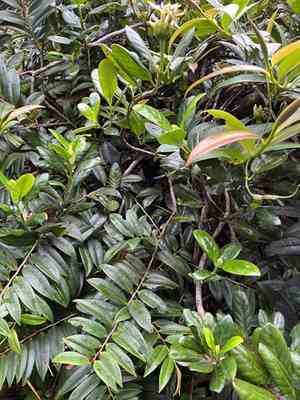
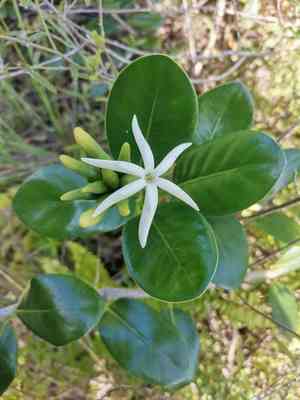
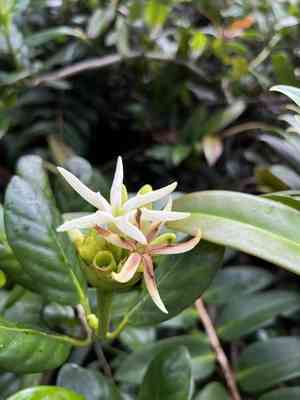
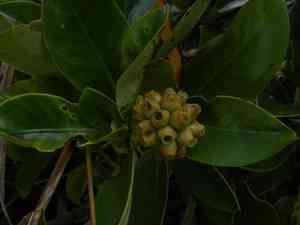
Quickly Identify Yellowshrub
1
Identify Schradera exotica by its glossy, lanceolate leaves and its small, tubular flowers that often have a striking color contrast with the foliage.
Scientific Classification of Yellowshrub
Phylum
Vascular plants
Class
Dicotyledons
Order
Gentianales
Family
Madder
Genus
Schradera
Species
Yellowshrub
Planting and Growing of Yellowshrub
Care Difficulty
Hard
Watering Schedule
Every 2 days
Sunlight Requirements
Partial sun
Sunshine Duration
6-10 hours
Ideal Temperature
65-75℉
Soil Type
Potting Mix, Peat Mix
Soil pH
6.5-7.5
Fertilizer Type
Balanced
Pruning Season
Spring, Summer
Pruning Area
Branches, Leaves
Pruning Frequency
2 times a year
Repotting Season
Spring
Pot Type
Plastic, Ceramic
 How to Water Yellowshrub?
For Schradera exotica, the ideal watering amount is around 200 milliliters per session. This plant prefers its soil to be moist but not waterlogged. You should aim to saturate the soil thoroughly, allowing the water to reach the deeper roots but ensure that any excess can drain away to prevent root rot.
What are the symptoms of an underwatered Yellowshrub?
›
What should I do if my Yellowshrub is not getting enough water?
›
What are the symptoms of an overwatered Yellowshrub?
›
How to save an overwatered Yellowshrub?
›
 What Are the Sunlight Requirements for Yellowshrub?
Schradera exotica thrives in partial sun to full shade environments. Adequate lighting fosters optimal growth and vibrant leaf coloration, while preventing stress indicators like wilting.
What is the ideal light for Schradera exotica?
›
How can we provide ideal light conditions?
›
What are the benefits of ideal lighting?
›
 What Is the Ideal Temperature Range for Yellowshrub?
For optimal growth, Schradera exotica thrives in a temperature range of 65 to 75°F. This range ensures that the plant maintains its growth rate and overall health, enabling it to develop robustly. Within this ideal range, the plant's metabolic processes function most effectively, supporting the production of necessary nutrients and cellular structures. It is crucial for the plant's photosynthesis, water regulation, and respiration to occur optimally, making this temperature range ideal for its development and survival.
 What Soil is Best for Yellowshrub?
Schradera exotica thrives in well-drained soils which allow air to circulate around its roots. This prevents waterlogging, reducing root rot risk, and promoting healthy growth by ensuring adequate oxygen and nutrient absorption. This plant appreciates nutrient-rich media which supports vigorous growth and vibrant foliage. Ample nutrients encourage lush leaves, contributing to the plant's overall aesthetic appeal, making it a centerpiece in any garden. Incorporating organic matter into the soil helps retain moisture while improving soil structure. This benefits Schradera exotica by providing a consistent moisture supply, which is crucial given its tropical origins.
 How to Fertilize Yellowshrub?
For Schradera exotica, use a balanced liquid fertilizer at half the recommended strength. Typically, about 5 ml of liquid fertilizer diluted in one liter of water works well. This promotes steady growth and ensures adequate nutrient supply without overwhelming the plant's root system.
 How to Prune Yellowshrub?
Begin by inspecting the plant for any dead or damaged leaves. Using a pair of clean, sharp pruning shears, carefully cut away these leaves at their base. This not only improves the aesthetic appearance but also prevents the plant from wasting energy on parts that are not contributing to its health. To keep Schradera exotica in an appealing form, trim back any overly long stems that disrupt its symmetry. Cut just above a leaf node or bud to encourage new growth. This regular maintenance will prevent the plant from becoming leggy and help it maintain a bushy and lush appearance.
More About Pruning Techniques→
 How to Propagate Yellowshrub plant?
1
Select healthy, non-flowering shoots approximately 10-15 cm long. Make a clean cut just below a node, removing any leaves from the lower half.
2
Sow the seeds in a well-draining soil mix. Keep them covered and in a warm, humid environment to encourage germination, which may take up to several weeks.
3
Use small sections of plant tissue placed in a sterile growth medium under controlled laboratory conditions to propagate new plants.
 How to Repot Yellowshrub plant?
1
You’ll know it’s time to repot Schradera exotica when you notice its roots circling the pot, or when water seems to drain too quickly. These signs indicate the roots need more space to grow, making repotting essential.
2
Select a pot that is one size larger than the current one. It should have drainage holes to prevent waterlogging. This ensures that the roots have enough space to expand and helps in maintaining healthy root growth.
3
Opt for a well-draining, organic-rich potting mix. Such soil supports healthy root development and provides the necessary nutrients, enhancing the plant’s growth and resilience in its new home.
Learn More About Yellowshrub Diseases
Anthracnose
Bacterial Leaf Spot
Bacterial Soft Rot
Bacterial Wilt
Black Spot
Chemical Injury
Crown Gall
Damping-off
Downy Mildew
Drought Stress
Fusarium Wilt
Gray Mold
Leaf Curl
Leaf Spot
Mosaic
Nutrient Deficiency
Nutrient Toxicity
Powdery Mildew
Root Rot
Root-knot Nematode
Rusts
Sooty Mold
Spider Mites
Temperature Stress
Thrips Damage
White Mold



