How to Transplant Wood saxifrage?
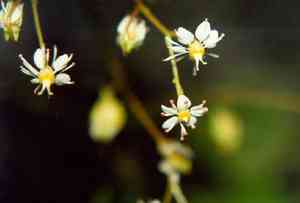
Saxifraga lignea flourishes when relocated in mid-spring, benefiting from ideal soil hydration and temperate conditions. Select a site offering partial shade and good drainage to ensure successful establishment.
What Preparations are Needed Before Transplanting Wood Saxifrage?
What is the Ideal Time for Transplanting Wood Saxifrage?
The best times for moving wood saxifrage are mid to late spring, as these periods offer perfect soil moisture and warmth for root establishment. Transplanting then allows wood saxifrage enough time to adjust before summer heat, boosting its overall health and development. Early spring preparation also reduces transplant shock and encourages robust growth.
How Much Space Should You Leave Between Wood Saxifrage Plants?
Position your wood saxifrage plants roughly 12 inches (30 cm) apart to provide ample room for growth without resource competition. This spacing promotes good air circulation and lowers disease risk.
What is the Best Soil Mix for Wood Saxifrage Transplanting?
Prepare soil that drains well for your wood saxifrage. A blend of loamy soil with organic compost will be perfect. Ensure the pH level is slightly acidic to neutral, around 6.0-7.0. Enrich the soil with a balanced base fertilizer before transplanting.
Where Should You Relocate Your Wood Saxifrage?
Select a spot that gets partial to full sunlight. Wood saxifrage thrives in shaded areas with some filtered light, making it suitable for woodland gardens or beneath the canopy of larger trees. Protect it from harsh, direct afternoon sun.
What Equipments Should You Prepare Before Transplantation Wood Saxifrage?
Gardening Gloves
To safeguard your hands while handling soil and plants.
Shovel or Spade
For digging and extracting the plant from its original spot.
Trowel
Useful for excavating smaller or more precise holes.
Watering Can or Hose
To hydrate the plant before and after relocation.
Pruning Shears
To trim any damaged roots or leaves during the process.
Compost or Organic Matter
To enrich the new planting site.
How Do You Remove Wood Saxifrage from the Soil?
How Do You Remove Wood Saxifrage from the Soil?
From Ground: First, moisten the wood saxifrage plant to dampen the soil. Then, dig a wide trench around the plant using a shovel or spade, ensuring the plant's root ball remains intact. Carefully work the spade under the root ball to lift the plant from its original location.From Pot: Water the wood saxifrage plant thoroughly. Gently tap the sides of the pot to loosen the soil. Hold the plant at its base and gently tip the pot to slide the plant out, ensuring the root ball stays intact.From Seedling Tray: Water the wood saxifrage plant well. Use a trowel or your fingers to gently loosen the soil around the seedling. Carefully lift the seedling, supporting the root ball and ensuring delicate roots are not damaged.
Step-by-Step Guide for Transplanting Wood Saxifrage
Site Preparation
Prepare the new planting location by digging a hole that is twice the width of the wood saxifrage's root ball and equally deep.
Soil Enhancement
Incorporate compost or organic material with the excavated soil to enrich the planting hole.
Plant Placement
Position the wood saxifrage into the hole, ensuring the top of the root ball is level with the surrounding soil surface.
Backfilling
Gently fill the hole with the enriched soil, firming it down as you go to remove air pockets.
Watering
Water the wood saxifrage thoroughly, making sure water reaches the deeper roots. Add more soil if it settles during watering.
How Do You Care For Wood Saxifrage After Transplanting?
Watering
Keep the soil around the wood saxifrage consistently moist, but not waterlogged, for the initial weeks after transplanting to help establish strong roots.
Mulching
Apply a layer of mulch around the base of the wood saxifrage to retain moisture and regulate soil temperature.
Monitoring
Observe the plant for signs of transplant shock, such as wilting or yellowing leaves, and provide additional care as needed.
Troubleshooting Common Issues with Wood Saxifrage Transplantation.
When is the best time to transplant wood saxifrage?
The optimal time to transplant wood saxifrage is during mid to late spring for better growth.
How far apart should I plant wood saxifrage?
Space each wood saxifrage plant about 12 inches (30 cm) apart to ensure sufficient room for growth.
What soil type is best for wood saxifrage after transplanting?
Wood saxifrage prefers well-draining, slightly acidic to neutral soil for healthy development post-transplant.
How much water does wood saxifrage need after transplanting?
Water wood saxifrage consistently, keeping the soil moist but not waterlogged, especially after transplanting.
Should I fertilize wood saxifrage while transplanting?
Mix in a balanced, slow-release fertilizer in the soil to support wood saxifrage during transplant.
How deep should I plant wood saxifrage's roots?
Plant wood saxifrage's roots at the same depth they were previously to avoid stress.
What should I do if wood saxifrage appears wilted after transplanting?
Ensure proper watering and shade the plant if needed; wilted wood saxifrage often recover with care.
Is mulching necessary for wood saxifrage after transplanting?
Yes, apply organic mulch around wood saxifrage to retain moisture and regulate soil temperature.
What should I do about wood saxifrage showing signs of transplant shock?
Maintain consistent moisture and minimize stress by shielding wood saxifrage from direct sunlight initially.
How do I handle wood saxifrage's roots during transplant?
Handle wood saxifrage's roots gently, avoid damage, and spread them out evenly in the new location.



