How to Prune Wood saxifrage?
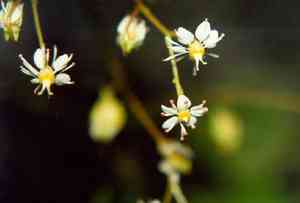
Saxifraga lignosa, known for its dainty white blossoms and vibrant green leaves, significantly benefits from regular trimming. Key methods involve snipping off faded blooms and eliminating impaired or overly dense stems. The most suitable times for pruning are in early spring or late winter, coinciding with the plant's inactive phase. Consistent cutting fosters more robust development and deters fungal infections. Always employ disinfected implements to prevent illness. Trimming also improves visual attractiveness and encourages a dense, flourishing specimen.
What Are the Benefits of Pruning Wood Saxifrage?
What Are the Benefits of Pruning Wood Saxifrage?
Pruning benefits wood saxifrage by encouraging strong growth and maintaining its form. It ensures healthy development, improves appearance, controls size, and lowers pest and disease risk. Regular trimming helps wood saxifrage thrive by removing dead or weak sections, promoting robust and balanced growth.
What Is the Best Time for Pruning Wood Saxifrage?
What Is the Best Time for Pruning Wood Saxifrage?
The best time to prune wood saxifrage is in early spring or late winter, as this period aligns with its dormant phase or just before new growth starts. Pruning then reduces plant stress and encourages vigorous growth in the coming season. Additionally, these timings help avoid disrupting the flowering cycle, ensuring wood saxifrage produces abundant blooms once the growing season begins.
What Tools Do I Need to Prune Wood Saxifrage?
Hand Pruners
Ideal for accurate cuts and removing dead or damaged stems near the base of wood saxifrage. They ensure clean cuts, preventing disease and fostering healthy growth.
Snips
Perfect for delicate trimming of smaller stems and flowers of wood saxifrage. Their fine-pointed blades are excellent for reaching tight spots without harming nearby growth.
Bypass Pruners
Useful for cutting through slightly thicker stems without crushing them. The bypass mechanism guarantees clean cuts that do not injure the plant.
Pruning Shears
For more extensive pruning tasks, pruning shears can handle a larger volume of cutting, especially for seasonal maintenance of wood saxifrage.
How to Prune Wood Saxifrage
Inspection
Examine wood saxifrage for any indications of diseased or withered foliage. This initial check helps pinpoint specific areas needing attention.
Cleaning tools
Ensure pruning tools are clean and sharp to prevent disease transmission. Sanitize tools with rubbing alcohol or a bleach solution.
Trimming diseased leaves
Carefully remove any diseased leaves at the base using sterilized scissors or pruning shears. Properly discard these leaves to prevent disease spread.
Trimming withered leaves
Remove withered leaves by cutting them as close to the base as possible without harming the healthy parts of wood saxifrage. This enhances the plant's overall look and health.
Disposal
Gather all trimmed parts and dispose of them away from the garden area. This ensures no fungal spores or pathogens remain near wood saxifrage to infect it further.
Common Pruning Mistakes with Wood Saxifrage
Over-pruning
Removing too much foliage at once can stress wood saxifrage, hindering its growth and reducing its future blooming potential.
Improper cuts
Using dull or unsuitable tools can tear or crush stems instead of making clean cuts, leading to increased vulnerability to pests and diseases.
Pruning at the wrong time
Pruning wood saxifrage at inappropriate times can impede its natural growth cycle and flowering, as timing is crucial for optimal results.
Ignoring dead or diseased parts
Failing to remove dead, damaged, or diseased sections can lead to the spread of infections throughout wood saxifrage.
Common Pruning Tips for Wood Saxifrage
Use sharp tools
Always use clean, sharp pruners or scissors to make precise cuts. This helps minimize damage and promotes quicker healing for wood saxifrage.
Light, regular pruning
Engage in light, periodic pruning to manage shape and growth without over-stressing wood saxifrage. Regular minor trimming can stimulate healthy growth.
Remove dead or damaged growth
Regularly inspect and remove any dead or damaged leaves and stems to prevent disease and encourage new growth in wood saxifrage.
Prune selectively
Focus on cutting back stems that are overcrowded or crossing each other to improve air circulation and light penetration, fostering a healthier wood saxifrage.
Step back
Periodically step back and assess your work to maintain the natural shape and structure of wood saxifrage, ensuring balanced and aesthetically pleasing growth.



