How to Propagate Wood saxifrage?
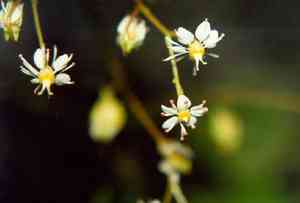
Saxifraga lignosa, thriving in damp, dim habitats, benefits from seed propagation. Initiate with seeds gathered from established specimens, ensuring a substrate with good drainage. Maintain steady hydration without saturating the soil. Utilize diffused illumination to foster sprouting. It is advisable to employ containers or seedling flats to manage early development prior to relocating to their permanent garden spot. Sustaining a cool atmosphere assists in successful cultivation.
Optimal Time for Wood Saxifrage Propagation
Propagation Method
Seeding
Propagation Period
Spring
Tools for Wood Saxifrage Propagation
Seed Trays
Utilized for planting wood saxifrage seeds in a controlled setting. Seed trays enable uniform planting and easy management, allowing growers to observe development and ensure proper spacing of young plants.
Fine Seed Compost
A light, well-draining substrate, fine seed compost offers the perfect texture and nutrient balance required for wood saxifrage seed germination, reducing the chance of damping-off or other soil-borne illnesses.
Mister Bottle
Employed to maintain moisture levels in seed trays without disturbing the soil or dislodging seeds. Consistent moisture is vital for successful wood saxifrage seed germination.
Clear Plastic Domes
These covers aid in creating a humid microclimate over seed trays, encouraging germination by stabilizing temperature and moisture, which is crucial for wood saxifrage seeds.
Seed Labeling Sticks
Essential for distinguishing between various species and cultivars being propagated. Accurate labeling ensures propagators can monitor wood saxifrage's progress and manage its care effectively.
Heating Mat
Supplies an extra heat source beneath seed trays. Heating mats help maintain a steady temperature, speeding up the germination process of wood saxifrage seeds, especially in cooler climates.
Sterilized Tweezers
Useful for handling and planting tiny seeds, minimizing contamination risk and ensuring precise seed placement in trays. This helps preserve wood saxifrage's health and viability.
Grow Lights
Used to supplement natural light, particularly in dim conditions. Grow lights ensure wood saxifrage seedlings receive adequate illumination for healthy growth and development during their initial stages.
How to Propagate Wood Saxifrage?
Propagation Difficulty
Simple
Caring for Your Newly Propagated Wood Saxifrage
Caring for Your Newly Propagated Wood Saxifrage
Post-propagation, ensure wood saxifrage plants are kept in a shaded to partially shaded spot with well-draining soil. Continue regular watering, but prevent waterlogging. Apply mulch around the base to retain moisture and suppress weeds. Fertilize sparingly with a balanced fertilizer during the active growth period. Monitor for pests and diseases, and ensure good air circulation around the plants.
Common Errors to Avoid When Propagating Wood Saxifrage
Overwatering
Excessive moisture can lead to root rot, fungal infections, and other ailments detrimental to wood saxifrage's well-being.
Incorrect Soil Composition
Using soil that retains too much water or lacks adequate nutrients can hinder root development and growth.
Insufficient Lighting
Placing wood saxifrage in low light conditions can impede photosynthesis, stunting plant growth.
Neglecting Humidity Levels
Wood saxifrage thrives in specific humidity conditions, and ignoring this can result in stress and poor health.
Tips For Propagating Wood Saxifrage
Utilize Well-Draining Soil
Ensure the soil mixture is porous and drains effectively to prevent waterlogging and root diseases.
Maintain Moderate Humidity
Keep humidity at optimal levels for wood saxifrage to thrive without encouraging mold or rot.
Provide Indirect Light
Position wood saxifrage in a location with bright, indirect sunlight for robust growth.
Avoid Over-Fertilization
Apply a balanced, slow-release fertilizer sparingly to prevent nutrient burns and promote steady growth.



