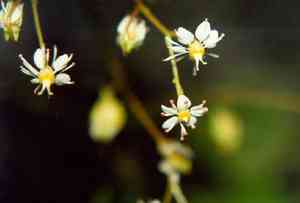
Wood saxifrage (Saxifraga mertensiana)
Also known as: None known
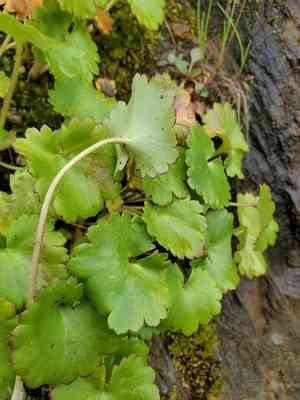
Wood saxifrage (Saxifraga umbrosa) is a resilient perennial that originates from cool, mountainous areas. It features rosettes of evergreen, leathery leaves with serrated edges that form a dense ground cover. In late spring to early summer, it sends up slender stalks adorned with clusters of small, star-shaped white or pinkish flowers dotted with red, attracting various pollinators. This plant flourishes in moist, shaded environments, particularly in well-drained, humus-rich soil found in rocky woodlands and crevices.
In This Article
Attributes of Wood saxifrage
Lifespan
Perennial
Plant Type
Herb
Plant Height
15 cm to 41 cm
Spread
N/A (forms low mats)
Leaf Color
Green
Flower Size
1.5-2 cm
Flower Color
White to pink
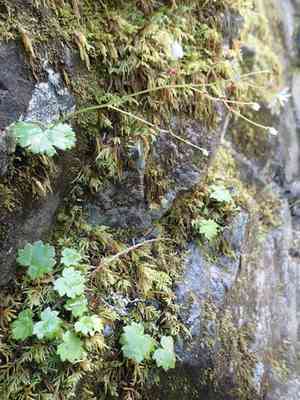
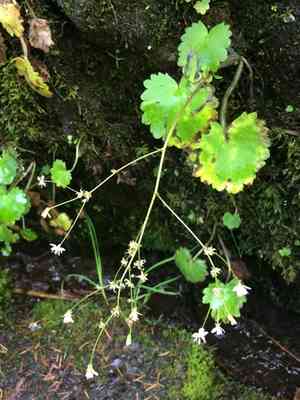
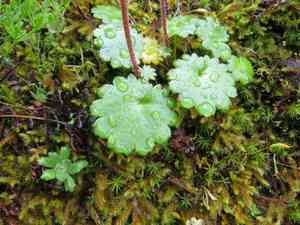
Images of Wood saxifrage
Quickly Identify Wood saxifrage
1
The plant is identified by its basal rosette of leaves, which are wedge-shaped and toothed. It produces a flowering stalk with small white to pink flowers in a loose cluster. The leaves are evergreen and leathery.
Scientific Classification of Wood saxifrage
Phylum
Vascular plants
Class
Dicotyledons
Order
Saxifragales
Family
Saxifrage
Genus
Saxifrages
Species
Wood saxifrage
Planting and Growing of Wood saxifrage
Care Difficulty
Moderate
Watering Schedule
Every 3 days
Sunlight Requirements
Partial sun
Sunshine Duration
6-10 hours
Ideal Temperature
60-70℉
Soil Type
Potting Mix, Peat Mix
Soil pH
6-7.5
Fertilizer Type
Balanced
Pruning Season
Spring, Summer
Pruning Area
Branches, Leaves
Pruning Frequency
2 times a year
Repotting Season
Spring
Pot Type
Plastic, Ceramic
 How to Water Wood saxifrage?
For Saxifraga mertensiana, a suitable watering amount is about 150 ml per session. Watering should be done until the soil is evenly moist but not soggy. Ensure that excess water can drain out to avoid waterlogging the roots.
What are the symptoms of an underwatered Wood saxifrage?
›
What should I do if my Wood saxifrage is not getting enough water?
›
What are the symptoms of an overwatered Wood saxifrage?
›
How to save an overwatered Wood saxifrage?
›
 What Are the Sunlight Requirements for Wood saxifrage?
Partial sun settings provide enough light for photosynthesis without stressing the plant. This balanced environment supports robust health and flowering in Saxifraga mertensiana.
What is the best lighting condition for Saxifraga mertensiana?
›
How can you ensure the plant gets ideal light conditions?
›
What benefits come from providing ideal lighting?
›
 What Is the Ideal Temperature Range for Wood saxifrage?
Saxifraga mertensiana thrives best when grown in environments where the temperature ranges between 60°F and 70°F. This range closely mimics the plant’s natural alpine habitat, providing just the right balance of warmth during the day and coolness at night. Consistent temperatures within this range support optimal metabolic processes and ensure robust growth and blooming.
 What Soil is Best for Wood saxifrage?
Saxifraga mertensiana flourishes in well-drained soils to prevent root rot. Proper drainage ensures the plant's roots remain healthy and capable of absorbing nutrients efficiently. While drainage is crucial, the soil should also retain adequate moisture to keep the plant hydrated. This balance helps in sustaining its lush foliage and vibrant growth. A soil rich in organic matter supports robust growth by providing essential nutrients. This enriches the plant's foliage and boosts its resistance to pests and diseases.
 How to Fertilize Wood saxifrage?
For Saxifraga mertensiana, a balanced approach to fertilization is crucial. Use a diluted liquid fertilizer at half strength once every two weeks during the growing season. Avoid over-application to prevent root damage and salt buildup.
 How to Prune Wood saxifrage?
Begin by carefully examining the plant and cutting away any dead or damaged leaves. This cleanup allows the plant to direct its energy towards new growth and flowering. Be gentle to prevent damage to healthy tissue. Gently trim the plant to maintain its attractive mound-like shape. Focus on areas that are overgrown or disrupting the overall symmetry of the plant. Prune just above a leaf node for optimal regrowth. To promote bushy growth, trim the tips of the healthiest stems. This induces branching, which results in a fuller, more vigorous plant. Be cautious not to cut too much, as excessive pruning can stress the plant.
More About Pruning Techniques→
 How to Propagate Wood saxifrage plant?
1
Start by filling a seed tray with a fine, well-draining seed-starting mix. Scatter Saxifraga mertensiana seeds over the surface and lightly cover with a thin layer of the mix. Mist gently to moisten and place in a location with indirect light.
2
Select a healthy, mature plant and use sterilized secateurs to take a 4-6 inch cutting. Remove any lower leaves and dip the cut end in rooting hormone to promote root growth. Plant the cutting in a pot with well-draining soil.
3
Gently dig up a mature Saxifraga mertensiana plant, ensuring you don't damage the root system. Divide the clump into smaller sections, each with roots and shoots. Replant each section into a prepared garden bed or pot.
 How to Repot Wood saxifrage plant?
1
Repot Saxifraga mertensiana when you notice its roots have filled the current container entirely and are peeking through the drainage holes. Another signal for repotting is when water takes longer to drain, indicating soil compaction. Early spring or early summer, when the plant is gearing up for new growth, are ideal times for repotting.
2
Select a pot that is 1-2 inches larger in diameter than the current one to allow adequate room for growth. A pot with proper drainage holes is essential to prevent waterlogging, which is detrimental to Saxifraga mertensiana as it thrives in well-drained conditions.
3
Choose a well-drained, loamy soil mix that retains some moisture but doesn’t remain soggy. This ensures that the roots have access to nutrients and oxygen, fostering healthy growth. Such a mix prevents root rot and promotes optimal drainage, which is crucial for Saxifraga mertensiana.
Learn More About Wood saxifrage Diseases
Anthracnose
Bacterial Leaf Spot
Bacterial Soft Rot
Chemical Injury
Crown Gall
Damping-off
Downy Mildew
Drought Stress
Fusarium Wilt
Gray Mold
Leaf Curl
Leaf Spot
Mosaic
Nutrient Deficiency
Nutrient Toxicity
Powdery Mildew
Root Rot
Root-knot Nematode
Rusts
Sooty Mold
Spider Mites
Temperature Stress
Thrips Damage
White Mold



