How to Transplant Great burnet?
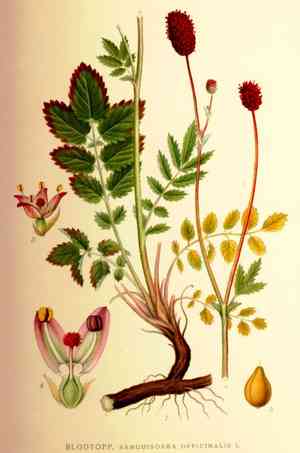
The most favorable period for relocating Sanguisorba officinalis is during the revitalizing warmth of spring, after the last frost, to guarantee vigorous growth. Choose a location featuring damp earth and dappled sunlight. A helpful tip – careful manipulation aids in successful rooting.
Preparations Required Before Relocating Great Burnet
Optimal Period for Transplanting Great Burnet
The best time to move great burnet is in the spring, once the danger of frost has passed. This timing allows the roots to establish in mild conditions before summer's heat. Moving great burnet during this window ensures the plants have sufficient time to develop a strong root system, vital for enduring warm months and thriving long-term. Choosing this transplant period promotes vigorous growth, with moderate temperatures and increased daylight supporting great burnet's transition to its new spot.
Recommended Spacing Between Great Burnet Plants
When transplanting great burnet, allow approximately 1-2 feet (30-60 cm) between each plant. This provides adequate room for growth without impeding neighboring plants.
Ideal Soil Mixture for Great Burnet Transplantation
Remember, great burnet thrives in rich, well-drained soil! For an excellent start, amend the soil with a fertilizer rich in organic matter. This boosts your plant's nutrients, encouraging robust development.
Choosing a New Location for Your Great Burnet
For the perfect spot for great burnet, select an area that receives full or partial sunlight. Varied levels of sun exposure support the plant's essential functions and overall health.
Equipment Needed Before Transplanting Great Burnet
Gardening Gloves
To safeguard your hands while handling soil and the great burnet plant.
Shovel or Garden Spade
For digging the new planting hole and extracting the plant from its original site.
Watering Can/Hose
To hydrate the great burnet plant both before and after its relocation.
Garden Fork
To gently loosen the soil around great burnet's roots if it's being moved from the ground.
Pruners or Sharp Knife
For trimming any dead roots or leaves during the transplanting process.
Wheelbarrow
To transport the great burnet plant from its initial spot to the new planting area.
Garden Trowel
Useful for moving great burnet from a pot to the ground, especially for smaller plants.
Plant labels or Tag
To keep a record of when great burnet was planted.
How to Extract Great Burnet from the Soil
How to Extract Great Burnet from the Soil?
From Ground: First, water the great burnet plant to moisten the soil. Then, dig a wide trench around the plant using a garden fork, ensuring the root ball remains intact. Carefully work the fork beneath the root ball to lift the plant from its original location.From Pot: Initially, water the great burnet plant thoroughly in its pot. Then, turn the pot sideways and gently tap it. The soil and plant will eventually slide out. Be careful not to pull the plant, which could damage the roots.From Seedling Tray: If great burnet was grown in a seedling tray, gently squeeze the bottom of each cell, or use a dibber or pencil to push it out. Avoid damaging the delicate seedling during removal.
Step-by-Step Guide for Transplanting Great Burnet
Preparation
Prepare the new planting site for great burnet by digging a hole at least twice as wide and deep as the plant's root ball.
Careful Removal
Follow the instructions for removal to safely extract the great burnet plant from its initial spot.
Transplanting
Position the great burnet in the center of the hole. The top of the root ball should be level with or slightly above the surrounding soil.
Backfilling
Fill the hole halfway with the original soil, watering it thoroughly. Then, fill the remainder of the hole with soil, gently firming it around the great burnet plant.
Watering
Water the great burnet plant thoroughly after transplanting. This helps settle the soil around the roots and keeps the plant hydrated.
Review
Monitor the great burnet plant closely over the next few days. If the plant shows signs of wilting, additional watering may be necessary.
Post-Transplant Care for Great Burnet
Watering
Great burnet prefers consistently moist soil. In the initial days after transplantation, keep the soil around great burnet continuously damp, but avoid overwatering.
Pruning
If your great burnet has become overgrown or appears unhealthy due to dead or damaged parts, prune those areas to encourage healthy growth.
Monitoring
Keep a close watch on great burnet for indications of transplant stress. Common signs include wilting, yellowing leaves, or leaf drop. If you observe any of these symptoms, investigate potential issues such as insufficient watering, pest infestations, or diseases to ensure its healthy development.
Protection
During the first few weeks, shield the newly transplanted great burnet from harsh weather conditions, such as strong winds or direct, intense sunlight, or from pests by using protective barriers or natural pest deterrents.
Troubleshooting Common Issues with Great Burnet Transplantation.
When is the best time to transplant great burnet?
The optimal time to transplant great burnet is in the S3 season. This period offers the highest chance for successful relocation.
What should be the ideal space between great burnet plants while transplanting?
Maintain a distance of 1-2 feet (30-60 cm) between each great burnet. This ensures ample room for growth and promotes plant health.
Should I water great burnet right after transplanting?
Yes, providing plenty of water immediately after transplanting great burnet helps settle the soil and reduces transplant shock for the plant.
What type of soil does great burnet need when transplanting?
Great burnet thrives in rich, well-draining soil. Incorporating compost or organic matter can enhance soil texture and nutrient content.
How deep should the transplant hole for great burnet be?
The hole should be just deep enough to accommodate great burnet's root ball. This is typically twice the pot size, about 10 inches (25 cm).
Does great burnet need shade or sunlight after being transplanted?
Great burnet ideally loves sun, but it can also tolerate partial shade. Ensure it receives at least 6-8 hours of sunlight daily after transplanting.
Do I need to prune great burnet after transplanting?
It's not essential, but light pruning to remove any damaged or excessively long shoots can help great burnet focus on root development post-transplant.
How to care for great burnet after transplant until it settles down?
Keep the soil consistently moist, but not waterlogged, and ensure great burnet gets sufficient sunlight. Avoid disturbing the plant as much as possible until it's established.
Is it important to acclimatize great burnet before transplanting?
Yes, gradually introducing great burnet to its new environment over about a week helps minimize transplant shock and encourages successful transplantation.
How frequently should great burnet be watered after the transplant process?
Water great burnet thoroughly after transplanting and then consistently whenever the top 1-2 inches (2.5-5 cm) of soil feels dry.



