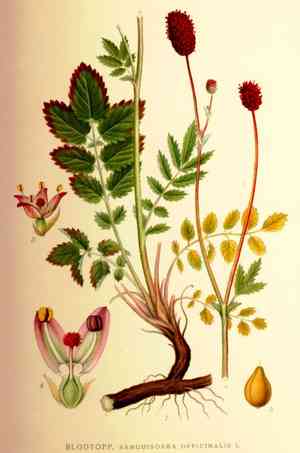
Great burnet (Sanguisorba officinalis)
Also known as: Garden burnet, Official burnet
Wild Thyme, a perennial herb native to the cooler regions of the Northern Hemisphere, is essential for the European large blue butterflies' diet. This attractive plant is well-suited for herb and meadow gardens and can also be harvested for its young leaves.
In This Article
Attributes of Great burnet
Lifespan
Perennial, Annual
Plant Type
Herb
Plant Height
2 m
Spread
60 cm
Leaf Color
Green
Flower Size
5 to 10 millimeters
Flower Color
Red Purple Pink
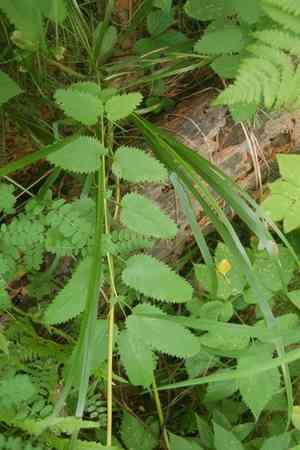
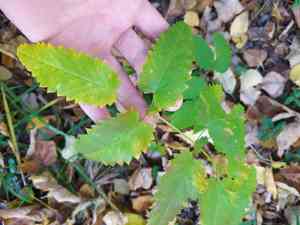
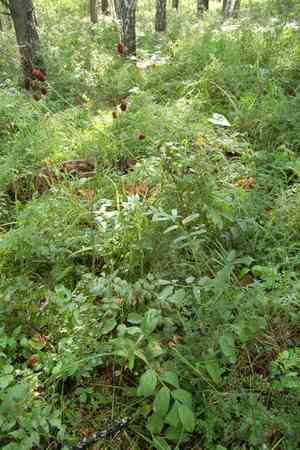
Images of Great burnet
Quickly Identify Great burnet
1
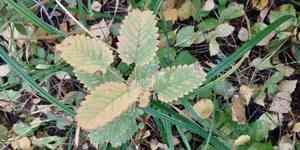
Identify Sanguisorba officinalis by its tall, slender stems that can reach up to 1.2 meters in height. Its pinnate leaves are made up of 7-25 serrated leaflets. The small, dark red flowers are tightly packed in elongated clusters or spikes.
Scientific Classification of Great burnet
Phylum
Vascular plants
Class
Dicotyledons
Order
Roses, elms, figs, and allies
Family
Rose
Genus
burnet
Species
Great burnet
Planting and Growing of Great burnet
Care Difficulty
Easy
Watering Schedule
Every 3 days
Sunlight Requirements
Full sun
Sunshine Duration
6-10 hours
Ideal Temperature
59-68℉
Soil Type
Potting Mix, Peat Mix
Soil pH
6.5-7.5
Fertilizer Type
Balanced
Pruning Season
Spring, Summer
Pruning Area
Branches, Leaves
Pruning Frequency
2 times a year
Repotting Season
Spring
Pot Type
Ceramic, Plastic
 How to Water Great burnet?
Sanguisorba officinalis, commonly known as great burnet, thrives with consistent moisture. Aim to provide about 500 ml of water per watering session. Ensure the soil is moist but not waterlogged, allowing the topsoil to dry slightly before the next watering.
What are the symptoms of an underwatered Great burnet?
›
What should I do if my Great burnet is not getting enough water?
›
What are the symptoms of an overwatered Great burnet?
›
How to save an overwatered Great burnet?
›
 What Are the Sunlight Requirements for Great burnet?
With partial to full sun exposure, Sanguisorba officinalis thrives when receiving adequate light. Ideal lighting promotes vigorous growth and supports prolific blooming.
More About Sunlight Requirements Techniques→
What is the optimal location for Sanguisorba officinalis?
›
How to manage environmental adjustments for better lighting?
›
What benefits does ideal lighting offer this plant?
›
 What Is the Ideal Temperature Range for Great burnet?
Sanguisorba officinalis, or Great Burnet, thrives in a moderate climate. The ideal temperature range for this plant is between 59°F and 68°F. This range allows the plant to effectively photosynthesize and grow without stress. Maintaining this temperature range can enhance both the health and flowering of the plant.
 What Soil is Best for Great burnet?
Sanguisorba officinalis thrives in soil that maintains adequate moisture without waterlogging. Proper moisture retention supports its growth, providing essential hydration and aiding nutrient uptake for optimal plant health. A nutrient-rich soil supports robust growth and luxurious foliage in Sanguisorba officinalis. The presence of organic matter enhances nutrient availability, ensuring the plant receives all necessary elements for vibrant blooms and sturdy stems. Good drainage is crucial for Sanguisorba officinalis, as it prevents root rot and other moisture-related issues. Well-draining soil ensures that excess water is swiftly expelled, maintaining the plant's root health and promoting vigorous growth.
 How to Fertilize Great burnet?
For Sanguisorba officinalis, a balanced fertilizer like a 10-10-10 formula should be used. Apply liquid fertilizer at a rate of 500-800 ml per square meter. For slow-release, use 30-50 grams per plant annually.
 How to Prune Great burnet?
Start pruning in early spring when the plant is emerging from dormancy. This encourages robust growth for the season. A second pruning in autumn helps prepare the plant for winter while maintaining its shape. Trim back spent flower spikes and cut stems to just above a node to encourage branching. Avoid over-pruning; leaving plenty of foliage ensures the plant can photosynthesize effectively and sustain its energy.
More About Pruning Techniques→
 How to Propagate Great burnet plant?
1
Begin by sowing seeds in moist, well-drained soil. Cover the seeds lightly with soil and maintain humidity for optimal germination. Place the tray in a bright location, avoiding direct sunlight.
2
To divide, water the plant the day before to ease division. Carefully dig out the plant and gently separate it into smaller clumps, ensuring each division has a healthy root system.
3
Replant the divisions in well-prepared soil at the same depth they were growing at previously. Water thoroughly after planting to ensure that the new divisions establish quickly.
 How to Repot Great burnet plant?
1
Repotting Sanguisorba officinalis is best when you notice roots growing out of drainage holes or the plant seems too large for its container. This indicates that the plant has outgrown its current pot and needs more space to thrive. The best time is during spring or autumn when the plant shows signs of new growth.
2
Select a pot that is one to two inches larger in diameter than the current one. It should have sufficient drainage holes to prevent waterlogging. A slightly larger pot encourages healthy root growth without overwhelming the plant, ensuring it continues to flourish.
3
Opt for a well-draining loamy soil mix that retains essential moisture but allows excess water to escape. This will provide the plant with the right balance of nutrients and reduce the risk of root rot, ensuring a healthy growing environment.
Learn More About Great burnet Diseases
Anthracnose
Bacterial Leaf Spot
Bacterial Soft Rot
Bacterial Wilt
Crown Gall
Cyst Nematode
Damping-off
Downy Mildew
Drought Stress
Fusarium Wilt
Gray Mold
Leaf Spot
Mosaic
Nutrient Deficiency
Nutrient Toxicity
Powdery Mildew
Root Rot
Root-knot Nematode
Rusts
Sooty Mold
Spider Mites
Temperature Stress
Thrips Damage
White Mold



