How to Prune Great burnet?
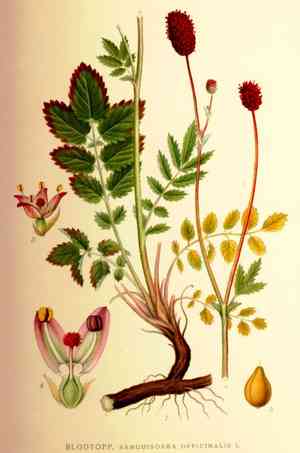
This enduring herbaceous species, distinguished by its lengthy, compact floral spikes, flourishes in humid environments. To achieve peak development for great burnet, trim in the springtime to eliminate deceased leaves and stimulate fresh development. Throughout the summer, remove faded blossoms to encourage a subsequent bloom. Cut back after the initial autumn frost to preserve its structure and well-being. Consistent trimming enhances air movement, diminishes the likelihood of illness, and sustains an appealing appearance. Always employ sanitized, keen implements.
Advantages of Trimming Great Burnet
Advantages of Trimming Great Burnet
Trimming great burnet stimulates flower production, fosters robust development, and maintains its form. Precise cuts revitalize great burnet, boost its decorative appeal, and ensure a compact, healthy structure vital for its visual charm and vigor.
Optimal Period for Trimming Great Burnet
Optimal Period for Trimming Great Burnet
Trimming great burnet in late winter to early spring promotes strong growth as it aligns with the natural growth cycle at the end of dormancy, ensuring energy is directed towards new growth. Summer trimming after blooming allows gardeners to shape the plant and remove spent flower stalks, encouraging a potential second bloom and preventing self-seeding if desired. Autumn trimming is ideal for general tidying, disease removal, and winter preparation, reducing potential damage from decaying material and pests.
Tools Required for Trimming Great Burnet
Bypass Pruners
Perfect for making clean cuts on great burnet's relatively slender stems, bypass pruners inflict minimal harm to the plant tissue. This tool is best utilized for deadheading, shaping, and eliminating any damaged stems.
Pruning Shears
Great burnet may develop dense growth that requires thinning. Pruning shears are excellent for snipping away thin to medium stems. Their sharp blades provide clean cuts that help prevent disease and promote healthy regrowth.
Gardening Gloves
Not a cutting implement, but crucial for safeguarding the gardener's hands from thorns and rough plant matter while trimming great burnet. Gloves also offer a superior grip on the pruning tools.
Pruning Saw
For older great burnet specimens with thicker, woodier stems that are too large for pruners, a pruning saw can make quick work of the task without harming the plant. It ensures that larger cuts are smooth and clean.
How to Trim Great Burnet
Sanitize tools
Before trimming great burnet, ensure all pruning tools are disinfected to prevent the spread of diseases.
Remove diseased leaves
Carefully cut away any diseased leaves from great burnet, making cuts close to the base of each leaf to avoid leaving stubs that can harbor pests or disease.
Trim withered leaves
Trim off withered leaves of great burnet by making clean cuts at the base. This helps prevent decay and encourages new healthy growth.
Deadhead flowers
Deadhead withered flowers by cutting the flowering stems back to the base of the plant great burnet, which promotes further blooming and prevents self-seeding if not desired.
Clean up
After trimming great burnet, remove all trimmings from the area to discourage pests and diseases from settling on the plant debris.
Common Trimming Errors with Great Burnet
Excessive Trimming
Cutting back great burnet too severely can damage the plant's natural shape and inhibit its ability to flower. Retain the plant's structure by pruning sparingly.
Incorrect Cuts
Making cuts too far from the bud or leaving a stub can cause damage or disease. Cut just above outward-facing buds to encourage proper growth.
Tearing Stems
Using dull tools can tear the stems of great burnet, resulting in uneven healing and potential for disease entry. Use sharp, clean pruning shears to make clean cuts.
Ignoring Plant Health
Trimming without assessing the plant's health can remove healthy growth unnecessarily. Focus on removing dead, diseased, or damaged stems first.
General Trimming Advice for Great Burnet
Selective Thinning
Remove selected stems to open up the plant thus improving air circulation and light penetration, which is important for the health of great burnet.
Maintaining Shape
While trimming great burnet, aim to maintain its natural form. This will enhance its aesthetic appeal and support vigorous growth.
Deadheading
Regularly removing spent flowers of great burnet can extend its blooming period and conserve the plant's energy for new growth.
Rejuvenative Pruning
If great burnet has become overgrown or is performing poorly, consider cutting it back to ground level to promote new, vigorous growth. Perform this action only as needed.



