How to Propagate Great burnet?
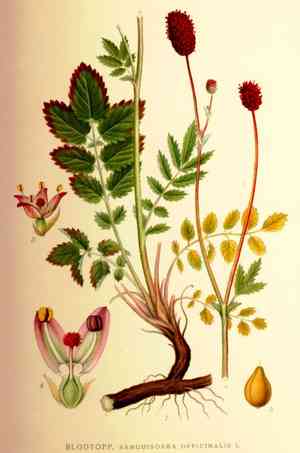
Sowing is an effective method for propagating Sanguisorba officinalis. To achieve the best growth, choose a growing medium that drains well and is abundant in organic material, ensuring the location receives sufficient hydration. Disperse the seeds sparsely over the surface and lightly cover them with substrate. Maintain consistent moisture in the soil until sprouting begins. This technique enables cultivators to grow robust plants capable of flourishing in both full sun and dappled light.
Optimal Period for Great Burnet Propagation
Propagation Method
Seeding
Propagation Period
Spring
Tools for Great Burnet Propagation
Seed trays
Seed trays are vital for sowing great burnet seeds. They enable uniform seed distribution in a controlled setting, promoting ideal spacing and depth. This ensures each seed has ample room to sprout and grow, reducing fungal disease risk and minimizing seed waste.
Peat pots
Peat pots are especially useful for great burnet because they can be directly planted into the soil once seedlings are ready for transplant. This minimizes root disturbance, a common problem when transplanting many herbaceous plants. Peat pots naturally break down in the soil, aiding root development and lessening transplant shock.
Fine vermiculite
Fine vermiculite is an excellent medium for covering great burnet seeds after sowing. It's lightweight and helps maintain moisture around the seeds, encouraging successful germination. Vermiculite also helps stabilize the temperature around the seeds, which is critical for great burnet's germination process.
Watering can with a fine rose
A watering can with a fine rose is essential for gently watering great burnet seeds without disturbing their position in the soil. It ensures even water distribution, providing the necessary moisture for germination without causing erosion or exposing the seeds.
Labeling stakes
Labeling stakes are important for tracking sowing dates and specific care needs for great burnet. This is particularly helpful when propagating multiple batches or varieties. Proper labeling ensures correct identification and assists in monitoring growth and development stages.
Transplanting trowel
A transplanting trowel is used to carefully remove great burnet seedlings for transplantation with minimal root disturbance. Its narrow blade is designed to access tight spaces and gently lift the plant, which is ideal for handling young great burnet seedlings and ensuring their survival during transplant.
How to Propagate Great Burnet?
Propagation Type
Simple
Caring for Newly Propagated Great Burnet
Caring for Newly Propagated Great Burnet
Post-propagation, continue to care for great burnet by ensuring it's planted in a location with full sun to partial shade and well-draining soil. Maintain consistent watering, especially during dry periods, and apply a balanced fertilizer annually in the spring. As a robust perennial, great burnet doesn't require excessive upkeep but benefits from division every few years to revitalize growth and prevent overcrowding.
Common Errors to Avoid When Propagating Great Burnet
Overwatering
Excessive water can lead to root rot for great burnet, as its roots need well-drained soil to stay healthy. Overwatering can suffocate the roots, hindering the plant's ability to absorb nutrients, which stunts growth and reduces propagation success.
Deep planting
Planting great burnet's seeds or divisions too deeply can prevent them from germinating or establishing a strong root system. This error can delay or inhibit the growth of new shoots, negatively impacting overall propagation efforts.
Neglecting division timing
Dividing great burnet at an inappropriate time during its growth cycle can result in weakened plants. Incorrect timing may stress great burnet, reducing its ability to recover and grow successfully after division.
Tips For Propagating Great Burnet
Soil preparation
Ensuring the soil is well-drained and fertile is crucial for successful great burnet propagation. This promotes healthy root development and prevents diseases linked to poor drainage.
Adequate spacing
When planting great burnet seeds or divisions, ensure sufficient spacing to prevent overcrowding. This encourages better air circulation, reduces the risk of fungal infections, and allows for optimal growth.
Regular monitoring
Keeping an eye on great burnet's moisture levels and general condition can help detect issues early. Regular monitoring aids in timely adjustment of care practices, ensuring healthier propagation and growth.



