How to Transplant Chinese elder?
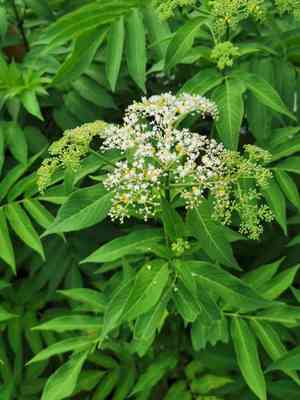
The perfect period for relocating chinese elder is from the warmth of late spring through the initial liveliness of summer. Make certain chinese elder is situated in soil that drains effectively and receives abundant sunlight to thrive. A helpful suggestion: handle the roots delicately to guarantee a successful re-establishment.
Preparations Required Before Relocating Chinese Elder?
Optimal Time for Moving Chinese Elder?
The best time to move your chinese elder is as late spring transitions into early summer. This period offers a combination of moderate temperatures and increasing daylight, promoting strong root development and reducing stress. Transplanting chinese elder during this window allows roots ample time to establish before the intense heat of late summer or the potential cold of autumn. A successful move during this gentle season supports vigorous growth, enabling chinese elder to thrive in its new spot.
Recommended Spacing Between Chinese Elder Plants?
When relocating your chinese elder, ensure it has adequate room to grow. Aim for a distance of approximately 6-10 feet (1.8-3.0 meters) between plants. This provides sufficient space for its development, allowing each plant to flourish without competing for resources.
Ideal Soil Blend for Chinese Elder Relocation?
For your chinese elder, prepare a rich, well-draining soil environment. Consider incorporating organic compost to enrich the earth. A balanced, slow-release fertilizer mixed into the soil will give your chinese elder an excellent start!
Where to Replant Your Chinese Elder?
Select a location for your chinese elder that receives ample sunlight with some partial shade. An area that gets about 6 hours of sun daily would be perfect. This balance encourages healthy growth and abundant blooms.
Equipment Needed Before Relocating Chinese Elder?
Gardening Gloves
To safeguard your hands while handling soil and plants.
Spade or Shovel
For excavating the plant and preparing the new planting site.
Hand Trowel
To refine the hole or to lift smaller plants.
Watering Can or Hose
For hydrating the chinese elder before and after its move.
Pruning Shears
For trimming any damaged roots or stems.
Wheelbarrow or Plant Dolly
To transport the chinese elder from one spot to another.
Garden Fork
For loosening soil around the plant.
Mulch
To help maintain moisture in the new location.
Stake or Plant Support
If the chinese elder is a larger variety, it may need immediate support after transplanting.
How to Extract Chinese Elder from the Soil?
How to Extract Chinese Elder from the Soil?
From Ground: Thoroughly water the chinese elder beforehand to make the soil easier to manage. Using a spade or shovel, dig a wide trench around the chinese elder, being careful not to cut into the root ball. Gently pry under the root ball with the tool to slowly lift the plant from the ground, keeping as much of the root system intact as possible.From Pot: Start by watering your chinese elder to facilitate the root ball's removal from the pot. Tilt the pot sideways and gently tap or press its sides to loosen the soil. Carefully slide the chinese elder out of the pot, supporting the root ball with your hands to prevent it from breaking apart.From Seedling Tray: Water the seedlings to moisten the soil, making them easier to extract. Use a hand trowel or a fork to gently lift each chinese elder seedling from the tray, being careful to keep the root structure and surrounding soil undisturbed.
Step-by-Step Guide for Relocating Chinese Elder
Prepare the New Site
Before removing the chinese elder, dig the new hole where it will be replanted. The hole should be twice as wide as the root ball and of the same depth to ensure the roots have ample room to spread.
Remove the chinese elder
Follow the appropriate removal process detailed above for your chinese elder, whether it's coming from the ground, a pot, or a seedling tray. Handle the root ball with care to keep it intact.
Planting Hole Adjustments
Inspect the new hole and adjust its depth or width, if necessary, so that the chinese elder will be planted at the same level it was in its previous location.
Placement
Carefully place the chinese elder into the new hole, positioning it so that it's upright and centered. Begin to backfill the hole with soil, gently firming it down around the roots to eliminate air pockets.
Water the chinese elder
Once planted, water the chinese elder thoroughly to settle the soil and provide hydration. Ensure the water penetrates deeply to reach the root zone.
Add Mulch
Apply a layer of mulch around the base of the chinese elder, being careful to keep it away from the stem to prevent rot. This will help in moisture retention and weed suppression.
Post-Transplant Care for Chinese Elder?
Immediate Aftercare
Keep the soil around the chinese elder consistently moist for the initial few weeks. Water deeply and regularly as the chinese elder establishes itself, based on the specific variety's moisture needs.
Pruning
Trim any damaged or broken branches to help the chinese elder focus its energy on developing new roots rather than repairing injured tissue.
Stabilization
If the chinese elder is tall or top-heavy, use stakes or plant supports to stabilize it and protect it from strong winds until its roots are firmly anchored.
Monitoring
Regularly check the chinese elder for signs of transplant shock or any pests and diseases. Early detection and treatment can help the chinese elder recover more quickly.
Troubleshooting Common Issues with Chinese Elder Relocation.
When is the best time to move chinese elder?
The ideal period is during the peak of warm months, typically late spring to early summer.
How far apart should chinese elder be spaced when relocating?
Ensure each chinese elder has room to thrive, spacing them 6-10 feet (1.8-3 meters) apart.
What indicates chinese elder is ready for relocation?
Look for a healthy growth phase, when the plant is not blooming or under stress.
How should I prepare the soil for chinese elder relocation?
Enrich the soil with organic matter and ensure it drains well to welcome the chinese elder's roots.
Is sun exposure vital for chinese elder after relocating?
Absolutely, chinese elder thrives in full sun to partial shade, allowing them to establish quicker post-relocation.
How much water does chinese elder need after relocating?
Keep the soil consistently moist, not waterlogged, to help the chinese elder settle in its new home.
Should I prune chinese elder during relocation?
A light pruning can encourage new growth but avoid heavy trimming that may stress chinese elder.
How deep should the hole be for relocating chinese elder?
Dig a hole twice the size of the root ball but just as deep to prevent sinking.
Can mulching benefit chinese elder after relocating?
Mulching helps retain moisture and regulates soil temperature, aiding chinese elder's transition.
What should I avoid when relocating chinese elder?
Steer clear of relocating during extreme temperatures; a mild day is your chinese elder's best friend for moving.



