How to Propagate Chinese elder?
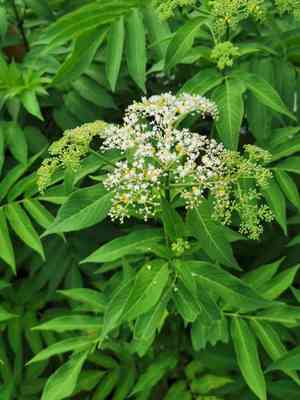
Chinese elder can be successfully multiplied by planting seeds. Cultivators ought to begin with newly harvested seeds for the best sprouting rates. It is vital to supply a growing medium that drains properly and to sustain steady dampness without saturating the soil. Illumination is very important; seeds require sufficient, yet indirect, sunlight to begin developing. Perseverance is necessary, as chinese elder seeds might require a period to sprout. After young plants appear, careful handling during relocation helps avoid harm to the roots, guaranteeing a thriving beginning for new chinese elder specimens.
Optimal Time for Chinese Elder Propagation
Propagation Method
Seeding
Propagation Period
Spring
Tools for Chinese Elder Propagation
Seed trays
Seed trays are vital for germinating chinese elder from seeds. They enable growers to sow seeds in a controlled setting, helping maintain consistent soil moisture and temperature. Their compact design allows for efficient space utilization and easier management of numerous seedlings.
Fine potting mix
A fine potting mix is essential for delivering the necessary nutrients and aeration for chinese elder germination. Select a well-draining mix that retains moisture without becoming waterlogged, to support the delicate new roots of the seedlings.
Misting bottle
A misting bottle helps maintain the humidity levels needed for successful chinese elder germination and initial growth. Gentle misting is preferred over direct watering to prevent dislodging or burying seeds. This tool ensures young plants receive water in a way that promotes healthy root and foliage development.
Heat mat
A heat mat is highly beneficial for providing bottom warmth that encourages faster chinese elder germination. The steady heat supplied by a heat mat helps create an ideal growing environment, especially crucial in cooler climates or during colder times of the year.
Growth lights
Growth lights are particularly important when sowing chinese elder indoors or in low-light conditions. These lights provide the necessary light spectrum for photosynthesis, promoting stronger, healthier growth and preventing seedlings from becoming leggy or weak.
How to Propagate Chinese Elder?
Propagation Difficulty
Simple
Caring for Your Newly Propagated Chinese Elder
Caring for Your Newly Propagated Chinese Elder
Post-propagation, it's crucial to maintain consistent soil moisture without overwatering. Chinese elder thrives in sunny to partially shaded spots and soil rich in organic matter. Regular feeding with a balanced fertilizer during the growing season will support vigorous growth. Pruning is not typically needed in early stages but can be done to shape the plant as it matures, especially to remove damaged or overly dense branches.
Common Propagation Mistakes for Chinese Elder
Insufficient humidity
During the cutting propagation of chinese elder, maintaining adequate humidity is crucial. Failing to do so can lead to dehydration and poor root development, significantly hindering growth.
Overwatering
While it might seem beneficial to keep the soil excessively moist, overwatering can lead to root rot, fungal growth, and ultimately kill the young plants.
Using non-sterile tools
When taking cuttings of chinese elder, using tools that have not been sterilized can introduce pathogens to the fresh cuts, leading to infections that can prevent successful rooting.
Tips For Propagating Chinese Elder
Use semi-hardwood cuttings
For chinese elder, semi-hardwood cuttings taken from newly matured growth of the current season provide the best balance of flexibility and maturity for effective rooting.
Indirect sunlight
Position chinese elder propagation setups in bright, indirect sunlight to avoid scorch damage while still providing sufficient light for growth.
Rooting hormone application
Applying a rooting hormone to the cut ends of chinese elder can significantly enhance the rooting success rate by stimulating root growth and protecting the cuttings from diseases.



