How to Prune Chinese elder?
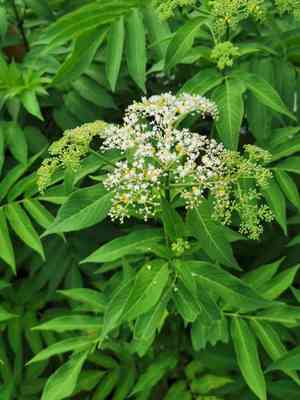
The chinese elder, a deciduous shrub recognized for its groupings of white blossoms and tiny dark fruits, thrives with regular trimming to sustain its vitality and foster abundant flowering. Essential methods involve removing older branches, decreasing its stature, and sculpting the plant in early spring or summer once the blooms have passed. Begin by eliminating any dead or ailing branches. This horticultural practice encourages fresh development, leading to a greater profusion of flowers. Always employ sanitized, keen implements to lessen trauma and avert the spread of pathogens.
Advantages of Trimming Chinese Elder
Advantages of Trimming Chinese Elder
Trimming chinese elder promotes robust development and helps maintain its desired form. Strategic cuts enhance sunlight exposure and air circulation, crucial elements for a strong, healthy plant. Regular pruning also limits excessive growth, preserving an appealing shape.
Optimal Time for Pruning Chinese Elder
Optimal Time for Pruning Chinese Elder
Pruning 'chinese elder' in late winter to early spring, prior to new growth, allows for the removal of any dead or damaged branches without disrupting the plant's budding process. This timing fosters a healthy growth cycle, as the plant can allocate energy to new growth and recovery. Early summer pruning is beneficial for shaping the plant or managing its size after the initial spring growth surge. At this stage, pruning will not impact flowering since 'chinese elder' typically blooms on new wood. It also provides time for the plant to recover before entering its dormant phase in winter.
Essential Tools for Pruning Chinese Elder
Hand pruners
Perfect for trimming small branches and deadheading flowers on chinese elder. Hand pruners offer precise cuts and can handle the typical thickness of chinese elder's branches, which are generally not very thick.
Loppers
Necessary for cutting thicker branches that hand pruners cannot manage. Loppers also provide greater leverage when pruning chinese elder, simplifying the task of cutting through denser wood.
Pruning saw
Useful for removing large, mature branches from chinese elder that may be too thick for loppers. A pruning saw ensures clean cuts on thick branches, promoting better healing.
Hedge shears
Chinese elder may benefit from hedge shears if shaping or shearing is desired. Since chinese elder can have a bushy growth habit, hedge shears can efficiently shape the plant.
How to Prune Chinese Elder
Sanitize Tools
Before beginning, ensure all pruning tools are clean and disinfected to prevent the spread of diseases to chinese elder.
Remove Diseased Foliage
Carefully inspect chinese elder and use sharp shears to snip off any diseased leaves close to the stem without harming healthy leaf nodes.
Trim Withered Leaves
Identify withered or dead leaves on chinese elder and trim them off at their base to maintain plant health and stimulate new growth.
Cut Diseased Stems
Locate diseased stems on chinese elder and make angled cuts to remove them entirely; be sure to cut well below the diseased sections to promote healthy regrowth.
Dispose Of Waste
Properly dispose of all diseased and withered plant material far from chinese elder to prevent any potential reinfection or pest infestation.
Common Pruning Errors with Chinese Elder
Excessive Pruning
Removing too much foliage from chinese elder can stress the plant, reduce its vigor, and make it more susceptible to diseases or pests.
Incorrect Cut Placement
Cutting too far from a bud or node may lead to dead stubs while cutting too close can damage the growth points, impeding proper regrowth.
Using Dull Tools
Dull pruning tools can cause jagged cuts that are prone to infection and may harm chinese elder's health.
Shearing For Shape
Chinese elder often benefits from selective thinning rather than shearing, which can lead to dense foliage that hinders light and air penetration, necessary for the health of the plant.
Neglecting Deadwood
Failing to remove dead, diseased, or damaged wood can hinder chinese elder's growth and invite pathogens.
Ignoring Plant Structure
Not considering the natural form of chinese elder when pruning can result in an unbalanced and weakened structure.
General Pruning Advice for Chinese Elder
Selective Pruning
Focus on thinning out crowded branches to maintain the natural shape of chinese elder and to encourage airflow and light penetration.
Sharp Tools
Always use sharp, clean tools to make precise cuts that will heal quickly and minimize the risk of disease.
Cutting Technique
Angle cuts just above outward-facing buds or nodes to direct new growth away from the center of chinese elder, which promotes a more open habit.
Gradual Rejuvenation
If chinese elder requires substantial shaping, spread the work over several seasons to avoid shocking the plant and to maintain its health and vigor.
Balance Removal
Evenly distribute pruning cuts around chinese elder to avoid lopsided growth and to maintain an aesthetically pleasing form.
Post-Pruning Care
After pruning, provide chinese elder with adequate water, and possibly a light application of balanced fertilizer, to promote healthy regrowth.



