How to Transplant California Hummingbird Sage?
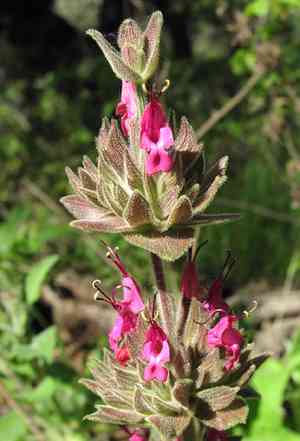
For california Hummingbird Sage, the peak of spring presents the ideal period for relocation, guaranteeing the plant establishes itself effectively amidst vigorous development. Select a site with partial shade and soil that drains efficiently. During the transplanting process, reduce disruption to the roots to preserve the plant's health.
What Preparations are Needed Before Transplanting California Hummingbird Sage?
What is the Ideal Time for Transplanting California Hummingbird Sage?
For california Hummingbird Sage, the period from late March through early June is highly favorable, capturing the essence of mid-spring's gentle warmth. This timeframe aligns with california Hummingbird Sage's active growth phase, ensuring roots establish well without the stress of extreme temperatures, and benefits from moist soil, aiding acclimatization and promoting robust growth. Embrace the vibrant season when soil and air offer the promise of growth, enhancing california Hummingbird Sage's chances for thriving in its new location. Friendly tip: Schedule your transplant for late spring to give your california Hummingbird Sage a comfortable start in its new home!
How Much Space Should You Leave Between California Hummingbird Sage Plants?
When transplanting your california Hummingbird Sage, ensure a spacing distance of approximately 1-3 feet (0.3-0.9 meters). This allows each plant ample room to grow without competing for resources.
What is the Best Soil Mix for California Hummingbird Sage Transplanting?
For your california Hummingbird Sage, well-drained soil is highly recommended. Begin by adding plenty of organic matter or compost to create a rich, fertile base. Then, apply a slow-release fertilizer to aid root growth.
Where Should You Relocate Your California Hummingbird Sage?
Choose a spot with full to partial sun exposure for your california Hummingbird Sage. This plant can tolerate some shade, but it truly flourishes in areas with abundant sunlight.
What Equipments Should You Prepare Before Transplantation California Hummingbird Sage?
Gardening Gloves
To protect your hands while working with the soil and california Hummingbird Sage.
Spade or Shovel
For digging holes and trenches during the transplant process.
Gardening Trowel
Useful for removing california Hummingbird Sage from its pot or seedling tray.
Garden Hose or Watering Can
To water the california Hummingbird Sage before and after transplanting.
Compost
To enrich the new planting location of california Hummingbird Sage and encourage healthy growth.
Mulch
To protect the california Hummingbird Sage after it's transplanted and conserve soil moisture.
How Do You Remove California Hummingbird Sage from the Soil?
How Do You Remove California Hummingbird Sage from the Soil?
From Ground: First, water the california Hummingbird Sage to moisten the soil. Then, dig a wide trench around the california Hummingbird Sage using a spade or shovel, ensuring the plant's root ball remains intact. Carefully work the spade under the root ball to lift the california Hummingbird Sage from its original location.From Pot: Water the california Hummingbird Sage and gently tip the pot sideways while supporting the plant and its root system. Tap the rim of the pot against a hard surface or gently squeeze the sides to loosen it, before carefully removing the california Hummingbird Sage from the pot.From Seedling Tray: Water the seedlings and use a trowel to remove each individual california Hummingbird Sage seedling without damaging the young roots.
Step-by-Step Guide for Transplanting California Hummingbird Sage
Digging
Dig a hole that is twice as wide and just as deep as the root ball of the california Hummingbird Sage.
Placement
Place the california Hummingbird Sage in the hole. Keep the california Hummingbird Sage vertically straight and make sure the top of the root ball is level with the ground surface.
Backfilling
Backfill the hole with soil mixed with compost, firmly pressing it around the root ball of the california Hummingbird Sage.
Watering
Water the california Hummingbird Sage thoroughly to ensure the soil settles around the roots.
Mulching
Apply a layer of mulch around the base of the california Hummingbird Sage, avoiding the stem, to help conserve moisture and discourage weeds.
How Do You Care For California Hummingbird Sage After Transplanting?
Watering
Maintain consistent soil moisture around the california Hummingbird Sage, but avoid waterlogging as it might lead to root rot. The frequency may vary based on weather conditions.
Pruning
Trim off any damaged or dead portions of california Hummingbird Sage after transplanting to help the plant focus on root development.
Pest Control
Keep an eye out for common pests and take the necessary actions to ensure your california Hummingbird Sage's health.
Mulch Replenishing
Refresh the mulch layer as needed to maintain its effectiveness.
Troubleshooting Common Issues with California Hummingbird Sage Transplantation.
When's the best time to transplant the california Hummingbird Sage?
Optimal transplanting window for california Hummingbird Sage falls within S2, allowing it to establish before extreme seasons hit.
How much space is required between the california Hummingbird Sages during transplanting?
Leave a gap of 1-3 feet (30-90 cm) between california Hummingbird Sage specimens. It ensures adequate growth room.
Whatâs the optimal soil for transplanting california Hummingbird Sage?
California Hummingbird Sage prefers well-draining soil. Add sand or gravel to enhance drainage if your soil is heavy clay.
Can california Hummingbird Sage be transplanted in containers?
Absolutely! Ensure the container is large enough to accommodate california Hummingbird Sage's size at maturity and has adequate drainage.
Whatâs the recommended depth for transplanting california Hummingbird Sage?
Plant california Hummingbird Sage at the same depth as its root ball. Its crown shouldn't be buried to prevent rot.
What care tips are essential after transplanting california Hummingbird Sage?
Water california Hummingbird Sage generously after transplanting, maintain soil moisture, but avoid waterlogging. Partial to full sun is ideal.
How can I prevent transplant shock in california Hummingbird Sage?
To minimize shock, transplant on a cloudy day or late in the afternoon. Keep the plant well-watered.
What are the signs of unsuccessful transplantation in california Hummingbird Sage?
Warning signs include wilting leaves, yellowing, and slow growth. These may indicate root disturbance or poor conditions.
How do I handle california Hummingbird Sage roots during transplanting?
Treat california Hummingbird Sage's roots gently to prevent damage. If they're pot-bound, loosen them a bit before planting.
Does california Hummingbird Sage require any fertilization after transplant?
California Hummingbird Sage doesnât require immediate fertilization post-transplant. Wait until new growth appears before applying a balanced fertilizer.



