How to Prune California Hummingbird Sage?
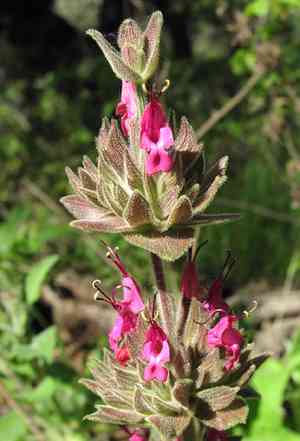
This enduring herb is distinguished by its fragrant foliage and clusters of tubular blossoms, which draw hummingbirds. Ensure the well-being of california Hummingbird Sage by eliminating spent blooms and deceased leaves, fostering fresh development and improving air movement. Perform pruning in spring following the final frost, and lightly throughout summer and autumn to preserve a dense shape. A significant trim in late winter stimulates vigorous spring regrowth. Advantages of pruning encompass continuous flowering, protection against ailments, and heightened plant vitality.
What Are the Benefits of Pruning California Hummingbird Sage?
What Are the Benefits of Pruning California Hummingbird Sage?
Trimming california Hummingbird Sage promotes abundant flowering, stimulates vigorous development, and maintains its desired shape, ensuring california Hummingbird Sage remains an appealing and thriving garden addition.
What Is the Best Time for Pruning California Hummingbird Sage?
What Is the Best Time for Pruning California Hummingbird Sage?
Late Spring is an optimal period for pruning california Hummingbird Sage as it facilitates the removal of faded blooms and encourages a subsequent flowering cycle within the same year. Early Fall is also suitable for cutting back california Hummingbird Sage to preserve its form and prepare the plant for dormancy, fostering healthier growth in the subsequent season. Pruning during these times aligns with california Hummingbird Sage's inherent growth pattern, avoiding the critical winter phase when the plant is most susceptible and the peak blooming period in early spring. This timing minimizes stress on california Hummingbird Sage, reduces disease risk, and boosts the plant's flowering capacity.
What Tools Do I Need to Prune California Hummingbird Sage?
Hand Pruners
California Hummingbird Sage is a perennial subshrub, and its softer, herbaceous growth makes hand pruners an ideal instrument for executing clean cuts on the plant's stems. Hand pruners enable precise cutting, preventing unnecessary harm to the plant's structure.
Pruning Shears
For cutting back dead or spent flowers to encourage reblooming, pruning shears are perfect for snipping stems of california Hummingbird Sage. A scissor-like action provides a clean cut without crushing plant tissues.
Garden Scissors
Garden scissors are appropriate for deadheading california Hummingbird Sage, allowing gardeners to accurately remove individual flowers and promote further blooming without damaging nearby stems or leaves.
How to Prune California Hummingbird Sage
Disinfect Tools
Ensure all pruning implements are sanitized before beginning to prevent the transmission of disease to or from california Hummingbird Sage.
Remove Diseased
Carefully inspect california Hummingbird Sage and remove any diseased leaves by cutting them at the stem's base, using clean, sharp shears. This helps prevent infection and improves the plant's overall health.
Trim Withered Leaves
Trim away withered leaves from california Hummingbird Sage to maintain aesthetics and encourage healthy growth. Remove these leaves by cutting close to the stem, avoiding damage to healthy adjacent foliage.
Deadhead Flowers
Deadhead spent flowers by snipping the withered flower stems just above the first set of healthy leaves. This encourages california Hummingbird Sage to produce new blooms and redirects energy to healthier parts of the plant.
Clean Up
After pruning california Hummingbird Sage, clean up all removed plant material from the ground to discourage pests and disease, and to maintain a tidy growing environment for the plant.
Common Pruning Mistakes with California Hummingbird Sage
Overpruning
Removing too much of california Hummingbird Sage in a single session can result in poor growth and reduced flowering. California Hummingbird Sage benefits from a lighter touch, ensuring enough foliage is left to sustain the plantâs energy needs.
Blunt Tools
Using dull or unclean pruning tools can lead to ragged cuts that make california Hummingbird Sage vulnerable to pests and diseases. Clean, sharp pruning shears are necessary for clean cuts that heal quickly.
Pruning Healthy Growth
Cutting away healthy, vibrant growth can be a mistake with california Hummingbird Sage. It's essential to focus on removing only the dead or diseased foliage to avoid stressing the plant.
Uneven Cuts
Making uneven or slanted cuts can harm california Hummingbird Sage, leading to poor healing and potential infection. Cuts should be made cleanly and as close to the base of the unwanted foliage as possible.
Disregarding Plant Shape
Not considering the natural shape of california Hummingbird Sage during pruning can result in an aesthetically displeasing appearance. Pruning should enhance the plantâs natural form, not work against it.
Common Pruning Tips for California Hummingbird Sage
Identify Dead Growth
Locate and remove dead or dying foliage from california Hummingbird Sage first. This helps improve air circulation and redirects the plant's energy to healthy growth.
Thinning
Thin out dense areas of california Hummingbird Sage to promote better air flow and light penetration. This can help reduce the risk of fungal diseases which california Hummingbird Sage may be prone to in overly dense foliage.
Correct Cut Angle
Make cuts at a slight angle to prevent water from accumulating on the cut surface, which reduces the chances of disease in california Hummingbird Sage.
Post-Bloom Pruning
Trimming california Hummingbird Sage after it has bloomed encourages a second wave of flowers. Deadheading, or the removal of spent flower spikes, can also promote additional blooming.
Sanitize Tools
Before and after pruning california Hummingbird Sage, always sanitize your pruning tools with alcohol or a bleach solution to prevent spreading diseases between plants.



