How to Propagate California Hummingbird Sage?
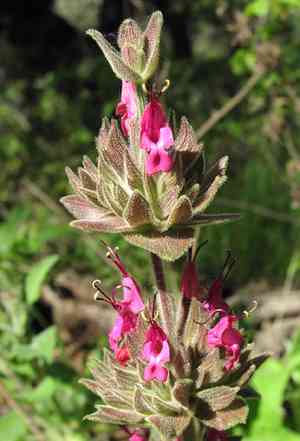
Salvia spathacea, known for its captivating, fragrant leaves and its appeal to hummingbirds, can be successfully multiplied by planting seeds. Prior to planting, it's important to have well-draining soil blends to improve germination success. After the seeds are planted, they need steady hydration, but it's vital to prevent excessive water, which could cause seed decay. As young plants sprout and develop, they thrive with slow adaptation to external environments if initially cultivated indoors. Cultivators should exercise patience, as germination rates can differ, and some young plants might need time to become established.
When Is the Optimal Time to Propagate California Hummingbird Sage?
Propagation Method
Seeding
Propagation Period
Spring
What Equipment Is Used for California Hummingbird Sage Propagation?
Seed trays
Seed trays are crucial for planting california Hummingbird Sage seeds. They enable efficient organization and provide ample space for initial growth. Using seed trays helps maintain proper moisture and temperature, which are vital for california Hummingbird Sage germination.
Fine-textured potting soil
Fine-textured potting soil is ideal for california Hummingbird Sage, promoting better root development and proper drainage while retaining sufficient moisture. Soil that allows good air circulation helps prevent root rot, leading to healthier seedling growth.
Misting bottle
A misting bottle is used to gently water california Hummingbird Sage seeds without dislodging them, which can happen with stronger water flow. This tool ensures the soil remains consistently moist, essential during the germination phase of california Hummingbird Sage.
Heating mat
For california Hummingbird Sage, maintaining a consistent and appropriate temperature is necessary for successful seed germination. A heating mat provides steady bottom heat, especially beneficial in cooler months or climates, improving germination rates and ensuring uniform seedling development.
Grow lights
If natural light is insufficient, grow lights become essential. They provide the necessary light spectrum to encourage robust growth and development of california Hummingbird Sage after germination, mimicking sunlight and promoting effective photosynthesis.
How to Propagate California Hummingbird Sage?
Propagation Difficulty
Simple
How to Care for Your Newly Propagated California Hummingbird Sage?
How to Care for Your Newly Propagated California Hummingbird Sage?
After germination, gradually expose california Hummingbird Sage seedlings to outdoor conditions if started indoors. Plant them in organic-rich, well-draining soil with partial shade. Regular watering is vital, especially during dry spells, but allow the soil to dry slightly between waterings to prevent waterlogging. Mulching helps retain moisture and suppress weeds. Monitor for pests and diseases, treating as needed to ensure healthy growth.
Common Errors to Avoid When Propagating California Hummingbird Sage
Overwatering
Watering california Hummingbird Sage too often can cause root rot due to its preference for drier conditions. This error can hinder root development, induce disease, and ultimately kill the plant.
Deep planting
Planting california Hummingbird Sage cuttings too deeply may reduce oxygen supply to developing roots, increasing decay risk and lowering propagation success.
Neglecting humidity
Ignoring the need for balanced humidity when propagating california Hummingbird Sage cuttings can cause them to dry out before rooting, leading to propagation failure.
Using dull tools
Propagating california Hummingbird Sage with dull or unclean tools can damage plant tissues, leading to poor root development or infection.
Overcrowding
Placing california Hummingbird Sage cuttings too close together can restrict airflow, encourage diseases, and negatively impact root growth.
Tips For Propagating California Hummingbird Sage
Rooting hormone
Applying a rooting hormone to the cut end of california Hummingbird Sage cuttings can stimulate root growth and increase the likelihood of successful propagation.
Well-draining soil
Using a well-draining soil mix for california Hummingbird Sage allows excess water to escape, which is vital for preventing root rot and other moisture-related issues.
Indirect light
Providing california Hummingbird Sage with indirect light avoids the stress or damage that can occur with direct sunlight, while still ensuring the cuttings have the energy to develop roots.
Sterile equipment
Using sterile pruning tools ensures california Hummingbird Sage cuttings are not exposed to pathogens that could cause disease, helping to ensure healthy propagation.
Moderate humidity
Maintaining moderate humidity around california Hummingbird Sage cuttings by covering them with a plastic bag or placing them in a propagation chamber ensures adequate moisture without waterlogging.



