How to Transplant Canyon sage?
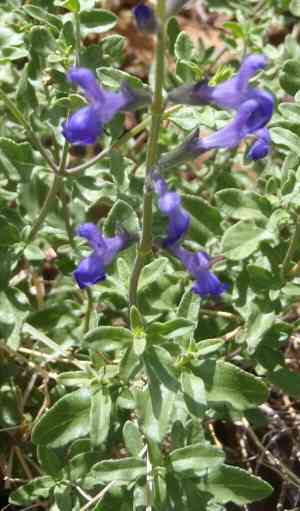
Canyon sage flourishes when relocated in the early stages of spring. Provide a brightly lit spot with soil that drains effectively for optimal rooting. Steer clear of congested areas; this botanical specimen appreciates ample air circulation. Enjoy your gardening!
What Preparations are Needed Before Transplanting Canyon Sage?
What is the Ideal Time for Transplanting Canyon Sage?
Moving canyon sage is best done in early to mid-spring or late autumn, coinciding with moderate temperatures and increased soil moisture. This timing minimizes transplant shock, encouraging quicker root establishment. Early-season planting utilizes the plant's natural growth cycle, while fall transplantation allows roots to develop before winter dormancy, ensuring vigorous growth in the subsequent season.
How Much Space Should You Leave Between Canyon Sage Plants?
When relocating canyon sage, ensure each plant is spaced 18-24 inches (45-60 cm) apart. This provides ample room for them to grow and thrive without becoming overcrowded.
What is the Best Soil Mix for Canyon Sage Transplanting?
Prepare well-draining soil enriched with compost or a balanced base fertilizer prior to planting canyon sage. A sandy loam works excellently, ensuring roots receive sufficient nutrients and air.
Where Should You Relocate Your Canyon Sage?
Select a sunny location for transplanting canyon sage, where it will receive a minimum of 6 hours of direct sunlight daily. This will help the plant flourish and produce vibrant blooms.
What Equipments Should You Prepare Before Transplantation Canyon Sage?
Gardening Gloves
To safeguard your hands while handling soil and the plant.
Small Spade or Shovel
To excavate around and lift the plant from its initial spot.
Trowel
Perfect for smaller, more precise digging tasks.
Watering Can or Hose
To hydrate the plant before and after its relocation.
Pruning Shears
To trim any damaged or excessively long root structures.
Compost or Organic Matter
To enrich the new planting hole with essential nutrients.
Mulch
To aid in moisture retention and regulate soil temperature around the newly moved plant.
How Do You Remove Canyon Sage from the Soil?
How Do You Remove Canyon Sage from the Soil?
From Ground: First, water the canyon sage plant to moisten the soil. Then, dig a wide trench around the plant using a shovel or spade, ensuring the plant's root ball remains intact. Carefully work the spade beneath the root ball to lift the plant from its original location.From Pot: Thoroughly water the canyon sage plant. Gently tap the pot's sides to loosen the soil. Turn the pot on its side and carefully slide the plant out, supporting the root ball with your hands to keep it intact.From Seedling Tray: Lightly water the canyon sage plant. Use a small trowel or your fingers to gently lift the seedling from the tray, ensuring you extract the entire root system.
Step-by-Step Guide for Transplanting Canyon Sage
Prepare the New Site
Before beginning, ensure the chosen spot is free of weeds and debris. Dig a hole twice the root ball's diameter and equally deep.
Enrich the Soil
Incorporate compost or organic matter into the soil at the bottom of the hole to provide canyon sage with a nourishing start.
Remove the Plant
Carefully extract the canyon sage plant from its initial position, following the steps outlined in the removal process section.
Place the Plant
Position canyon sage in the center of the hole, making sure the top of the root ball is level with the surrounding ground.
Backfill the Hole
Refill the hole with the previously removed soil, and gently firm it down to eliminate air pockets.
Water Thoroughly
Water the plant immediately after transplanting to help settle the soil around its roots.
Mulch
Apply a layer of mulch around the plant's base to aid in moisture retention and suppress weed growth.
How Do You Care For Canyon Sage After Transplanting?
Watering
Keep the soil around the canyon sage consistently moist, but not waterlogged, for the initial weeks post-transplant to encourage strong root development.
Protection
Shield the newly transplanted canyon sage plant from strong winds and intense sunlight for the first few days.
Fertilizing
Wait several weeks before fertilizing to prevent shocking the recently moved plant. Afterward, use a balanced, slow-release fertilizer.
Troubleshooting Common Issues with Canyon Sage Transplantation.
When is the best time to transplant canyon sage?
The optimal times are early spring, mid-spring, or late fall for peak growth.
How much space should I leave between plants?
Space canyon sage plants 18-24 inches (45-60 cm) apart for healthy development.
What type of soil is ideal for transplanting canyon sage?
Well-drained soil is perfect. Sandy or loamy soils are best suited for canyon sage.
How should I prepare the soil before transplanting?
Mix compost or organic matter into the soil to enhance drainage and fertility.
How do I avoid transplant shock for canyon sage?
Water the plant thoroughly the day before transplanting to minimize stress.
Does canyon sage need to be watered immediately after transplanting?
Yes, water right away to help settle the soil and support root establishment.
How deep should I plant canyon sage?
Plant canyon sage at the same depth it was in its original container.
What are signs of transplant shock?
Wilting, yellowing leaves, or stunted growth indicate canyon sage is struggling.
Should I prune canyon sage when transplanting?
Light pruning can help direct the plant's energy towards root establishment.
How much sunlight does canyon sage need after transplanting?
Canyon sage thrives in full sun, requiring at least 6 hours of sunlight daily.



