How to Prune Canyon sage?
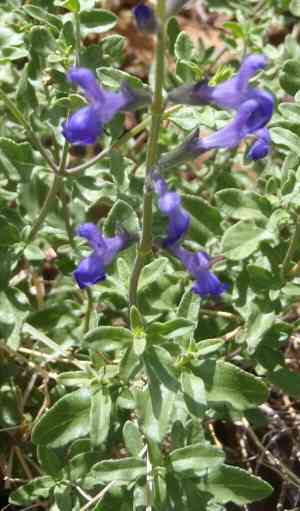
Recognized for its azure blossoms and fragrant leaves, canyon sage necessitates trimming in the latter part of winter or early spring. Initially, eliminate any deceased or compromised stalks to foster robust development. Reduce the plant by approximately one-third to encourage a denser shape and enhance air movement. Consistent trimming deters sparse growth and stimulates fresh flowering. Always employ sanitized, keen implements to prevent illness. Yearly pruning of canyon sage boosts its visual attractiveness and lifespan.
What Are the Benefits of Pruning Canyon Sage?
What Are the Benefits of Pruning Canyon Sage?
Trimming canyon sage encourages vigorous development and helps it keep its form. This practice fosters robust growth, boosts flowering, and manages size, all while enhancing appearance and resistance to pests and diseases, ensuring a strong and attractive garden specimen.
What Is the Best Time for Pruning Canyon Sage?
What Is the Best Time for Pruning Canyon Sage?
Pruning canyon sage in early spring and late winter is optimal as it aligns with the plant's growth cycle, promoting strong new growth as it enters its active period. Trimming at these times minimizes the risk of removing new buds and flowers and prevents undue stress on the plant. Additionally, pruning during these seasons helps maintain the plant's shape and health by removing any dead or damaged growth accumulated over the colder months. These periods also reduce the risk of infections, as the plant is less susceptible to diseases and pest infestations when pruned while dormant or just beginning new growth.
What Tools Do I Need to Prune Canyon Sage?
Bypass Pruners
Perfect for making clean cuts on live wood and smaller branches of canyon sage. These pruners ensure minimal harm to the plant's tissue, reducing disease risk and promoting rapid healing.
Loppers
Useful for cutting thicker branches (up to 2 inches in diameter) that bypass pruners cannot handle. Loppers provide leverage for clean cuts and help maintain canyon sage's shape and size.
Pruning Saw
Essential for removing branches thicker than 2 inches. A pruning saw allows for precise cutting, ensuring that the larger branches of canyon sage are removed cleanly without causing excessive damage.
Hedge Shears
Effective for shaping canyon sage, especially after its blooming period. These shears can manage larger sections of foliage, making it easier to maintain the plant's appearance.
Gloves
Crucial for protecting hands from thorns, sharp edges, and potential irritants while pruning canyon sage. Durable gloves improve grip and safety during the pruning process.
How to Prune Canyon Sage
Inspect
Examine canyon sage thoroughly to identify any diseased or withered leaves. Be sure to check both sides of the leaves for any signs of disease, such as discoloration or mold.
Tool selection
Choose a pair of sharp, sanitized pruning shears to avoid spreading disease. Clean tools ensure precise cuts and maintain plant health.
Remove diseased leaves
Carefully trim off any leaves showing signs of disease. Make cuts at the base of the leaf stem, ensuring you do not harm the healthy parts of the plant.
Remove withered leaves
Trim off any withered or dead leaves in a similar manner. This helps the plant direct its energy towards new growth and maintain overall health.
Dispose safely
Collect and dispose of all removed leaves in a sealed bag. This prevents any potential spread of disease to other plants in your garden.
Common Pruning Mistakes with Canyon Sage
Over-pruning
Removing too much foliage at once can stress canyon sage, leading to weakened growth and fewer flowers.
Incorrect cuts
Making cuts that are too large, too close to the main stem, or at improper angles can damage the plant and invite disease.
Pruning at the wrong nodes
Cutting at the wrong spot, such as just below a leaf node instead of above it, can hinder new growth.
Failure to sanitize tools
Using unclean tools can spread disease and pests between plants, compromising canyon sage's health.
Common Pruning Tips for Canyon Sage
Use clean, sharp tools
Always sanitize pruning shears before and after use to prevent disease transmission.
Cut above a leaf node
Make cuts just above a leaf node or a set of leaves to encourage new growth and maintain the plant's shape.
Moderate pruning
Remove dead or damaged stems and trim back only a third of the plant at most to avoid over-stressing canyon sage.
Shape the plant
Aim to maintain an open, airy structure that allows sunlight and air to reach the inner branches, encouraging healthier growth.



