How to Propagate Canyon sage?
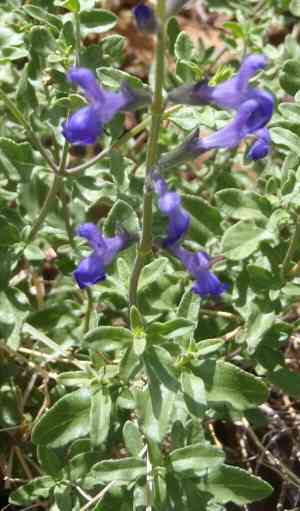
Canyon sage flourishes in permeable ground and ample sunlight, benefiting from moderate irrigation during dry spells. For propagation via seeding, utilize seeds gathered from established specimens. Sow seeds in a propagation tray filled with an appropriate growing medium, maintaining slight moisture until sprouting. Once the young plants are sufficiently strong, transfer them to garden plots. Consistently inspect for infestations and ailments to guarantee vigorous development.
When Is the Optimal Time to Propagate Canyon Sage?
Propagation Method
Seeding
Propagation Period
Spring
What Equipment Is Utilized in Canyon Sage Propagation?
Seedling Trays
Offer a controlled setting for planting seeds, enabling easy oversight and management of young sprouts.
Seed Starting Mix
A light, well-draining substrate that aids seed germination by retaining moisture without becoming waterlogged.
Humidity Dome
Establishes a microclimate with elevated humidity levels to encourage faster and more uniform germination.
Misting Bottle
Used for gently watering seeds and seedlings without dislodging or harming them, ensuring consistent moisture.
Heat Mat
Maintains a steady and ideal temperature for seed germination, crucial for successful propagation.
Seedling Heat Mat Thermostat
Regulates the heat mat's temperature to prevent overheating and guarantee optimal conditions for germination.
Plant Labels
Helps track different seed varieties and planting dates, vital for organizing and managing the propagation process.
Grow Light
Delivers sufficient light intensity and quality, especially important if natural light conditions are inadequate.
Small Trowel
Assists in transplanting young seedlings with minimal root disturbance, leading to a higher success rate in propagation.
How to Propagate Canyon Sage?
Propagation Type
Simple
How to Care for Your Newly Propagated Canyon Sage?
How to Care for Your Newly Propagated Canyon Sage?
After propagation, irrigate canyon sage regularly, particularly during dry spells. Ensure the soil drains well to prevent root rot. Provide full sun to partial shade. Prune as needed to promote bushier growth and maintain its form. Fertilize sparingly, if at all, as canyon sage thrives in the lean soil conditions typical of its native environment.
Common Errors to Avoid When Propagating Canyon Sage
Overwatering
Excessive watering can cause root rot, which is detrimental to the propagation process. Canyon sage prefers drier conditions, and too much moisture can impede root development.
Using heavy soil
Dense or poorly draining soils can lead to water accumulation around the roots. Canyon sage requires well-draining soil to flourish; otherwise, roots may suffocate and fail to establish.
Improper light conditions
Canyon sage needs adequate light for healthy development. Keeping the plant in too much shade can result in weak, elongated growth, reducing the likelihood of successful propagation.
Incorrect cutting technique
Taking cuttings that are too large or too small, or using dull tools, can harm the plant and decrease the viability of the cuttings.
Neglecting temperature requirements
Canyon sage has specific temperature needs for successful propagation. Exposing cuttings to extreme temperatures can lead to poor rooting or complete failure.
Tips For Propagating Canyon Sage
Utilize a well-draining soil mix
A blend of sand, perlite, and potting soil ensures proper drainage, reducing root rot risk and fostering healthy root development.
Water sparingly
Keep the soil only slightly moist, allowing it to dry out between waterings. This mimics canyon sage's natural habitat and helps prevent overwatering.
Provide ample light
Ensure cuttings receive plenty of indirect sunlight. If grown indoors, a south-facing window or supplementary grow lights can be beneficial.
Clean and precise cutting technique
Use sharp, sterilized tools to take cuttings approximately 4-6 inches long. Cut just below a node and remove lower leaves to encourage rooting.
Maintain optimal temperature
Keep cuttings in a warm environment, around 70-75°F (21-24°C), to encourage root development. Avoid cold drafts or direct heat sources.



