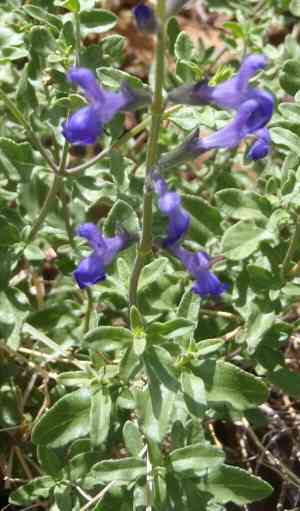
Canyon sage (Salvia lycioides)
Also known as: Canyon Sage, Blue Sage
Canyon sage (Salvia dorrii) is a robust perennial that excels in arid regions. It is characterized by its vibrant violet-blue blossoms, which bloom from eye-catching purple calyces. The plant's grey-green, narrow leaves add a unique texture, and its compact, mound-like growth form is unmistakable. Canyon sage is well-adapted to drought, thriving in dry, well-drained soils and full sunlight, demonstrating the hardy nature typical of sage species.
In This Article
Attributes of Canyon sage
Lifespan
Perennial
Plant Height
30 cm to 91 cm
Spread
50 cm
Leaf Color
Green
Flower Size
0.5 to 1 inch (1.3 to 2.5 cm)
Flower Color
Blue, occasionally violet
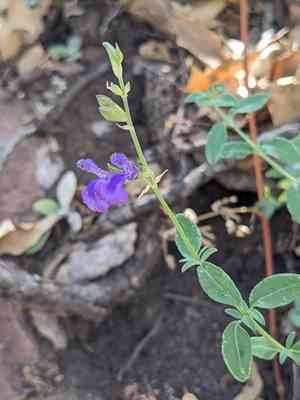
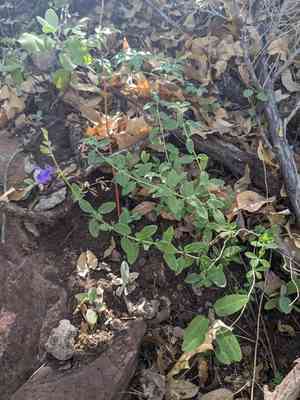
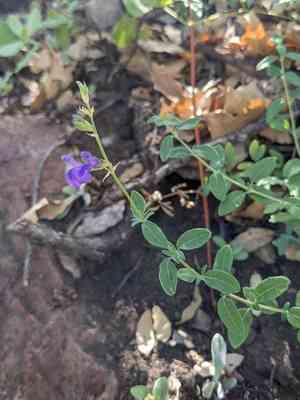
Images of Canyon sage
Quickly Identify Canyon sage
1
This plant can be identified by its slender, wiry stems and small, linear leaves with a serrated edge. The blue flowers are tubular and appear in clusters along the stems. It also has a pleasing, sage-like aroma when the leaves are crushed.
Scientific Classification of Canyon sage
Phylum
Vascular plants
Class
Dicotyledons
Order
Lamiales
Family
Mint
Genus
Sages
Species
Canyon sage
Planting and Growing of Canyon sage
Care Difficulty
Moderate
Watering Schedule
Every 2 days
Sunlight Requirements
Full sun
Sunshine Duration
4-8 hours
Ideal Temperature
65-75℉
Soil Type
Potting Mix, Peat Mix
Soil pH
6.5-7.5
Fertilizer Type
Balanced
Pruning Season
Spring, Summer
Pruning Area
Branches, Leaves
Pruning Frequency
2 times a year
Repotting Season
Spring
Pot Type
Plastic, Ceramic
 How to Water Canyon sage?
Salvia lycioides prefers moderate watering. In general, water until the soil is evenly moist but ensure that it is not waterlogged. This plant thrives in well-drained soil, so avoid letting it sit in water. It's crucial that the top inch of soil dries out before watering again to prevent overwatering.
What are the symptoms of an underwatered Canyon sage?
›
What should I do if my Canyon sage is not getting enough water?
›
What are the symptoms of an overwatered Canyon sage?
›
How to save an overwatered Canyon sage?
›
 What Are the Sunlight Requirements for Canyon sage?
For optimal growth, Salvia lycioides prefers full sun to partial sun conditions. Having adequate sun will not only improve its flowering and growth but also enhance its overall health and resistance to environmental stress.
Optimal Sun Exposure
›
Partial Sun Solution
›
Achieving Optimal Results
›
 What Is the Ideal Temperature Range for Canyon sage?
The ideal temperature range for Salvia lycioides is between 65°F and 75°F. This range ensures robust growth and optimal flowering. Maintaining consistent temperatures within this range helps the plant to develop strong root systems and lush foliage, while also promoting the best possible flowering season. Any deviation from this range can lead to slower growth or reduced flowering.
 What Soil is Best for Canyon sage?
Salvia lycioides thrives in well-drained soil, which prevents waterlogging and root rot. This characteristic supports healthy root development and enhances the plant's ability to access nutrients efficiently, vital for its vibrant growth and flower production. A nutrient-rich medium provides Salvia lycioides with essential elements for its robust foliage and vivid blooms. Rich soil ensures a steady supply of nutrients, leading to a stronger plant structure and prolonged flowering period, crucial for attracting pollinators. The presence of moderate moisture retention in the soil helps maintain the necessary hydration level without over-saturation. This balance is critical in dry climates where consistent moisture support prevents stress and encourages continuous vegetative growth.
 How to Fertilize Canyon sage?
For Salvia lycioides, the amount of fertilizer should be moderate to avoid over-nourishment or nutrient deficiency. Typically, when using a liquid fertilizer, dilute it to half the strength recommended by the manufacturer. For slow-release fertilizers, apply 1 tablespoon per square foot of soil area, ensuring it's evenly distributed.
 How to Prune Canyon sage?
Start by inspecting your Salvia lycioides for any dead or damaged stems. Use clean, sharp shears to remove these sections, cutting back to healthy growth points. This helps prevent disease and promotes a tidy appearance. Trim back about one-third of the plant's overall size to enhance air circulation and sunlight penetration. To stimulate more flowering, perform a light trim of the young shoots. Focus on cutting just above the node to encourage branching. This technique should especially be done following a blooming cycle, as it will spark new growth and a fresh batch of blooms to enjoy. Salvia lycioides can become leggy if not pruned regularly. Maintain its compact form by trimming excessively long branches to your desired shape. Ensure that each cut is clean to prevent tearing the stems, creating a well-rounded, lush plant aesthetic.
More About Pruning Techniques→
 How to Propagate Canyon sage plant?
1
Use a well-draining mixture for sowing seeds or rooting cuttings. Sterilize the soil or mix to eliminate pathogens that could harm the young plants.
2
Sprinkle the Salvia lycioides seeds evenly over the substrate. Cover lightly with soil and maintain adequate moisture to stimulate germination.
3
Cut healthy stems that are about 4-6 inches long. Remove lower leaves before planting them into the substrate, ensuring nodes are buried for rooting.
 How to Repot Canyon sage plant?
1
You should repot Salvia lycioides when you notice the roots are circling the bottom of the pot or poking out through the drainage holes. Another signal is when the plant starts to outgrow its current container, causing wilting or stunted growth. Ideally, repotting should be done during spring or autumn for optimal growth.
2
Select a pot that is slightly larger than the current one, providing enough room for root expansion. Ensure that the pot has drainage holes to prevent waterlogging, which can lead to root rot. A pot made of materials like clay or ceramic can offer stability and breathability, beneficial for healthy root growth.
3
Opt for a well-draining potting mix suitable for Salvia and other Mediterranean-origin plants. This kind of soil typically contains sand, perlite, or pumice, which ensures proper drainage and prevents water retention. A well-drained soil mix mimics the plant's natural arid habitats, promoting vigorous growth.
Learn More About Canyon sage Diseases
Anthracnose
Bacterial Leaf Spot
Bacterial Soft Rot
Bacterial Wilt
Chemical Injury
Crown Gall
Damping-off
Downy Mildew
Drought Stress
Fusarium Wilt
Gray Mold
Leaf Curl
Leaf Spot
Mosaic
Nutrient Deficiency
Nutrient Toxicity
Powdery Mildew
Root Rot
Root-knot Nematode
Rusts
Sooty Mold
Spider Mites
Temperature Stress
Thrips Damage
White Mold



